
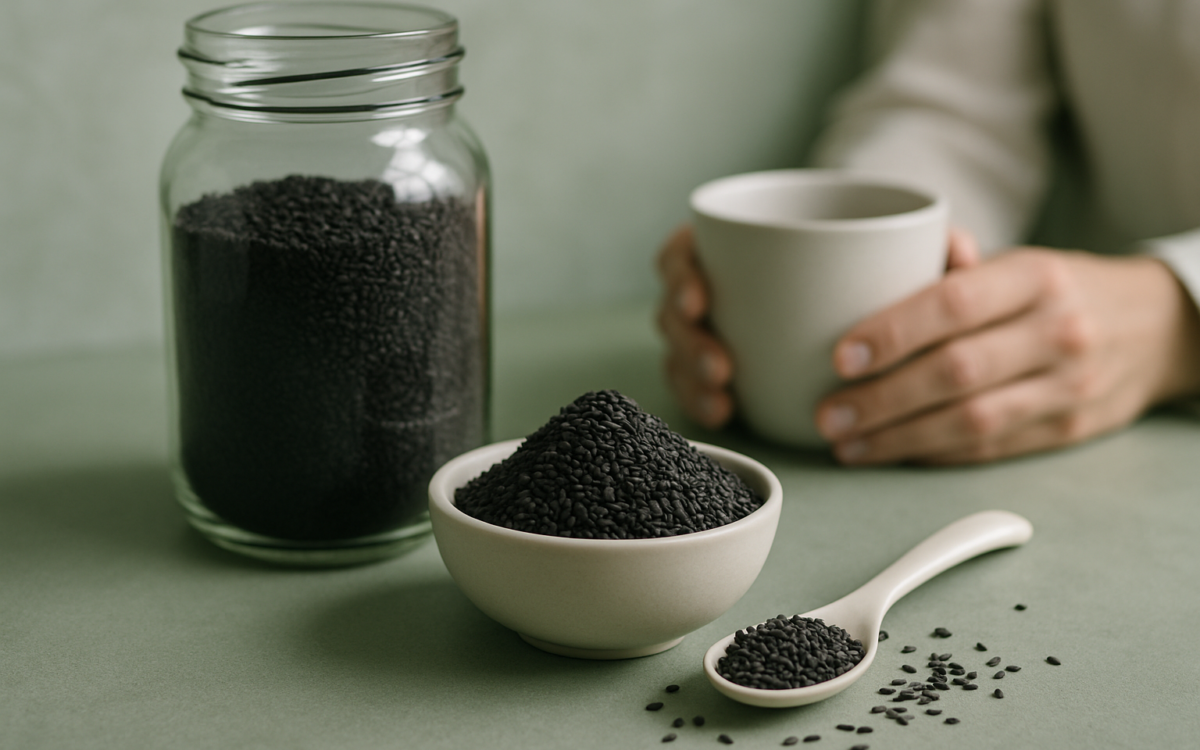
Have you ever considered adding a tiny seed to your diet that packs a punch in terms of benefits? Black sesame seeds, often overlooked, are a powerhouse of nutrition and flavor. These small, dark seeds have been used in various cuisines, especially in Asian cultures, and hold a special place in traditional medicine. Let’s dive into the fascinating world of black sesame seeds, exploring their benefits, nutritional profile, and how you can incorporate them into your daily routine.
What Are Black Sesame Seeds?
Black sesame seeds come from the Sesamum indicum plant, a flowering plant in the Pedaliaceae family. While you might be familiar with the light-colored sesame seeds, the black variety offers a distinct flavor and a slightly higher nutritional value. These seeds have a rich, nutty taste and can be used in both sweet and savory dishes.
Nutritional Profile of Black Sesame Seeds
Black sesame seeds are tiny but mighty when it comes to nutrition. Here’s what you can expect to find in just one ounce (about 28 grams) of black sesame seeds:
- Calories: 160
- Protein: 5 grams
- Fat: 14 grams (mostly healthy fats)
- Carbohydrates: 7 grams
- Fiber: 4 grams
- Calcium: 25% of your daily value
- Iron: 25% of your daily value
- Magnesium: 15% of your daily value
- Vitamins B1 (thiamine) and B6 (pyridoxine)
The seeds also contain powerful antioxidants and beneficial plant compounds, making them a great addition to a balanced diet.
Health Benefits of Black Sesame Seeds
Black sesame seeds offer numerous health benefits. Here are some of the most notable:
1. Rich in Antioxidants
Black sesame seeds are packed with antioxidants, such as sesamin and sesamolin, which can help combat oxidative stress in the body. Oxidative stress is known to contribute to various chronic diseases, including heart disease and cancer. Antioxidants play a crucial role in protecting your cells from damage and promoting overall health.
2. Supports Bone Health
Due to their high calcium content, black sesame seeds can be particularly beneficial for bone health. Calcium is essential for maintaining strong bones and preventing conditions like osteoporosis. Incorporating these seeds into your diet can be an effective way to boost your calcium intake, especially for those who are lactose intolerant or prefer plant-based sources.
3. Aids Digestion
The fiber content in black sesame seeds can help promote healthy digestion. Fiber aids in regular bowel movements and can prevent constipation. Including fiber-rich foods in your diet is an essential aspect of maintaining digestive health.
4. Promotes Healthy Skin
The oils in black sesame seeds, particularly the fatty acids, can promote skin health by keeping it hydrated and potentially providing anti-aging effects. The seeds are also used in some beauty products for their moisturizing properties.
5. Supports Heart Health
The healthy fats found in black sesame seeds can improve heart health by helping to lower cholesterol levels. Some studies suggest that the antioxidants in these seeds may also positively influence arterial health, reducing the risk of heart disease. Maintaining a balanced diet that includes sources of healthy fats, like black sesame seeds, can be part of an overall heart-healthy lifestyle.
How to Use Black Sesame Seeds
Incorporating black sesame seeds into your diet is easy and versatile. Here are some ideas:
- Sprinkle them on salads: Add a handful of black sesame seeds to fresh salads for added crunch and nutrition.
- Mix into smoothies: Blend a tablespoon of black sesame seeds into your favorite smoothie for an extra nutrient boost.
- Use in baking: Add black sesame seeds to baking recipes, such as muffins, bread, or energy bars.
- Make tahini: Blend black sesame seeds to create a delicious tahini spread, perfect for dipping or spreading on toast.
- Garnish cooked dishes: Sprinkle black sesame seeds over stir-fries, rice dishes, or soups for added texture and flavor.
Black sesame seeds can also be found in various traditional dishes like sushi, desserts, and Asian sauces, making them a delightful addition to many recipes.
When to See a Doctor
While black sesame seeds are a healthy addition to your diet, it’s essential to consult with your healthcare provider if you have specific dietary restrictions, allergies, or health conditions that might impact your ability to consume these seeds. If you experience adverse reactions after consuming them, seek medical advice promptly.
Conclusion
Black sesame seeds are more than just a flavorful addition to your meals; they offer a range of health benefits that can support your overall well-being. With their rich nutritional profile, these seeds are an excellent option for anyone looking to enhance their diet. Whether you sprinkle them on salads, mix them into smoothies, or enjoy them in traditional dishes, black sesame seeds can be a delightful and nutritious part of your daily routine. Remember to consult with your doctor or a dietitian if you have any concerns or health conditions that require dietary adjustments. Enjoy exploring the wonderful world of black sesame seeds!
