
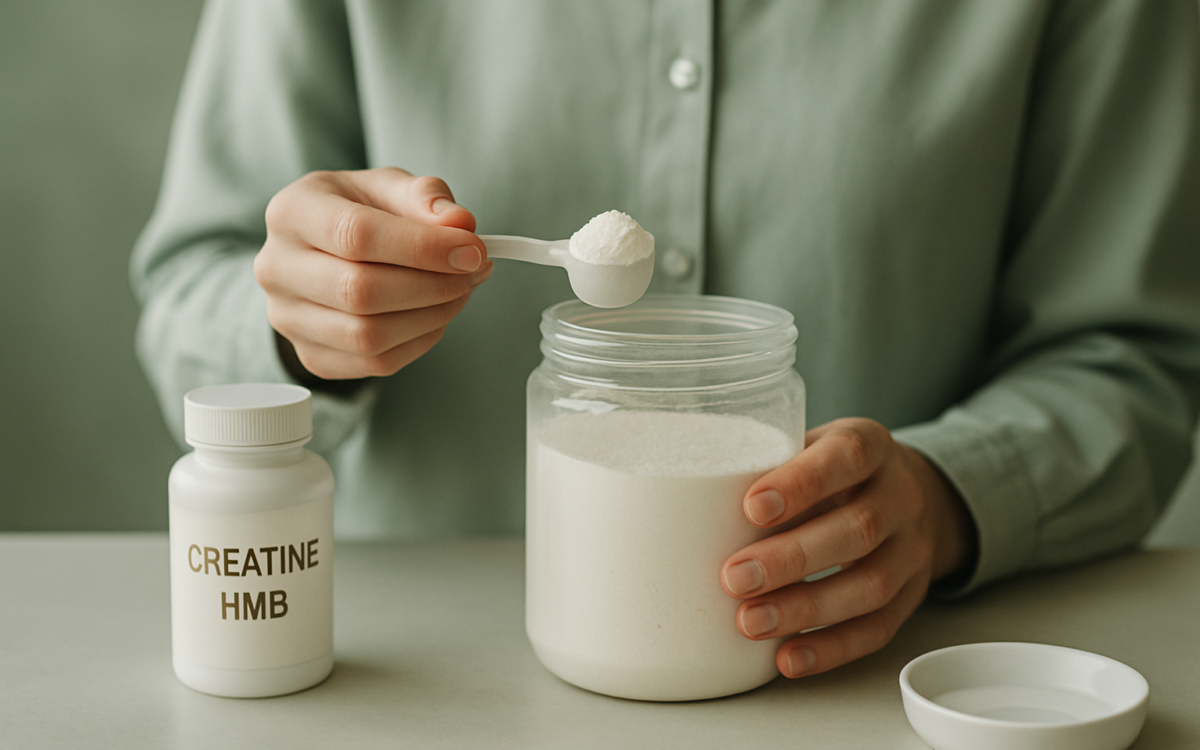
Creatine and HMB, or beta-hydroxy beta-methylbutyrate, have gained popularity in fitness circles as effective muscle support supplements. Many athletes and fitness enthusiasts are curious about how these two supplements work individually and whether they can provide even greater benefits when taken together. In this article, we’ll delve into the science behind creatine and HMB, explore their potential benefits, and help you understand how they may fit into your fitness regimen.
What is Creatine?
Creatine is a compound that’s naturally found in your muscle cells. It helps produce energy during high-intensity exercise or heavy lifting. In fact, your body makes creatine from amino acids found in foods like meat and fish. When supplemented, creatine can increase your muscles’ phosphocreatine stores, allowing you to produce more ATP (adenosine triphosphate), the key energy carrier in your cells. This often leads to improved performance during workouts and, subsequently, muscle gain.
Understanding HMB
HMB is a metabolite of the amino acid leucine, which plays a crucial role in muscle protein synthesis. HMB has gained attention for its potential to reduce muscle breakdown, aiding in recovery and improving muscle growth. Some studies have indicated that HMB supplementation may help prevent muscle loss in individuals undergoing strenuous exercise or in the elderly, thus aiding overall muscle health and function.
Combining Creatine and HMB
While both creatine and HMB can yield benefits when taken separately, their combination may provide enhanced results. Studies suggest that using both supplements could lead to improved recovery times and greater muscle gains than either substance alone. For example, a study published in the Journal of the International Society of Sports Nutrition showed that combining creatine and HMB resulted in increased muscle mass and strength in subjects engaged in resistance training.
Potential Benefits of Creatine HMB
- Improved Muscle Growth: The synergistic effects of HMB and creatine may enhance your muscle-building efforts, particularly when combined with resistance training.
- Faster Recovery: Using both supplements can help speed up recovery, potentially leading to reduced muscle soreness and quicker return to training.
- Enhanced Performance: Increased energy and reduced muscle breakdown can lead to better overall performance in the gym or during sports.
- Support for Aging Populations: Both creatine and HMB may help combat muscle loss associated with aging, enhancing physical performance and quality of life in older adults.
Are There Any Risks?
Like any supplement, creatine and HMB come with some potential side effects. Creatine may lead to water retention, digestive issues, or muscle cramps in some individuals, especially if taken without adequate hydration. On the other hand, HMB is generally considered safe but might cause minor gastrointestinal discomfort in some cases. Always consult with a healthcare professional before making any changes to your supplement routine, particularly if you have underlying health conditions or are on medications.
Incorporating Creatine HMB into Your Routine
If you decide to try creatine HMB, it’s essential to approach it systematically. Many find success by starting with creatine monohydrate, the most researched and effective form of creatine. You might also select a quality HMB supplement that’s free from fillers and poorly absorbed forms. Remember to follow the recommended dosages and ensure you’re staying hydrated, especially during exercise.
Creating a Balanced Diet
While creatine and HMB can be beneficial, they should complement a balanced diet that includes a variety of nutrients. Aim to consume adequate protein, healthy fats, and carbohydrates to support your body’s overall health and fitness goals. Foods rich in natural sources of creatine, such as red meat and fish, can also be a valuable addition to your meals.
When to See a Doctor
If you’re considering adding creatine or HMB to your routine, it’s always best to consult a doctor or a registered dietitian. This is especially true if you have any pre-existing health conditions, are pregnant or breastfeeding, or are taking medications. A healthcare professional can help you make a decision based on your individual health needs and goals.
Conclusion
Creatine and HMB have been shown to offer impressive benefits for muscle health, particularly when used in conjunction with a good exercise program. Although both have individual merits, combining them may amplify their positive impact. As with any supplement, being informed and cautious is key. Incorporating these compounds with a healthy diet and lifestyle can drive you toward your fitness goals while ensuring you do so safely and effectively.
