
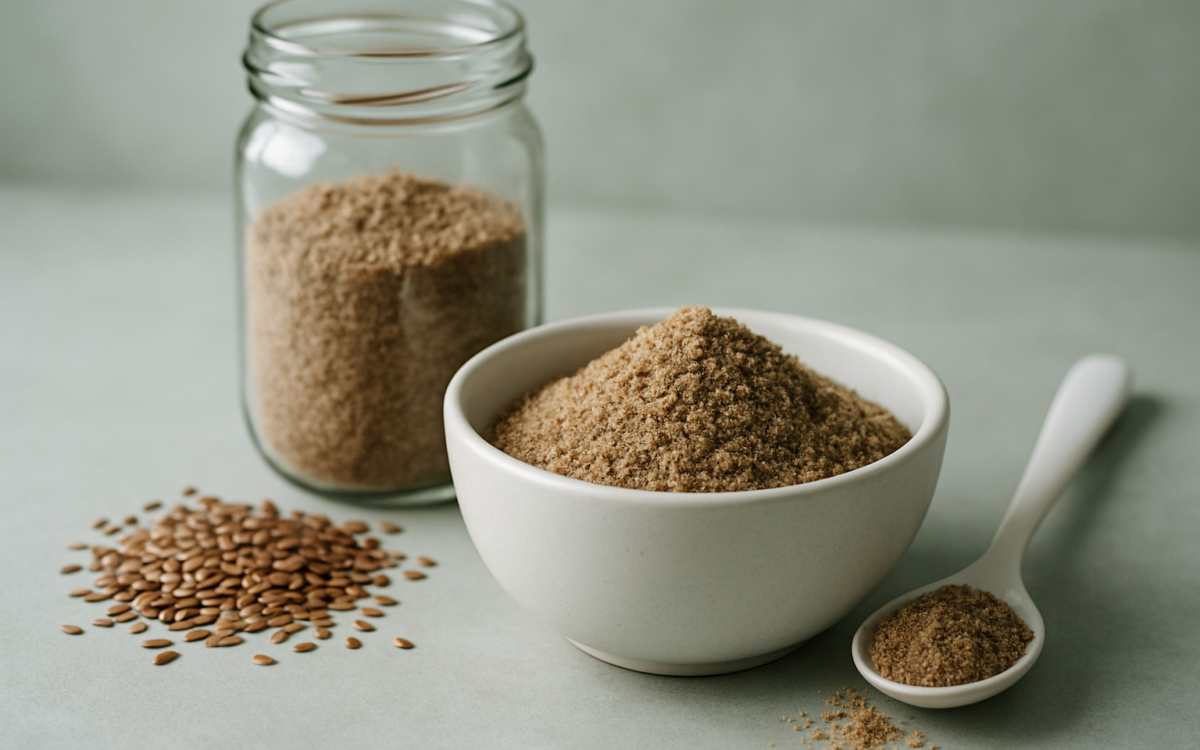
If you’re looking for a nutritious addition to your meals, ground flax seed should be on your radar. This tiny seed packs a powerful punch when it comes to health benefits, offering a wealth of nutrients and versatility in cooking. Whether you sprinkle it on your morning oatmeal or mix it into smoothie, ground flax seed can easily enhance your diet. Let’s explore its benefits, nutritional profile, and some creative ways to include it in your meals.
What is Ground Flax Seed?
Flax seed comes from the flax plant, Linum usitatissimum, and has been cultivated for thousands of years. It is rich in omega-3 fatty acids, fiber, and lignans, which are compounds that have antioxidant properties. While you can consume whole flax seeds, grinding them allows your body to absorb their nutrients more effectively. This is because whole seeds can pass through the digestive system undigested.
Health Benefits of Ground Flax Seed
Ground flax seed has a number of health benefits that make it a valuable addition to your diet.
Rich in Omega-3 Fatty Acids
Flax seed is one of the best plant-based sources of omega-3 fatty acids, particularly alpha-linolenic acid (ALA). Omega-3s have been linked to heart health as they may reduce inflammation and lower the risk of heart disease. According to studies, including omega-3s in your diet can positively impact cardiovascular health (National Institutes of Health).
High Fiber Content
This tiny seed is also packed with dietary fiber. Just two tablespoons of ground flax seed contain about 4 grams of fiber, which can help improve digestive health, regulate blood sugar levels, and promote a feeling of fullness. High-fiber diets are associated with a lower risk of developing chronic diseases, including type 2 diabetes and certain types of cancer.
Source of Antioxidants
Ground flax seed also contains lignans, which have antioxidant properties. These compounds can help combat oxidative stress in the body, potentially lowering the risk of chronic illnesses like cancer and heart disease. Fun fact: flax seeds contain more lignans than any other plant food!
Nutritional Profile of Ground Flax Seed
Understanding the nutritional profile of ground flax seed can help you appreciate why it’s beneficial.
- Calories: Approximately 37 calories per tablespoon.
- Fiber: About 2 grams per tablespoon.
- Fat: Contains healthy fats, including omega-3 fatty acids.
- Protein: About 1.3 grams per tablespoon.
- Vitamins and Minerals: Rich in magnesium, phosphorus, and B vitamins.
Including ground flax seed in your diet adds a varied range of nutrients essential for good health.
How to Add Ground Flax Seed to Your Diet
Incorporating ground flax seed into your meals is easier than you might think. Here are some ideas:
- In Smoothies: Blend them into your fruit smoothies for added nutrition.
- Baking: Substitute a small amount of flax seed for some flour in recipes for muffins, pancakes, or bread.
- Oatmeal or Yogurt: Stir them into your morning oatmeal or yogurt for a fiber boost.
- Salads and Dressings: Sprinkle on top of salads or mix into salad dressings.
Keep in mind that you should store ground flax seed in an airtight container in a cool, dark place to prevent it from going rancid.
Potential Side Effects and Considerations
While ground flax seed is generally safe for most people, it’s important to consume it in moderation. Too much flax seed can lead to digestive issues like bloating or gas due to its high fiber content. It’s also crucial to drink plenty of water when increasing fiber intake. Additionally, people on hormone-related medications should consult their healthcare provider, as flax seeds may influence hormone levels.
If you are pregnant or nursing, it’s best to discuss with your doctor how to include flax seeds in your diet safely.
When to See a Doctor
If you experience persistent digestive issues, discomfort, or other health concerns after adding ground flax seed to your diet, it is advisable to consult your healthcare provider. They can help you determine if your symptoms are related to flax seed or if there’s another underlying issue.
Conclusion
Ground flax seed is a simple yet powerful addition to your diet that can provide numerous health benefits. From its rich omega-3 content to its high fiber levels and antioxidant properties, it’s a versatile food that can support overall health. Whether you add it to smoothies, baked goods, or salads, grounding flax seed can nourish your body and enhance your meals. Remember to consult your doctor, especially if you have specific health conditions or concerns.
