
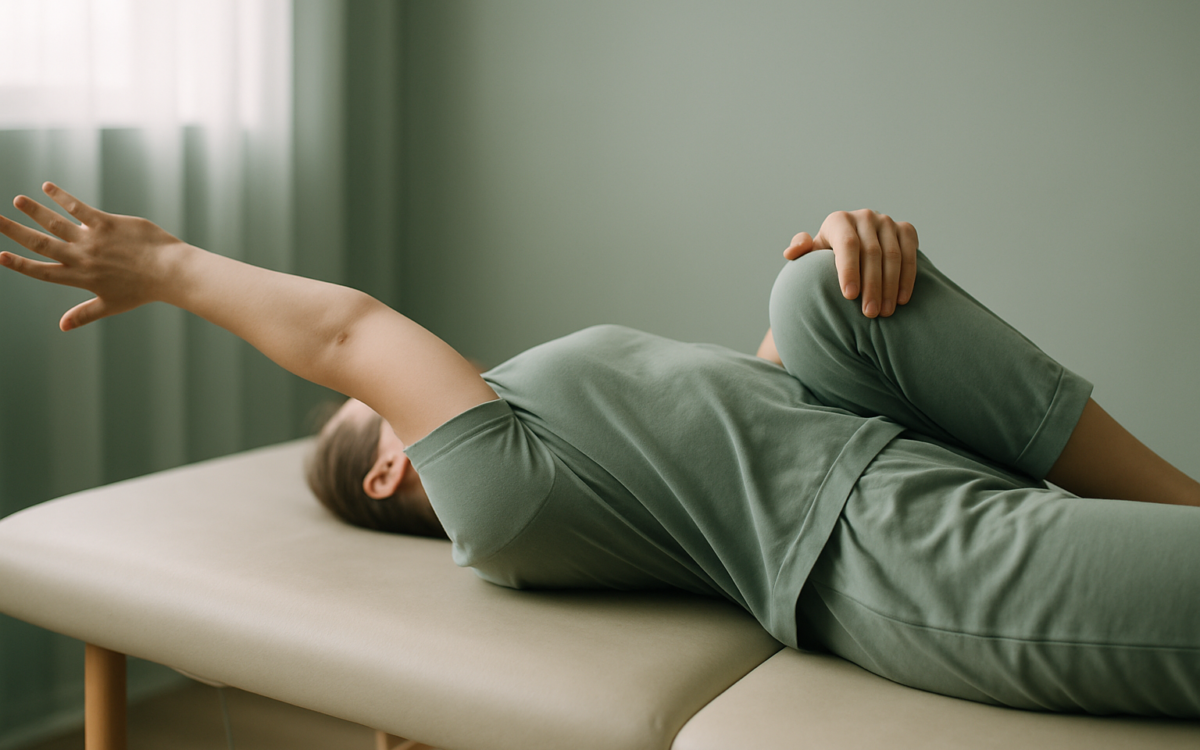
Stretching is an essential aspect of fitness that promotes flexibility, improves range of motion, and aids in recovery. While most of us are familiar with vertical stretching techniques—like reaching for the sky or bending over to touch our toes—horizontal stretching offers unique benefits that are often overlooked. This article delves into the importance of horizontal stretching, various techniques, and how it can enhance your overall well-being.
Understanding Horizontal Stretching
Horizontal stretching involves movements where the body stretches side-to-side rather than up and down. This stretching engages different muscle groups that may not be as activated during traditional vertical stretches. Techniques such as the side bend and the seated straddle can effectively improve flexibility and reduce muscle tension.
Benefits of Horizontal Stretching
Incorporating horizontal stretching into your routine can provide numerous benefits, including:
- Improved Flexibility: Horizontal stretches allow for a wider range of motion in the hips, spine, and shoulders, enhancing overall flexibility.
- Muscle Recovery: Stretching can help reduce muscle soreness after workouts by promoting blood flow and releasing tension in the muscles.
- Better Posture: Regular horizontal stretching can help counteract the effects of sitting too long, improving posture and reducing back pain.
- Stress Relief: Like other forms of stretching, horizontal stretching promotes relaxation and reduces stress levels.
Effective Horizontal Stretching Techniques
Here are a few effective horizontal stretching techniques you can incorporate into your routine:
Side Bend Stretch
Stand with your feet shoulder-width apart. Reach your right arm overhead and lean to the left, holding the stretch for 15-30 seconds. Repeat on the opposite side. This stretch targets the obliques and helps open up the sides of your torso.
Seated Forward Bend
Sit on the floor with your legs extended in front of you. Inhale, lengthening your spine, then exhale and reach forward towards your toes. This stretch not only elongates the spine but also stretches the hamstrings and lower back.
Standing Side Lunge
Begin with your feet together. Step your right foot out to the side and bend your right knee, with your left leg staying straight. Shift your weight towards your right side to feel a stretch in your inner thigh. Hold, then switch sides. This stretch enhances inner thigh flexibility.
Torso Twist
Sit with your legs crossed. Place your right hand on your left knee and twist your torso gently to the left, using the hand to deepen the stretch. Hold for several breaths, then switch sides. This movement is excellent for spinal rotation and flexibility.
Incorporating Horizontal Stretching into Your Routine
To reap the benefits of horizontal stretching, consider the following tips:
- Warm-Up First: Always start with a light warm-up to prepare your muscles for stretching.
- Consistency is Key: Aim to stretch a few times a week for optimal results. You can easily incorporate these stretches into your existing routine.
- Listen to Your Body: Never force a stretch. If you feel pain, ease off. Stretching should feel good and should not be uncomfortable.
- Pair with Strength Training: Combining horizontal stretching with strength training can enhance your overall strength and flexibility.
Common Myths about Stretching
Despite the evident benefits, multiple myths surround stretching that can hinder your practice:
- Myth 1: You should stretch before every workout. While stretching is beneficial, it’s best done after a warm-up or workout when your muscles are warm.
- Myth 2: Stretching is only for athletes. Everyone can benefit from stretching, as it enhances mobility, boosts circulation, and provides a sense of relaxation.
- Myth 3: More stretching equates to better flexibility. Quality matters over quantity; focus on proper technique.
When to See a Doctor
If you experience sharp pain while stretching, persistent discomfort, or if you have significant mobility issues, it’s wise to consult a healthcare professional. They can provide personalized advice based on your specific condition. Checking in with your doctor before starting a new stretching routine is always a good option, especially if you have pre-existing health conditions or injuries, as recommended by Mayo Clinic.
Conclusion
Horizontal stretching is a valuable addition to any fitness routine, helping improve flexibility, enhance muscle recovery, and promote overall well-being. By incorporating these techniques safely and consistently, you can unlock a wealth of physical benefits while nurturing a deeper connection with your body. Whether you are a seasoned athlete or just getting started, horizontal stretching can help set the stage for a healthier, more active lifestyle.
