
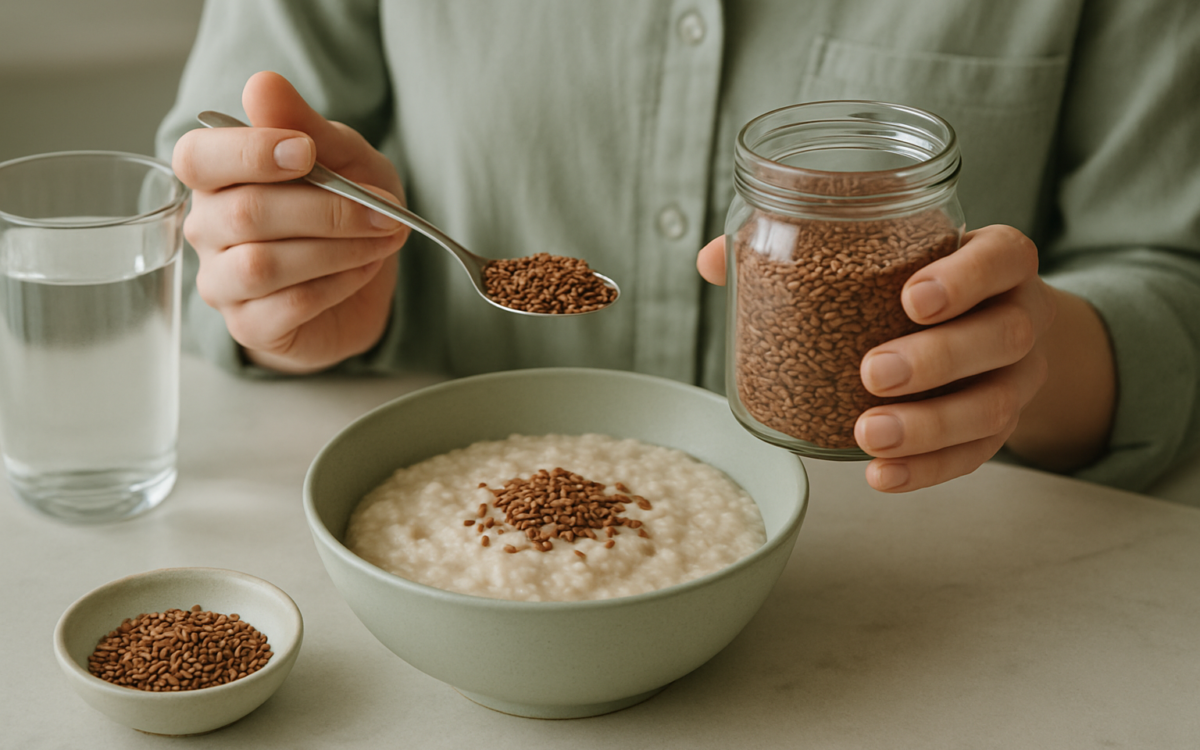
If you’re looking for a nutritious addition to your diet, linseed, also known as flaxseed, is a great choice. With its nutty flavor and a host of health benefits, linseed can easily make its way into your meals and snacks. In this article, we’ll explore the best ways to eat linseed, how it can boost your health, and some delicious recipes to try.
What is linseed?
Linseed comes from the seeds of the flax plant. It is one of the oldest cultivated crops in human history, used for thousands of years for its nutritional properties. Rich in omega-3 fatty acids, fiber, and lignans, linseed has gained popularity in recent years as people look for ways to improve their diets and promote overall health.
How to prepare linseed
There are several forms of linseed available, including whole seeds, ground flaxseed, and flaxseed oil. Each form has its own benefits:
- Whole seeds: They have a longer shelf life but can be harder for your body to digest.
- Ground flaxseed: Grinding the seeds makes their nutrients easier for your body to absorb. You can grind them in a coffee grinder or buy pre-ground flaxseed.
- Flaxseed oil: This is a good source of omega-3 fatty acids but lacks fiber and lignans.
Simple ways to add linseed to your meals
Adding linseed to your diet can be easy and delicious. Here are some simple ideas:
1. In smoothies
Blend a tablespoon of ground flaxseed into your morning smoothie. It adds a nutty flavor and thickens your drink while giving you a nutrition boost.
2. On yogurt or oatmeal
Sprinkle whole or ground flaxseed on your yogurt or oatmeal for added texture and nutrition. It pairs well with fruits and honey.
3. In baking
Substitute some of the flour in your baking recipes with ground flaxseed. This works well in muffins, pancakes, and cookies, enhancing the flavor and nutritional value.
4. As an egg substitute
If you’re vegan or looking for a way to cut down on eggs, you can mix one tablespoon of ground flaxseed with three tablespoons of water. Let it sit for about 10 minutes until it becomes gel-like, and then use it as an egg replacement in baking.
5. In salads
Add whole linseeds to your salad for a crunchy topping. They can complement a variety of salad ingredients and dressings.
The health benefits of linseed
Linseed is not just a nutritious addition; it also offers several health benefits:
- Heart health: Linseed is high in omega-3 fatty acids, which can help lower bad cholesterol and support heart health ([Mayo Clinic](https://www.mayoclinic.org)).
- Digestive health: The fiber content in linseed promotes healthy digestion and regular bowel movements.
- Hormonal balance: Lignans in linseed can have antioxidant properties and may help balance hormones in the body.
International perspective on linseed consumption
Many cultures around the world have included linseed in their diets for its health benefits. Interestingly, countries like Turkey are known for their use of flaxseed in traditional dishes. If you’re interested in exploring health treatments in Turkey, you’ll find that linseed is often included in many health-focused regimens due to its nutritional reputation.
Potential side effects and considerations
Although linseed is nutritious, it’s important to consume it properly. Here are a few considerations:
- Hydration: When eating linseed, make sure to drink plenty of water. The fiber can absorb water and may lead to digestive issues if not hydrated adequately.
- Moderation: Too much linseed can upset your stomach or lead to excessive fiber intake. Stick to about one to two tablespoons per day.
- Consulting your doctor: Before adding linseed, particularly flaxseed oil, to your routine, consult with a healthcare provider, especially if you’re on medication or have health issues.
When to see a doctor
If you experience digestive issues after consuming linseed, or if you have concerns about its interactions with medications, it’s important to speak with a healthcare professional. They can provide guidance on the best ways to include linseed in your diet without adverse effects.
In conclusion, linseed is an easily adaptable food that can enhance your meals while supporting your health. With its myriad of benefits and a variety of ways to enjoy it, integrating linseed into your diet can be a delicious step towards better nutrition.
