
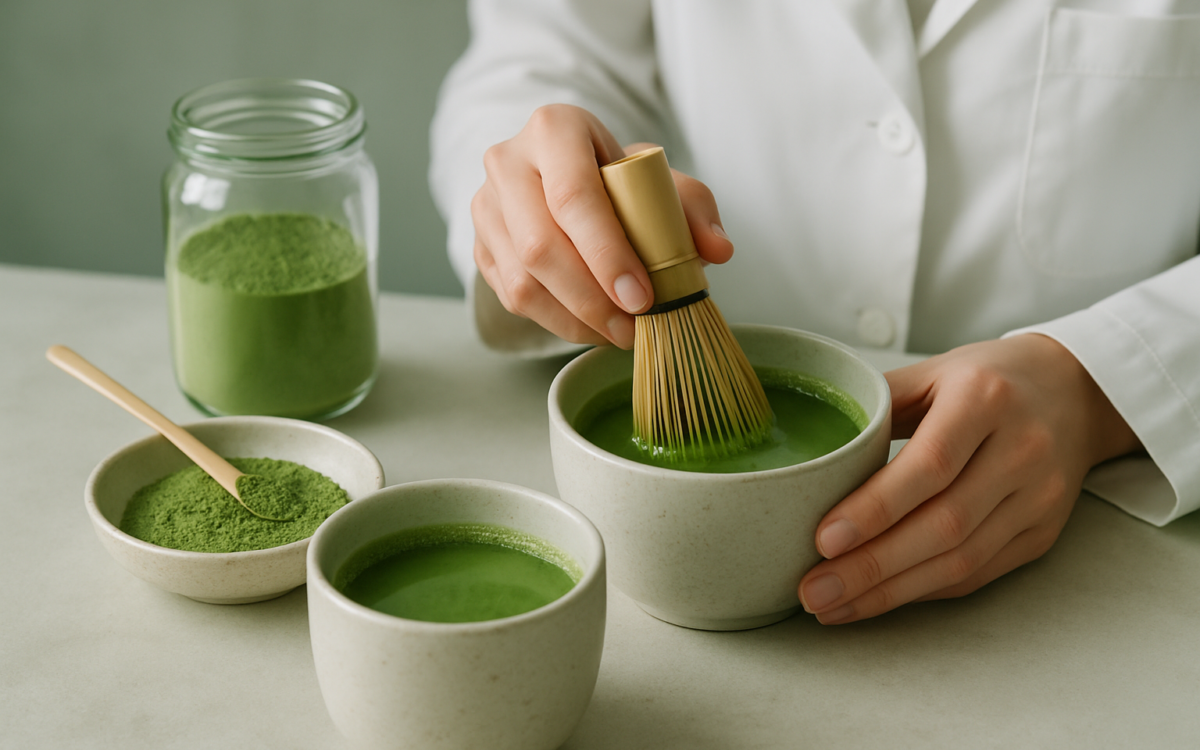
Imagine sipping a vibrant green drink that not only tastes great but also packs a powerhouse of health benefits. Welcome to the world of matcha tea, a finely ground powdered green tea that has captured the hearts of tea lovers and health enthusiasts alike. Beyond its unique flavor and stunning appearance, matcha offers a range of potential health advantages that make it a popular choice for those seeking a nutritional boost.
What is Matcha Tea?
Matcha tea is made from specially grown green tea leaves, which are shaded from sunlight for several weeks before harvest. This unique growing process boosts the leaf’s chlorophyll and amino acid content, producing a bright green color and a distinctive flavor profile. After the leaves are harvested, they are steamed, dried, and ground into a fine powder. Unlike regular green tea, where leaves are steeped and discarded, matcha involves consuming the entire leaf, which maximizes its health benefits.
The Nutritional Powerhouse of Matcha
One of the standout features of matcha tea is its impressive nutritional profile. Just one cup of matcha can be rich in:
- Antioxidants: Matcha is packed with catechins, a type of antioxidant found in green tea. These compounds can help protect your cells from damage caused by free radicals, potentially reducing the risk of chronic diseases. Research suggests that these antioxidants can benefit heart health and may have cancer-fighting properties (source: NIH).
- Amino Acids: Matcha is notably high in L-theanine, an amino acid that promotes relaxation without drowsiness. This calming effect could help reduce stress and enhance focus, making matcha an ideal choice for those needing a mental boost.
- Vitamins and Minerals: Matcha contains a range of essential nutrients, including vitamin C, potassium, and iron, which are vital for overall health and well-being.
Potential Health Benefits of Matcha Tea
Matcha tea not only offers a delightful taste but also brings a range of potential health benefits:
Boosting Mental Clarity and Focus
The combination of caffeine and L-theanine in matcha tea can lead to improved focus and cognitive performance. Unlike the jitteriness associated with coffee, the synergy of caffeine and L-theanine offers a more stable and prolonged energy boost, making matcha a great choice for studying or creative work!
Support for Weight Management
Some studies suggest that the catechins in matcha may help boost metabolism and support weight loss efforts. By increasing fat oxidation and enhancing thermogenesis (the body’s calorie-burning process), matcha may be a useful companion in a balanced weight management plan.
Heart Health
Regular consumption of green tea, including matcha, has been linked to improved heart health. Research indicates that matcha can help lower cholesterol levels and reduce blood pressure (source: Cleveland Clinic), contributing to a healthier cardiovascular system.
Promoting Skin Health
Topical applications of matcha, as well as consuming it, may benefit your skin. The antioxidants in matcha can help combat skin aging and damage caused by sun exposure, supporting overall skin vitality.
How to Prepare and Enjoy Matcha Tea
Preparing matcha is both an art and a science. Here’s a simple way to make a traditional cup of matcha:
- Start with high-quality matcha powder. Look for vibrant green powders without additives.
- Heat fresh water to about 175°F (80°C); boiling water can scorch the matcha.
- In a bowl, sift 1-2 teaspoons of matcha to remove clumps.
- Add a small amount of hot water (about 2 ounces) and whisk briskly in a W-shaped motion with a bamboo whisk (chasen) or a modern frother until frothy.
- Gradually add more hot water to taste (about 6-8 ounces total) and enjoy!
Matcha can also be added to smoothies, baked goods, or even used in savory dishes for a unique twist.
Choosing and Storing Matcha
When selecting matcha, opt for high-quality brands that are vibrant in color. Lower-quality matcha may have a dull color and less flavor. Ideally, look for matcha labeled as ceremonial grade for the best taste experience.
Store matcha in an airtight container in a cool, dark place to preserve its freshness and flavor. Avoid exposure to light, heat, and air, as these can degrade the quality over time.
When to See a Doctor
If you experience any adverse effects after consuming matcha, such as headaches, digestive issues, or increased heart rate, it’s wise to consult with a healthcare professional. Additionally, if you have specific health conditions or are pregnant, discussing your matcha consumption with a doctor is recommended.
Conclusion
Matcha tea is not just a trendy beverage; it’s a nutrient-packed superfood that can contribute to your overall health and well-being. With its unique flavor, versatility in preparation, and a host of potential benefits, it makes an enticing addition to any diet. So why not give matcha a try? Brew a cup today and savor the delightful experience!
