
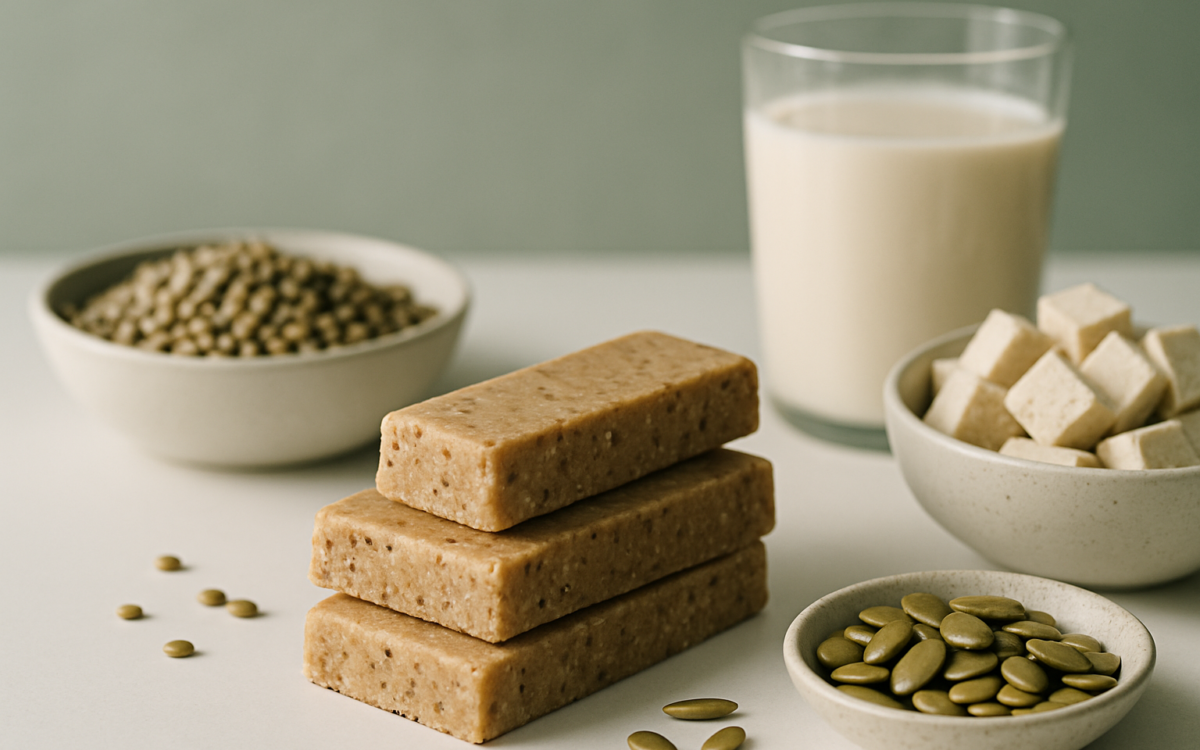
In recent years, plant-based protein bars have surged in popularity, becoming a staple for many health-conscious individuals. Whether you’re an athlete, a busy professional, or simply someone looking for a nutritious snack, these bars offer a portable and convenient source of protein. But what makes plant-based protein bars stand out? In this article, we’ll explore their benefits, key ingredients, variations, and how to choose the right bar for your needs.
What Are Plant-Based Protein Bars?
Plant-based protein bars are snack bars made primarily from plant ingredients, providing protein from sources like peas, soy, nuts, seeds, and sometimes grains. Unlike traditional protein bars that might contain whey or casein (dairy-based proteins), plant-based options are suitable for vegans and those who are lactose intolerant.
Health Benefits of Plant-Based Protein Bars
There are several compelling reasons to incorporate plant-based protein bars into your diet:
- Protein for Muscle Maintenance: Protein is essential for building and repairing muscles. Plant-based protein sources can effectively provide the necessary amino acids for recovery, especially after workouts.
- Rich in Fiber: Many plant-based bars contain fiber, which aids in digestion and contributes to feelings of fullness. Fiber is important for maintaining a healthy gut and can help regulate blood sugar levels.
- Vitamins and Minerals: Plant-based bars often contain a variety of vitamins and minerals from their natural ingredients. This can help support your overall health and boost your immune system.
- Lower in Sugar: Many plant-based bars are formulated with natural sweeteners or contain less sugar than traditional protein bars, offering a healthier snack option.
Common Ingredients Found in Plant-Based Protein Bars
Understanding what goes into your plant-based protein bar can help you make informed choices. Here are some typical ingredients:
- Pea Protein: A popular protein source that is rich in essential amino acids.
- Brown Rice Protein: Another common ingredient, this protein is easily digestible and complements the amino acid profile of pea protein.
- Nuts and Seeds: Almonds, walnuts, chia seeds, and flaxseeds not only add protein but also provide healthy fats and fiber.
- Oats: Often included for texture and sustained energy, oats are a great source of carbohydrates and fiber.
- Dried Fruits: These might add sweetness and flavor, offering additional nutrients and antioxidants.
Choosing the Right Plant-Based Protein Bar
With so many options on the market, how do you select the right plant-based protein bar for your needs? Here are some tips:
- Read the Label: Look for bars with at least 10 grams of protein per bar and minimal added sugars. Pay attention to the ingredient list and avoid bars with long lists of artificial additives.
- Check for Allergens: If you have allergies or sensitivities, be cautious of common ingredients like nuts, soy, or gluten.
- Consider Your Goals: If you’re using the bar as a meal replacement, choose one that is higher in calories and contains a good balance of protein, fats, and carbs.
- Flavor and Texture: Personal preference plays a big role. Try different flavors or brands to find what you enjoy.
Incorporating Plant-Based Protein Bars into Your Diet
Plant-based protein bars can seamlessly fit into various parts of your diet:
- Pre- or Post-Workout: Bars make excellent quick snacks to fuel you before a workout or aid in recovery afterward.
- Meal Replacement: When on the go, a bar can serve as a meal replacement, particularly if it contains healthy fats and fiber.
- Midday Snack: Keep a bar handy in your bag or desk for a healthy snack option in the afternoon.
- Travel Companion: Protein bars are easy to pack, making them a convenient option for travel or busy days.
Potential Downsides and Considerations
While plant-based protein bars have many benefits, there are some downsides to keep in mind:
- Not All are Created Equal: Some bars could be more like candy than a healthy snack, with high sugar content and low nutritional value.
- Digestive Issues: Some individuals may experience digestive discomfort from certain ingredients, particularly those high in fiber or sugar alcohols.
- Cost: Quality plant-based bars can be pricier than other snacks, which may not fit every budget.
When to See a Doctor
If you experience persistent digestive issues or allergic reactions after consuming protein bars, it’s advisable to consult your healthcare provider. It’s also a good idea to discuss your dietary needs with a professional, especially if you plan to make significant changes to your meal plan.
In conclusion, plant-based protein bars offer a convenient, nutritious snack alternative that can support a variety of dietary needs. By understanding their benefits, ingredients, and how to choose the right one, you can enjoy a tasty and healthful addition to your diet. Embrace the power of plants for a healthier lifestyle!
