
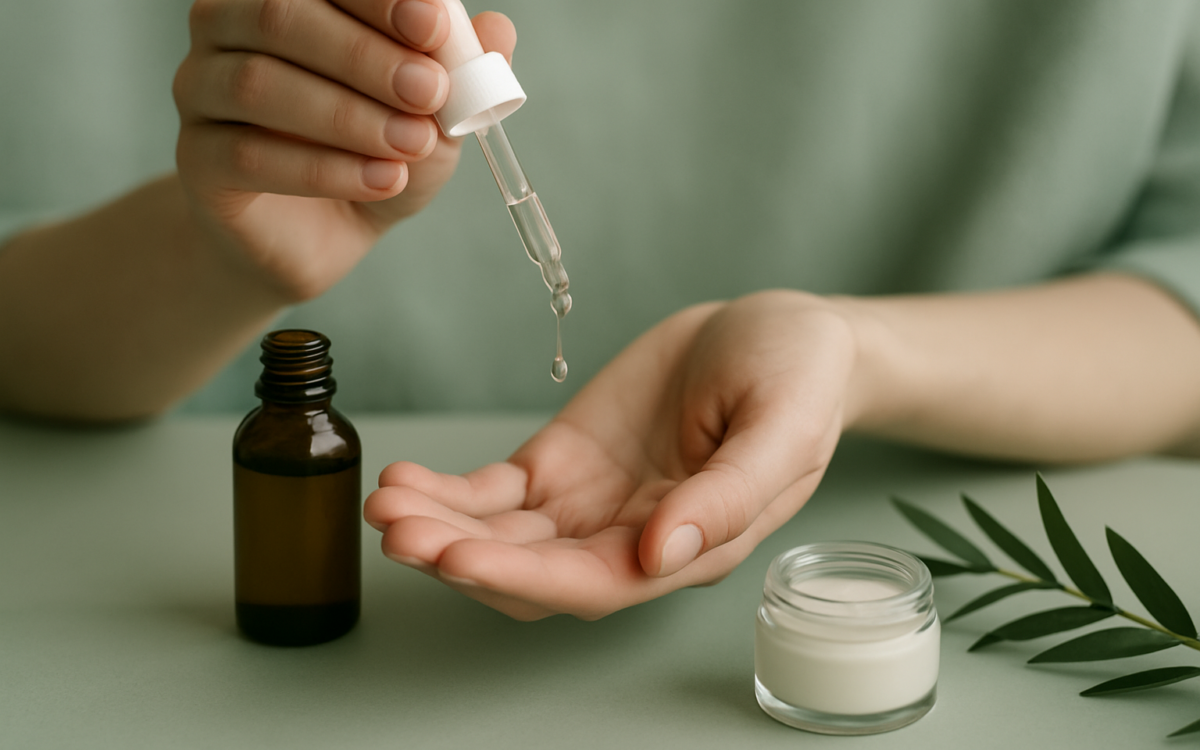
Tea tree oil, derived from the leaves of the Melaleuca alternifolia tree native to Australia, has gained popularity for its potential skin benefits. Known for its antibacterial, antifungal, and anti-inflammatory properties, this essential oil is a go-to for many seeking natural remedies for various skin concerns. Let’s dive into how tea tree oil can improve your skin health, its applications, proper usage, and safety considerations.
What Is Tea Tree Oil?
Tea tree oil is an essential oil extracted through steam distillation from the leaves of the tea tree. Its medicinal uses date back centuries to Indigenous Australians, who applied the oil for wound healing and skin infections. Modern research supports many of its traditional uses, and today, tea tree oil is often found in skincare products, home remedies, and natural medicine.
Benefits of Tea Tree Oil for Skin
Many people turn to tea tree oil for its reputed skin benefits. Here are some key areas where it may help:
- Acne Treatment: Studies show that tea tree oil can reduce acne lesions and is comparable to benzoyl peroxide, a common acne treatment. It works by reducing inflammation and killing bacteria that contribute to breakouts. A diluted concentrate can be applied directly to affected areas.
- Antifungal Properties: Tea tree oil can be effective against fungal infections like athlete’s foot and nail fungus. Its antifungal properties help eliminate the fungi responsible for these conditions.
- Soothing Insect Bites: Applying tea tree oil to insect bites may relieve itching and reduce swelling thanks to its anti-inflammatory effects. It can be mixed with a carrier oil to minimize skin irritation.
- Wound Healing: The oil’s antibacterial properties may benefit minor cuts and abrasions by keeping them clean and preventing infections. It can also promote faster healing when applied appropriately.
- Psoriasis and Eczema Management: Some studies suggest that tea tree oil may help alleviate symptoms of skin conditions like psoriasis and eczema, providing relief from itching and redness.
How to Use Tea Tree Oil Safely
While tea tree oil offers various benefits, it is crucial to use it safely to avoid skin irritation or allergic reactions. Here are some tips for proper usage:
- Always Dilute: Pure tea tree oil is potent and should never be applied directly to the skin without dilution. Mix a few drops with a carrier oil, such as coconut or jojoba oil, before applying.
- Conduct a Patch Test: Before widespread use, perform a patch test on a small area of skin to check for any adverse reactions. Wait 24 hours to see if any irritation occurs.
- Use Sparingly: Start with a small amount. Overuse can lead to skin irritation rather than benefits.
- Consider Your Skin Type: Those with sensitive skin should exercise caution when using tea tree oil, as it may cause irritation. Consult with a healthcare provider if you have concerns.
Potential Side Effects
Although tea tree oil is generally considered safe for topical use, it’s essential to remain aware of possible side effects, including:
- Skin irritation or allergic reactions in some individuals, especially those with sensitive skin.
- Dryness or peeling of the skin.
- Rarely, tea tree oil may cause hormonal effects; thus, caution is advised when using it.
If you experience any discomfort after applying tea tree oil, discontinue use and consult a healthcare provider for further guidance.
Tea Tree Oil in Commercial Products
You can find tea tree oil in a variety of commercial products, including:
- Face Washes: Many face washes for acne-prone skin contain tea tree oil for its antibacterial benefits.
- Lotions and Creams: Moisturizers often include tea tree oil for its calming, anti-inflammatory properties.
- Ointments: Formulated for treating fungal infections or wound care, these products often leverage tea tree oil’s antifungal qualities.
Always check the product label to ensure the tea tree oil is a key ingredient and that the product is suitable for your skin type.
When to See a Doctor
If you have persistent skin issues, such as severe acne, suspected skin infections, or if you experience adverse reactions from using tea tree oil, it is important to consult a healthcare provider. They can offer guidance tailored to your specific situation.
Wrapping Up
Tea tree oil can be a beneficial addition to your skincare routine if used properly. With its historical and scientific backing for treating various skin conditions, it’s no wonder this essential oil has garnered attention. However, always prioritize safety by diluting properly, conducting patch tests, and consulting a healthcare professional as needed. Explore tea tree oil’s potential for your skin, but keep in mind that each individual’s response may vary. For further information, refer to reputable sources such as the NIH or Mayo Clinic.
