
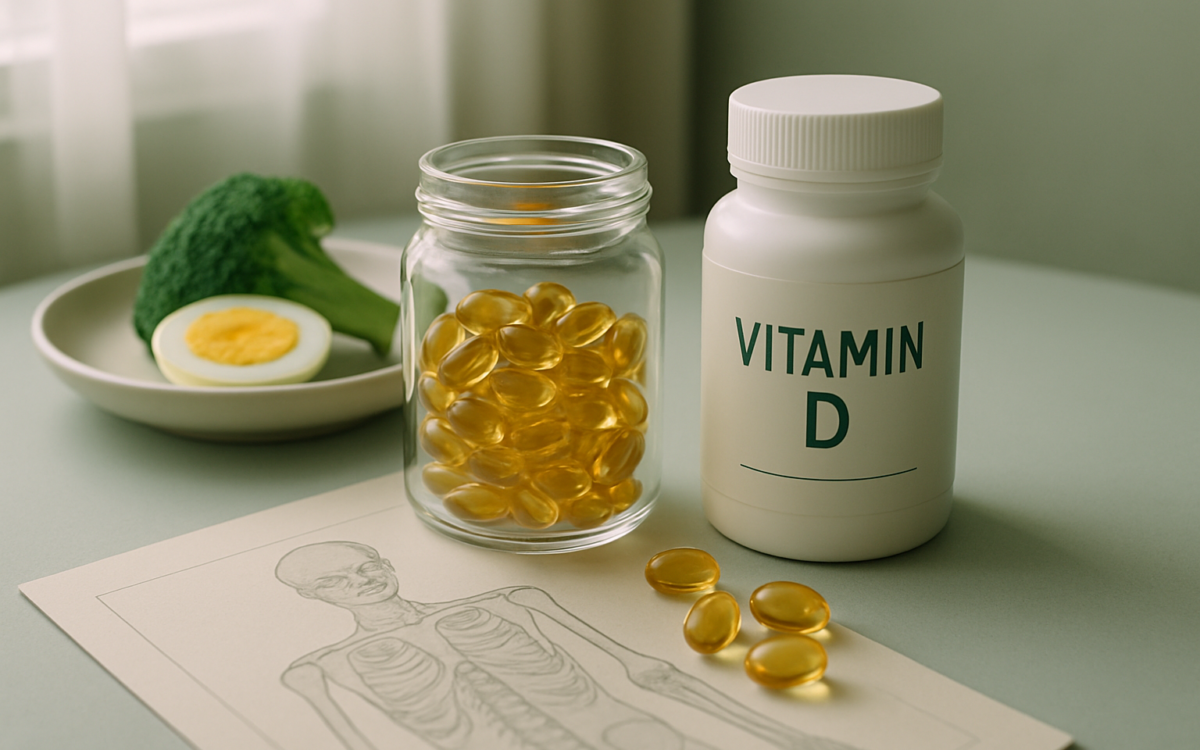
Vitamin D is often called the sunshine vitamin because our bodies produce it when exposed to sunlight. However, many people may not realize that this fat-soluble vitamin plays a vital role in overall health. From supporting bone strength to enhancing mood and immune function, vitamin D is essential for numerous bodily processes. In this article, we’ll explore what vitamin D is good for and how to ensure you’re getting enough of it.
Why is Vitamin D Important?
Vitamin D is crucial for maintaining the health of our bones. It helps our bodies absorb calcium, a key mineral in bone formation. Without enough vitamin D, bones can become thin, brittle, or misshapen, leading to conditions like osteoporosis in adults and rickets in children. According to the National Institutes of Health, vitamin D also plays a role in muscle function and may contribute to overall body strength.
Boosting Your Immune System
Recent studies suggest that vitamin D may boost the immune system, helping our bodies fend off infections. Vitamin D receptors are found on various immune cells, which indicates that this vitamin plays a role in regulating immune responses. Research from the Centers for Disease Control and Prevention shows that adequate levels of vitamin D may help reduce the risk of respiratory infections and other illnesses. During cold and flu season, maintaining enough vitamin D could be particularly beneficial.
Vitamin D and Mood Enhancements
Did you know that vitamin D could also impact your mood? Studies have indicated a link between low vitamin D levels and an increased risk of depression and anxiety. Sunlight exposure, which stimulates vitamin D production in our skin, is often associated with better mood. If you’re feeling unusually down or anxious, discussing your vitamin D levels with a healthcare provider could be a positive step.
Sources of Vitamin D
To boost your vitamin D levels, ensure you’re incorporating foods rich in this vitamin into your diet. Natural sources include:
- Fatty fish (like salmon, mackerel, and sardines)
- Egg yolks
- Cheese
- Fortified foods (such as dairy products, orange juice, and cereals)
Sun exposure is also a key source of vitamin D. Just 10-30 minutes of sunlight several times a week can help your skin produce adequate amounts. However, this varies based on skin type, location, and the time of year. If you’re concerned about getting enough vitamin D, consider integrating supplements into your routine after consulting with a doctor. In some cases, international patient services may offer advanced options for assessing and enhancing vitamin D levels.
How Much Vitamin D Do You Need?
The amount of vitamin D you need depends on your age and health status. The general recommendations from the Mayo Clinic suggest:
- Infants (0-12 months): 400 IU (10 mcg)
- Children and adults (1-70 years): 600 IU (15 mcg)
- Adults over 70 years: 800 IU (20 mcg)
- Pregnant and breastfeeding women: 600 IU (15 mcg)
However, these figures can vary based on individual needs. A healthcare provider can suggest appropriate dosages based on blood tests and specific health factors.
When to See a Doctor
If you’re experiencing symptoms like fatigue, bone pain, or muscle weakness, it may be beneficial to discuss your vitamin D levels with a healthcare provider. They might recommend a blood test to assess your vitamin D status and advise on dietary changes or supplementation if needed.
In conclusion, vitamin D plays a crucial role in maintaining your overall health, influencing everything from bone strength to immune response and mood. By including sources of vitamin D in your diet, ensuring adequate sunlight exposure, and consulting with a healthcare provider, you can harness the health benefits of this essential vitamin.
