
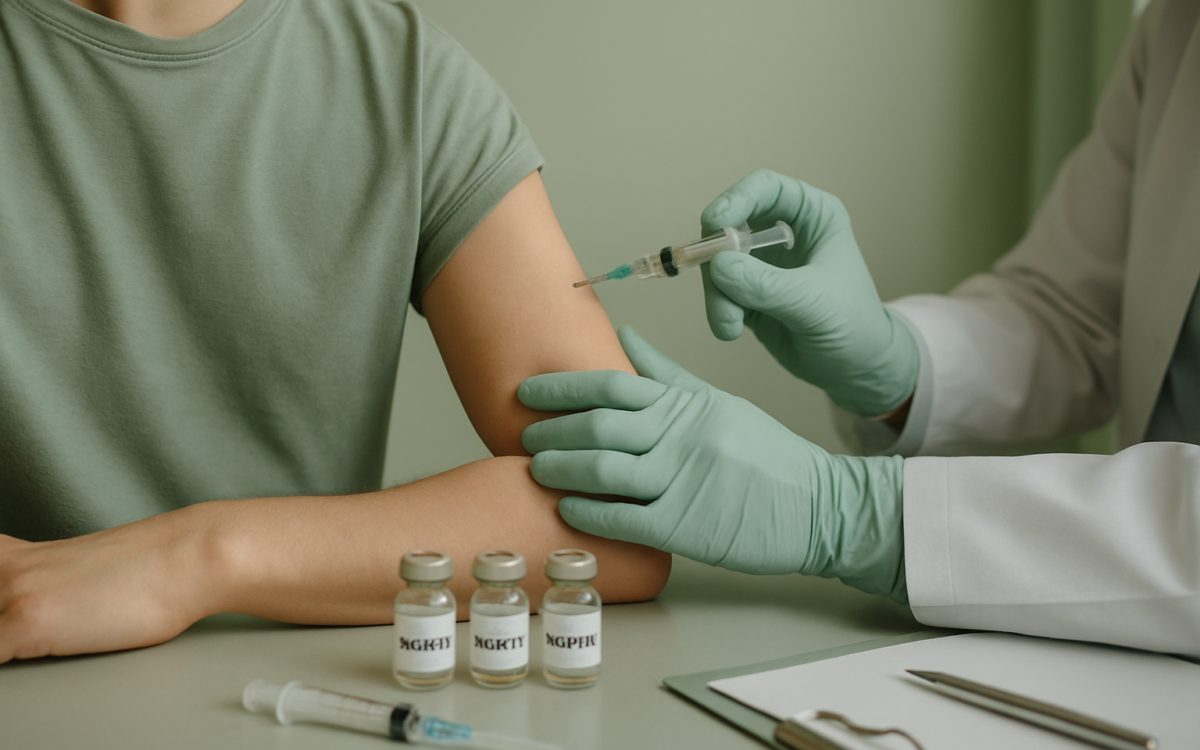
Every year, millions of people get vaccinated against various infectious diseases. Vaccination is one of the most effective ways to keep ourselves and our communities healthy. The Centers for Disease Control and Prevention (CDC) provides guidelines on which vaccines individuals should get at different stages of life. Let’s explore the significance of these recommended vaccines and how they help protect our health.
Understanding the Role of Vaccines
Vaccines work by stimulating the immune system to recognize and fight off specific pathogens, like viruses or bacteria. When we receive a vaccine, our body produces antibodies, which help defend against future infections. This process can prevent diseases that have serious health consequences, such as measles, flu, or hepatitis.
According to the CDC, vaccines not only protect the individual but also contribute to herd immunity. When a significant portion of the population is vaccinated, it reduces the spread of disease, protecting those who can’t be vaccinated, such as infants or individuals with compromised immune systems.
The Vaccination Schedule: A Lifelong Practice
The CDC’s vaccination schedule is designed for people of all ages, from infants to older adults. Understanding when to get vaccinated is crucial for maximizing benefits.
Infants and Children
For infants and toddlers, the CDC recommends a series of vaccinations that protect against diseases like:
- Hepatitis B
- Diptheria, Tetanus, and Pertussis (DTaP)
- Measles, Mumps, and Rubella (MMR)
- Varicella (chickenpox)
- Pneumococcal and Meningococcal diseases
These vaccinations are usually administered in multiple doses, starting shortly after birth and continuing through childhood. Following this schedule is essential to ensure adequate immunity.
Adolescents
As children grow into teens, they have additional vaccine recommendations. Key vaccines include:
- Tdap booster (tetanus, diphtheria, and pertussis)
- HPV (human papillomavirus)
- Meningococcal conjugate vaccine
These vaccines help protect against diseases more common during adolescence and prepare teens for adulthood.
Adults
Vaccination doesn’t end in childhood. Adults also need to stay updated with certain vaccines. The CDC suggests:
- Annual flu vaccine
- Tdap booster every 10 years
- Shingles vaccine for older adults
- Pneumococcal vaccines, particularly for those 65 and older or with certain health conditions
Keeping up with these vaccines can help prevent diseases that may escalate in adulthood.
The Importance of Vaccination for Special Populations
Certain groups of people have unique vaccination needs. Pregnant women, for instance, should receive specific vaccines to protect their health and the health of their babies. The CDC recommends the Tdap and flu vaccines during pregnancy.
People with autoimmune disorders or those who are immunocompromised should also consult their healthcare providers for tailored vaccination plans. Different vaccines may carry varying levels of risk for these individuals, making specialized guidance essential.
Vaccine Myths and Facts
Despite the clear benefits of vaccination, myths and misconceptions can lead to hesitancy. Let’s address some common concerns:
Do vaccines cause autism?
This myth originated from a discredited study and has been thoroughly debunked. Multiple credible studies, including those referenced by the NIH, have found no evidence to support any link between vaccines and autism.
Are vaccines safe?
Vaccines undergo rigorous testing and monitoring to ensure they are safe and effective. Serious side effects are extremely rare compared to the potential health risks of the diseases they prevent.
When to See a Doctor
If you have questions or concerns about vaccines—whether it’s about which ones you or your child needs, potential side effects, or vaccine schedules—don’t hesitate to consult your healthcare provider. They can provide personalized advice based on your health history and current medical guidelines.
Conclusion
CDC recommended vaccines play a vital role in safeguarding public health. By following the vaccination schedule and addressing any concerns with healthcare professionals, individuals can significantly reduce their risk of preventable diseases. Vaccination not only protects you but also contributes to the overall health of communities. Embracing vaccines is a step towards a healthier future for everyone.
