
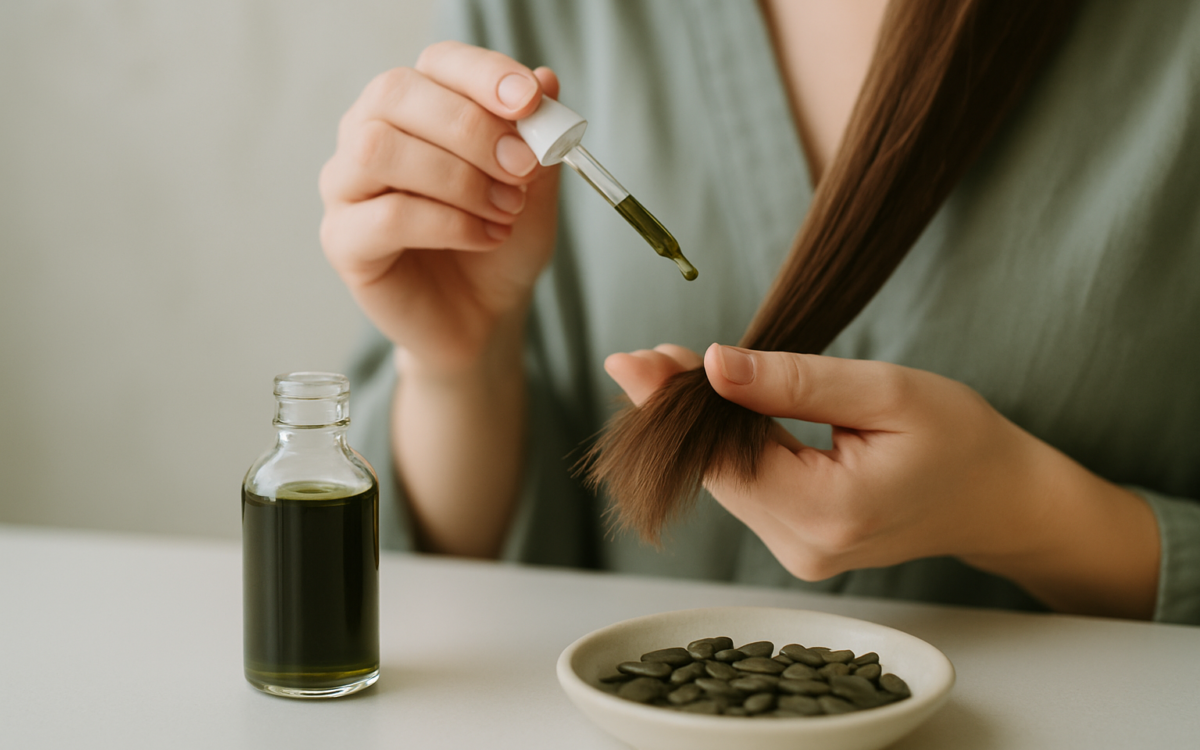
In the quest for luscious hair, many people turn to various products and treatments. Given the rise of natural remedies, one oil has caught the eye – pumpkin seed oil. This oil, derived from the seeds of pumpkins, is increasingly recognized for its potential benefits for hair health. But what exactly makes pumpkin seed oil a notable contender in the world of hair growth? Let’s dive into the fascinating attributes of this oil and the science that supports its use.
What is pumpkin seed oil?
Pumpkin seed oil is extracted from the seeds of the pumpkin (Cucurbita pepo), which is native to North America. Known for its rich, nutty flavor, the oil is commonly used in cooking and as a salad dressing. However, it also boasts impressive health benefits, thanks to its nutritional profile. Bursting with antioxidants, vitamins, and fatty acids, pumpkin seed oil is helpful for various health needs, including skin and hair care.
How does pumpkin seed oil promote hair growth?
The idea that pumpkin seed oil can enhance hair growth comes from its composition. Here are some key components that contribute to its hair benefits:
- Fatty Acids: Pumpkin seed oil is rich in omega-3 and omega-6 fatty acids, which can aid in moisturizing the scalp and nourishing hair follicles.
- Phytosterols: These compounds are known for blocking DHT (dihydrotestosterone), a hormone linked to hair loss in both men and women. High levels of DHT can lead to shorter hair cycles and hair thinning.
- Antioxidants: Vitamin E and other antioxidants in pumpkin seed oil help combat free radicals that can damage hair cells and lead to hair loss.
Several studies suggest that these properties combined can help improve hair thickness and promote healthier hair growth.
Scientific Studies Supporting Pumpkin Seed Oil
Research has started to shine a light on the effectiveness of pumpkin seed oil for hair growth. One notable study published in the journal Evidence-Based Complementary and Alternative Medicine found that men who took pumpkin seed oil supplements for 24 weeks experienced a 40% increase in hair growth compared to a placebo group. While more research is needed, these findings indicate that pumpkin seed oil could be a useful addition to hair growth treatments.
How to Use Pumpkin Seed Oil for Hair Growth
If you’re interested in trying pumpkin seed oil for your hair, there are several ways to incorporate it into your routine:
- As a Hair Oil: You can apply pumpkin seed oil directly to your hair and scalp. Massage it gently to enhance blood circulation and allow the oil to penetrate the hair follicles.
- In Hair Masks: Mix pumpkin seed oil with other nourishing ingredients like honey or coconut oil to create a hair mask. Apply it to your hair, leave it for at least 30 minutes, and then wash it out.
- As a Dietary Supplement: Consuming pumpkin seed oil in capsule form or as an oil can also support hair health from the inside out. This approach is beneficial for those who prefer to gain nutrients through diet.
As with any natural remedy, it’s wise to perform a patch test to determine if you have any allergies or sensitivities before applying pumpkin seed oil to your scalp.
Other Benefits of Pumpkin Seed Oil
Aside from its potential to enhance hair growth, pumpkin seed oil offers various other health benefits:
- Heart Health: The oil contains components that may help lower cholesterol and improve cardiovascular health.
- Skin Care: Its anti-inflammatory properties can soothe skin and may help with conditions like eczema.
- Prostate Health: Preliminary studies suggest that pumpkin seed oil may benefit prostate health, particularly in older men.
These additional benefits make pumpkin seed oil an appealing supplement to your health regime, whether consumed or used topically.
Considerations and Precautions
While pumpkin seed oil is generally safe for most people, there are a few considerations to keep in mind:
- Allergies: If you have allergies to pumpkins or other seeds, avoid using pumpkin seed oil.
- Medication Interactions: Pumpkin seed oil could interact with certain medications, particularly blood thinners. Always consult your healthcare provider before starting any new supplement.
- Consult Your Doctor: If you have underlying health conditions or are pregnant or nursing, speak with your doctor before use.
For detailed information about potential interactions and side effects, consult resources such as Mayo Clinic or discuss with a healthcare professional.
When to See a Doctor
If you notice significant hair loss or if your scalp becomes itchy or inflamed, it’s essential to consult with a healthcare provider. A doctor can help identify underlying conditions and recommend appropriate treatment options. Earlier detection of hair loss issues can lead to more effective management strategies.
Conclusion
Pumpkin seed oil is gaining popularity as a natural remedy for hair growth. With its rich nutrient profile and preliminary support from scientific research, it represents an intriguing option for those looking to enhance hair health. Remember that while natural remedies can be helpful, it’s crucial to integrate them sensibly into your overall hair care and health plan. As with any approach, consulting a healthcare provider is always wise, especially when addressing health concerns.
