
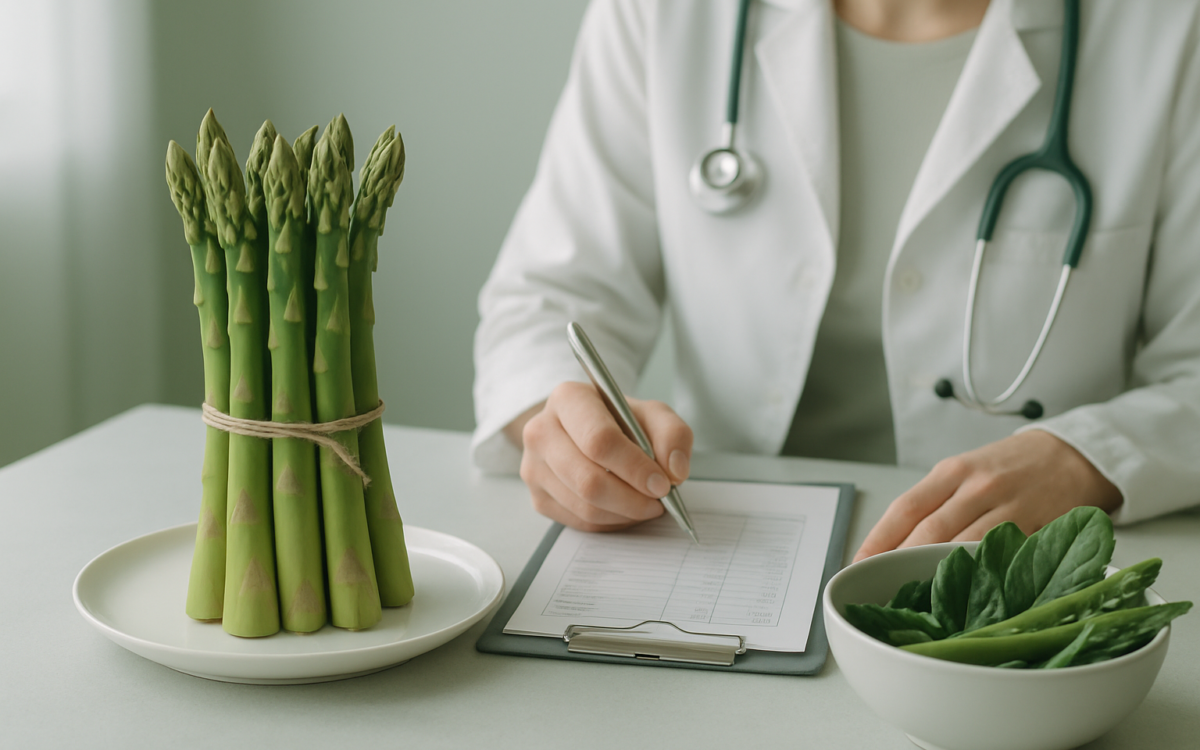
Asparagus is not just a gourmet side dish; it’s a nutrient powerhouse worth exploring. This vibrant green vegetable, often associated with spring, serves up an impressive array of health benefits. Beyond its culinary appeal, asparagus is low in calories and rich in vitamins, minerals, and antioxidants that can contribute to your overall well-being.
What Makes Asparagus Nutritionally Unique?
Asparagus (Asparagus officinalis) stands out in the vegetable world for several reasons. It is a rich source of vitamins A, C, E, and K, along with important minerals like iron, potassium, and phosphorus. These nutrients are essential for maintaining a healthy body.
Vitamins and Minerals
Vitamins: Asparagus is particularly well-known for its vitamin K content, which is essential for blood clotting and bone health. Just one cup of cooked asparagus can provide over 50% of your daily vitamin K needs. It is also a good source of folate, a B vitamin important for DNA synthesis and repair, making it a wise choice for pregnant women.
Minerals: This vegetable is high in potassium, which helps regulate blood pressure and supports muscle function. The combination of potassium and fiber in asparagus can also aid in digestive health.
Asparagus and Antioxidants
Asparagus packs a punch when it comes to antioxidants. These compounds help combat oxidative stress in the body, which can lead to chronic diseases like heart disease and cancer. Notably, asparagus contains quercetin and kaempferol, flavonoids that reduce inflammation and may enhance immune function.
According to the National Institutes of Health, eating a diet rich in antioxidants can help protect your cells from damage caused by free radicals.
Fiber and Digestive Health
Fiber is an essential component of a healthy diet, and asparagus is a fantastic source. One cup of cooked asparagus contains about 3.6 grams of fiber, including both soluble and insoluble types. Soluble fiber can lower blood cholesterol and stabilize blood sugar levels, while insoluble fiber aids in digestion and can prevent constipation.
Incorporating asparagus into your meals can promote a healthy gut, which is vital for overall health. A healthy gut microbiome plays a role in everything from nutrient absorption to immune function.
How to Incorporate Asparagus into Your Diet
Asparagus can be prepared in a variety of ways, making it easy to add to your meals:
- Grilled or Roasted: Toss asparagus with olive oil and seasonings, then roast or grill until tender.
- In Salads: Chop raw or blanched asparagus and add it to salads for a fresh crunch.
- In Soups and Stir-fries: Add asparagus to soups or stir-fries for added flavor and nutrition.
- Pasta Dishes: Combine asparagus with whole grain pasta, garlic, and lemon for a healthy entrée.
You can also enjoy asparagus as a simple side dish, steam it lightly to preserve its nutrients, or even serve it with a dip for a healthy snack.
Potential Health Benefits of Eating Asparagus
Eating asparagus regularly may offer several health benefits, including:
- Heart Health: With its fiber and potassium content, asparagus can help manage blood pressure and cholesterol levels.
- Weight Management: Low in calories and high in fiber, asparagus can help you feel full longer, aiding in weight control.
- Bone Health: The vitamin K in asparagus promotes bone strength and health.
- Pregnancy Support: The high folate content makes asparagus a favorable choice for pregnant women, as it supports fetal development.
Research from the Mayo Clinic highlights the importance of incorporating a variety of vegetables like asparagus into a balanced diet to reap these benefits.
When to See a Doctor
If you experience any unusual symptoms after eating asparagus, such as digestive discomfort or allergic reactions, consult your doctor for guidance. Additionally, if you have specific health concerns or dietary restrictions, it’s best to seek professional advice on including asparagus in your meal plan.
Ultimately, asparagus is more than just a delicious addition to your plate; it’s a formidable ally for your health. With its blend of essential nutrients, fiber, and antioxidants, there’s plenty of reason to make this vegetable a star in your diet.
