
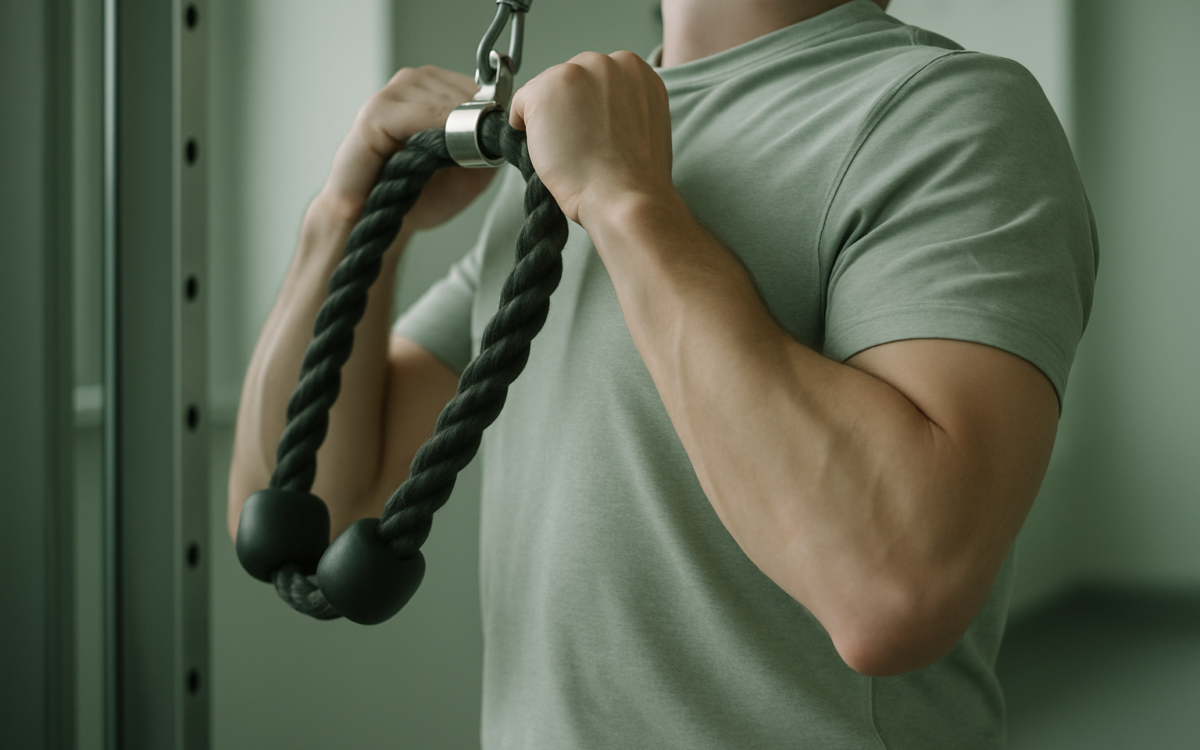
In a world where we spend countless hours hunched over screens, maintaining a strong and balanced posture is more important than ever. That’s where face pulls come into play. This powerful exercise not only strengthens the muscles of the upper back but also promotes better postural alignment. In this article, we’ll explore what face pulls are, their benefits, proper techniques, variations, tips for incorporation into your routine, and the precautions to consider.
What are face pulls?
Face pulls are a type of resistance exercise that targets the posterior deltoids, trapezius, and rotator cuff muscles. Often performed using a cable machine or resistance bands, this movement involves pulling the handle towards your face while keeping your elbows elevated. This motion mimics the action of pulling something toward you, which helps activate key muscles in your upper back.
The benefits of face pulls
Face pulls offer a range of benefits that can significantly improve your overall physical health and fitness:
- Improved Posture: Face pulls help counteract the effects of prolonged sitting and slouching, strengthening the muscles that hold your shoulders back.
- Strengthened Shoulder Muscles: This exercise effectively targets the upper back and shoulder muscles, enhancing stability and reducing the risk of injury.
- Enhanced Rotator Cuff Function: Face pulls strengthen the rotator cuff, which is vital for shoulder joint stability, an essential aspect of upper body strength.
- Increased Muscle Coordination: Performing face pulls can improve the neuromuscular connection in your upper body, leading to better performance in other exercises.
How to perform face pulls correctly
Proper technique is crucial for maximizing the benefits of face pulls and preventing injury. Here’s a step-by-step guide:
- Equipment Setup: Use a cable machine set at or slightly above head level. Attach a rope handle.
- Starting Position: Stand facing the machine with your feet shoulder-width apart. Adjust the cable so that the attachment is at your face level. Grab the rope with both hands, palms facing down.
- Execution: Step back to create tension in the cable, then pull the rope towards your face, keeping your elbows high and flared out to the sides. Aim to squeeze your shoulder blades together at the end of the movement.
- Return: Slowly release the tension, returning to the starting position with control.
- Repetitions: Aim for 2-4 sets of 10-15 repetitions to start, adjusting as your strength increases.
Variations of face pulls
If you’re looking to mix things up or target different muscle groups, consider these variations of face pulls:
- Single-arm face pulls: Perform the exercise with one arm at a time. This variation helps address strength imbalances between sides.
- Resistance band face pulls: If you don’t have access to a cable machine, use a resistance band anchored at the same height. This can also help with portability and convenience.
- Face pulls with external rotation: At the end of the pull, rotate your wrists outward to engage the rotator cuff even more effectively.
Incorporating face pulls into your workout routine
Integrating face pulls into your fitness regimen can be easy and beneficial:
- Warm-up: Include face pulls in your warm-up routine to activate your back and shoulder muscles before more intense workouts.
- During upper body days: Pair face pulls with pushing exercises like bench presses or shoulder presses to maintain a balanced upper body workout.
- Standalone exercise: You can also dedicate a full workout to upper back strength, leading with face pulls.
Precautions and tips
While face pulls are generally safe for most individuals, it’s important to keep a few tips and precautions in mind:
- Listen to your body: If you experience pain during the exercise, stop immediately and consult a fitness professional or physician.
- Maintain proper form: Avoid using too much weight, as this can compromise your technique and lead to injury.
- Balance your workouts: Incorporate pushing exercises (like bench press) with pulling exercises (like face pulls) for well-rounded shoulder health.
- Consult a professional: If you’re new to strength training or have previous shoulder injuries, consider working with a personal trainer to ensure you’re using the correct form. Always consult your doctor before beginning any new exercise regimen.
When to see a doctor
If you experience persistent pain, discomfort, or any unusual sensations in your shoulders while performing face pulls or any exercise, it’s essential to consult a healthcare professional. Also, if you have a history of shoulder injuries or shoulder-related illnesses, seek advice from a physician before including face pulls in your routine.
Face pulls are a simple yet effective way to build strength and improve the health of your upper body. By incorporating this movement into your training regimen, you can work towards better posture, stronger shoulders, and enhanced overall fitness. Remember to practice good form, listen to your body, and consult your doctor if you have any questions or concerns about your exercise routine.
