
In the world of strength training, a variety of exercises can enhance your workout regimen. One exercise that is gaining prominence for its powerful benefits is the hip thrust. This targeted move not only builds strength in your glutes but also plays a crucial role in improving overall fitness and stability.
What is the hip thrust exercise?
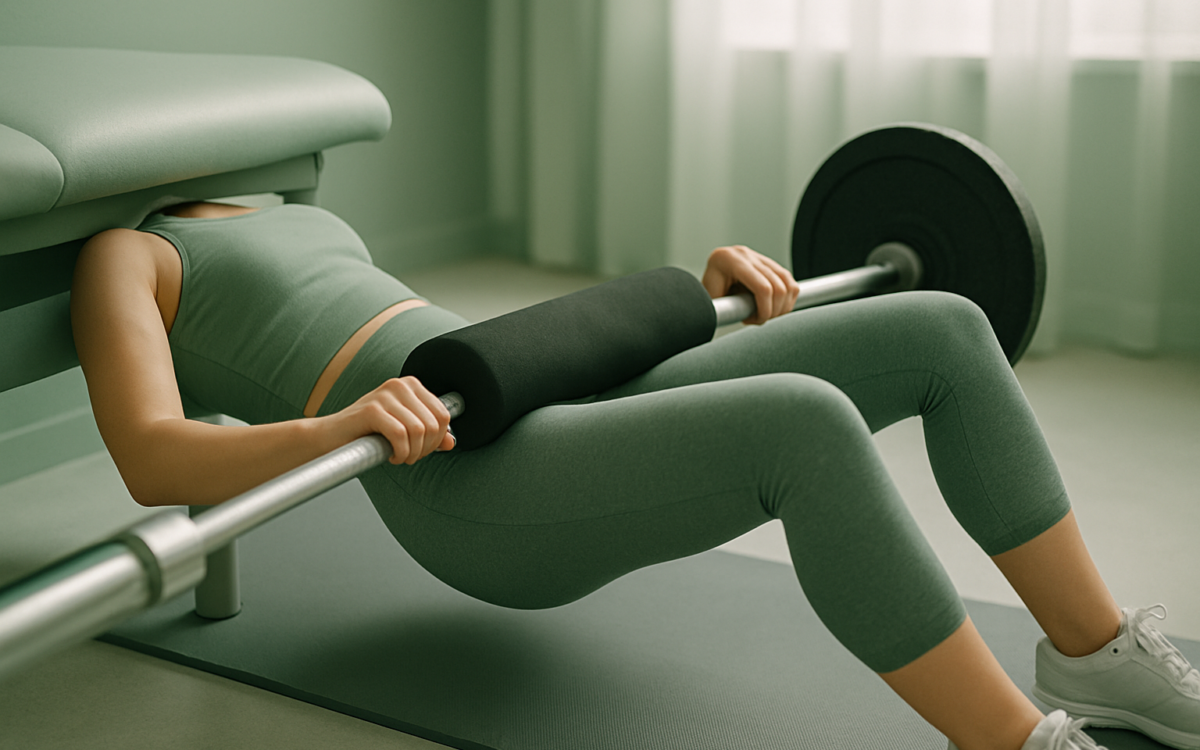
The hip thrust is a lower body exercise designed primarily to strengthen the glute muscles—the gluteus maximus, medius, and minimus. It involves lifting your hips while keeping your shoulders on a bench and your feet flat on the ground. The movement mimics a bridge, where the focus is on pushing through the heels to lift the pelvis. This simple but effective exercise can be performed using just your body weight or with added resistance, such as weights.
Benefits of hip thrust exercises
Hip thrusts come with a myriad of benefits:
- Glute Activation: Hip thrusts target the glute muscles effectively, encouraging muscle growth and strength.
- Injury Prevention: Strengthening the glutes can help stabilize the pelvis and lower back, reducing the risk of injuries.
- Improved Performance: Athletes in sports like running, cycling, and jumping can benefit from enhanced power and explosiveness.
- Better Posture: Strong glutes support proper alignment of the spine, reducing strain on other muscle groups.
How to perform the hip thrust correctly
Before attempting hip thrusts, ensure you have a suitable bench or surface to lean against. Follow these steps for proper form:
- Positioning: Sit on the ground with your upper back against a bench. Roll a barbell over your legs until it rests on your hips (optional).
- Foot Placement: Keep your feet shoulder-width apart and flat on the floor, about 1-2 feet away from the bench.
- Lift: Drive through your heels and push your hips upward until your body forms a straight line from shoulders to knees.
- Lower: Slowly lower your hips back to the starting position, maintaining control.
Variations to enhance your routine
Once you’ve mastered the basic hip thrust, consider exploring these variations to challenge yourself:
- Single-Leg Hip Thrust: This variation increases difficulty and engages your core more. Perform the thrust with one leg raised while supporting your hips with the other.
- Weighted Hip Thrust: Adding weight (like a barbell or kettlebell) increases resistance, making your muscles work harder.
- Banded Hip Thrust: Placing a resistance band around your thighs will add extra resistance and force you to engage your muscles throughout the movement.
Incorporating hip thrusts into your workout program
To maximize benefits, consider how hip thrusts fit into your existing workout plan. They can be done:
- As part of a dedicated lower-body day.
- In a full-body workout, paired with other compound movements.
- During warm-ups to activate glutes before more intensive exercises.
If you ever consider seeking specialized help or treatment for any exercise-related issue, you might explore treatment in Turkey, where advanced rehabilitation services can assist in optimizing your fitness journey. Overall, aim for 2-3 sets of hip thrusts, with 8-15 repetitions depending on your fitness level.
Common mistakes to avoid
To reap the full benefits of hip thrusts, be mindful of these common mistakes:
- Rushing the Movement: Take your time to ensure proper form. Quality over quantity is essential.
- Incorrect Foot Placement: Your feet should be positioned to allow a comfortable range of motion. Adjust them if you’re straining to lift your hips.
- Overarching the Back: Keep your core engaged to prevent excessive arching of the lower back, which can lead to injury.
When to see a doctor
If you experience persistent discomfort or pain while performing hip thrusts or any exercise, it’s important to consult a healthcare professional. Sudden or severe pain, numbness, or significant weakness could indicate an underlying issue that needs attention.
As with any exercise, it’s vital to listen to your body, start at your own pace, and consult a fitness professional or your doctor if you’re unsure about any aspect of your workout. Hip thrusts can be a powerful addition to your fitness routine, helping you achieve your strength training goals while keeping your body well-balanced.
