
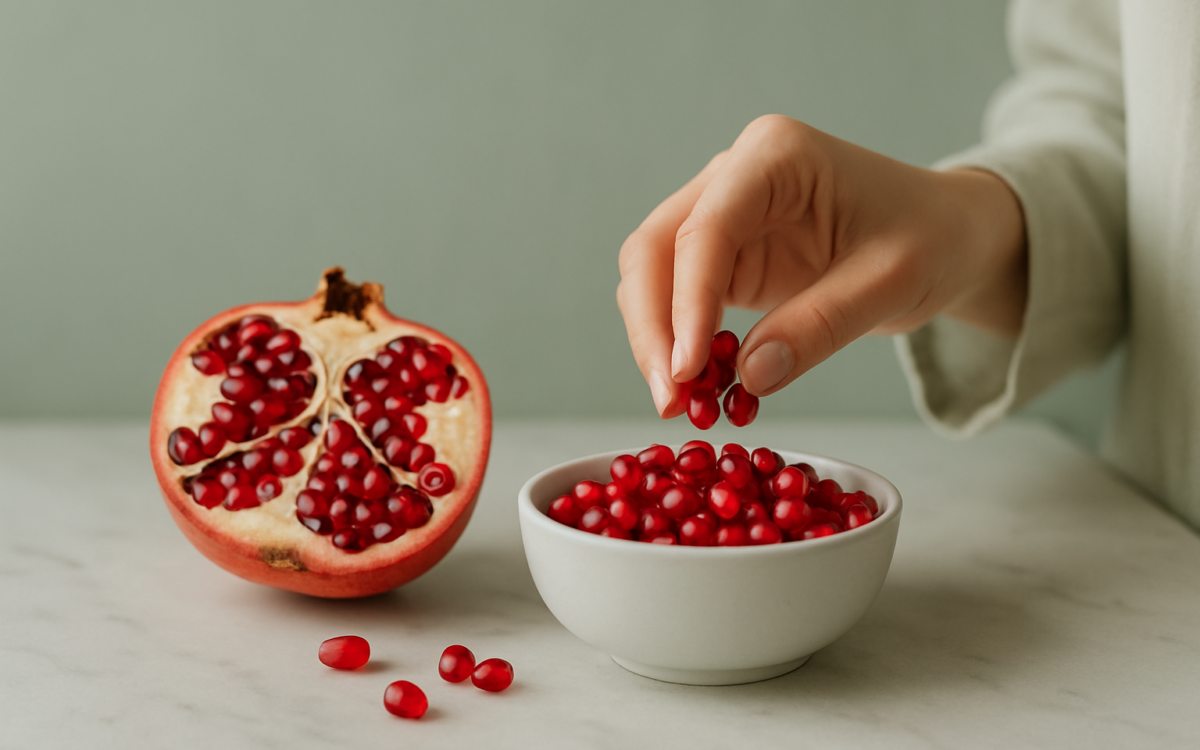
Pomegranate seeds are small, jewel-like gems that burst with flavor and offer a multitude of health benefits. These seeds are the edible part of the pomegranate fruit, which has been cultivated for centuries in various cultures for both culinary and medicinal purposes. With their rich taste and vibrant color, pomegranate seeds make a delightful addition to many dishes, but did you know they also pack a nutritious punch? Let’s dive into the many advantages of incorporating pomegranate seeds into your diet.
Rich in Nutrients
Pomegranate seeds are more than just pretty additions to your meals; they are loaded with essential nutrients. A one-cup serving of pomegranate seeds contains approximately:
- 234 calories
- 49 grams of carbohydrates
- 5 grams of protein
- 11 grams of fiber
- 30% of the recommended daily value of Vitamin C
- 36% of the recommended daily value of Vitamin K
- 9% of the recommended daily value of Folate
This impressive nutrient profile contributes to the overall function of the body, supporting everything from immune health to bone density.
Packed with Antioxidants
One of the standout features of pomegranate seeds is their high antioxidant content. Antioxidants are compounds that help protect your body against oxidative stress caused by free radicals. Pomegranate seeds contain punicalagins and punicic acid, which are potent antioxidants. Research from the National Institutes of Health suggests that these antioxidants can help reduce inflammation and lower the risk of chronic diseases such as heart disease and cancer.
Heart Health Benefits
Pomegranate seeds have been linked to heart health due to their ability to improve cholesterol profiles and lower blood pressure. Studies have shown that the consumption of pomegranate juice, rich in these seeds, may help reduce arterial plaque buildup. Regular intake could lead to better blood flow and reduced risk of heart-related issues. The combination of fiber, antioxidants, and potassium in pomegranate seeds works together to promote cardiovascular wellness.
Boosting Memory and Brain Health
Some research indicates that pomegranate seeds may also benefit cognitive function. The antioxidants in pomegranates can help protect the brain from age-related damage. A study published in the Journal of Alzheimer’s Disease found that pomegranate extract may improve memory and cognitive performance in older adults. While more research is needed, including pomegranate seeds in your diet can be a delicious way to support brain health.
Incorporating Pomegranate Seeds into Your Diet
Integrating pomegranate seeds into your meals is easy and enjoyable! Here are some fun and creative ways to add them to your diet:
- Add them to salads for a burst of flavor and color.
- Top yogurt or oatmeal with pomegranate seeds for added crunch and sweetness.
- Blend them into smoothies or juices for a nutrient boost.
- Use them as a garnish on roasted meats or in salsas for a refreshing twist.
- Incorporate pomegranate seeds into desserts, like parfaits or sorbets, for a healthy treat.
If you’re considering seeking international medical treatments involving nutritional aspects, resources like acibademinternational.com can offer you valuable information on comprehensive health services that include nutrition-based therapies.
When to See a Doctor
While pomegranate seeds are generally safe for most people, it’s important to talk to your doctor if you have any specific health conditions or allergies. If you experience unusual reactions after consuming pomegranate seeds, it’s best to consult a healthcare professional.
Integrating pomegranate seeds into your diet can enhance your meals while providing numerous health benefits. From their rich nutrient profile to their potential in promoting heart and brain health, these little seeds can be a valuable addition to your overall nutrition strategy. Enjoy them fresh, in drinks, or as part of a meal for a healthy twist!
