
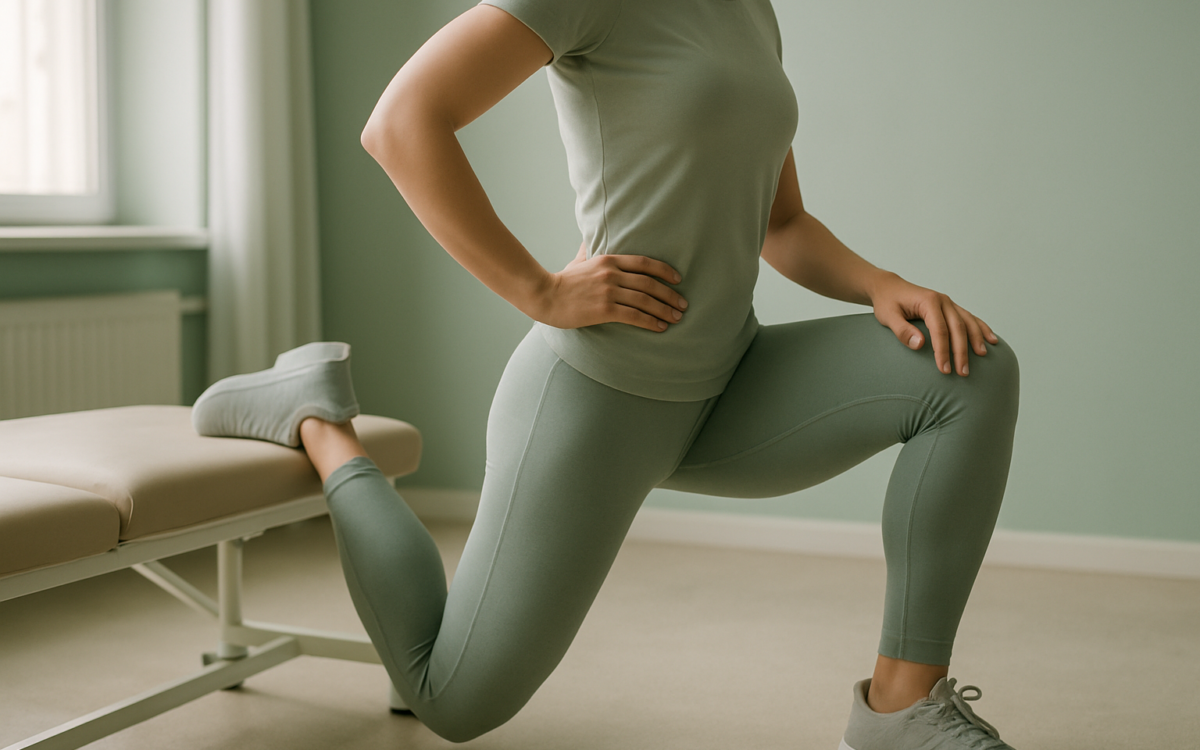
When it comes to building strength and stability in your legs, few exercises are as effective as split squats. This dynamic movement not only targets your quadriceps, hamstrings, and glutes but also enhances balance and coordination. In this article, we will explore the split squat, its benefits, proper technique, variations, and tips for incorporating it into your fitness routine.
What is a Split Squat?
A split squat is a lower body exercise where you place one foot forward and the other foot back, maintaining a fixed position while you lower your body by bending your front knee. Unlike a regular squat, where both feet remain on the ground, split squats involve a lunge-like position, which can effectively target the muscles in each leg individually.
Benefits of Split Squats
Split squats offer a multitude of benefits that make them a worthwhile addition to any workout routine:
- Improved Leg Strength: This exercise primarily strengthens the quadriceps, hamstrings, and glutes.
- Better Balance: Since split squats work one leg at a time, they help improve your balance and coordination, which is crucial for overall athletic performance.
- Enhanced Flexibility: The split squat position requires flexibility in the hip flexors and quadriceps, helping to increase the range of motion.
- Joint Stability: Strengthening the muscles around your knees and hips can contribute to overall joint stability, reducing the risk of injuries.
How to Perform a Split Squat
To perform a split squat correctly, follow these steps:
- Start Position: Stand with your feet hip-width apart. Step one foot back about two to three feet. Your back heel should be lifted off the ground.
- Lowering Down: Shift your weight onto your front foot, bending your knee while keeping your chest up and core engaged. Your back knee should lower toward the floor without actually touching it.
- Return: Push through your front heel to return to the starting position. Make sure you maintain a straight back and keep your knee aligned over your ankle.
- Repetitions: Aim for 8-12 reps on each leg, depending on your fitness level.
It’s essential to focus on maintaining good form throughout the exercise to maximize benefits and prevent injury.
Common Mistakes to Avoid
When performing split squats, some common mistakes can hinder your progress or lead to injury:
- Letting Your Knee Go Past Your Toes: Ensure that your front knee stays in line with your ankle.
- Arching Your Lower Back: Keep your core engaged and your back straight to avoid putting strain on your lower back.
- Inadequate Depth: Don’t sacrifice form for depth; lower your body until your thigh is parallel to the ground, if possible.
Variations to Try
Once you’ve mastered the basic split squat, consider trying these variations to keep your routine exciting:
- Weighted Split Squats: Add dumbbells or a barbell for added resistance.
- Bulgarian Split Squat: Elevate your back foot on a bench or chair, which increases the difficulty of the exercise.
- Reverse Split Squat: Start from a lunge position and push back up into the starting position, focusing on your front leg.
Incorporating Split Squats into Your Routine
To get the most out of your split squat workout, try including them in various workout formats:
- Warm-Up: Use split squats as part of your dynamic warm-up routine to engage your legs.
- Strength Training: Include them in leg workouts along with compound exercises like squats and lunges.
- HIIT Workouts: Add them to your high-intensity interval training sessions for a challenging leg workout.
Remember that consistency is key for any exercise to be effective. Aim to incorporate split squats into your routine at least once a week for best results.
When to See a Doctor
If you experience persistent pain during or after performing split squats, it’s wise to consult a healthcare professional. Issues such as pain in the knees, hips, or lower back can indicate underlying problems that need attention. For more information on musculoskeletal pain, visit the Mayo Clinic.
In summary, split squats are a versatile and rewarding exercise for enhancing leg strength, balance, and flexibility. By mastering proper technique and incorporating this exercise into your fitness routine, you can take significant strides toward improved performance and overall leg health. Remember to listen to your body and consult a healthcare professional if needed. Happy squatting!
