
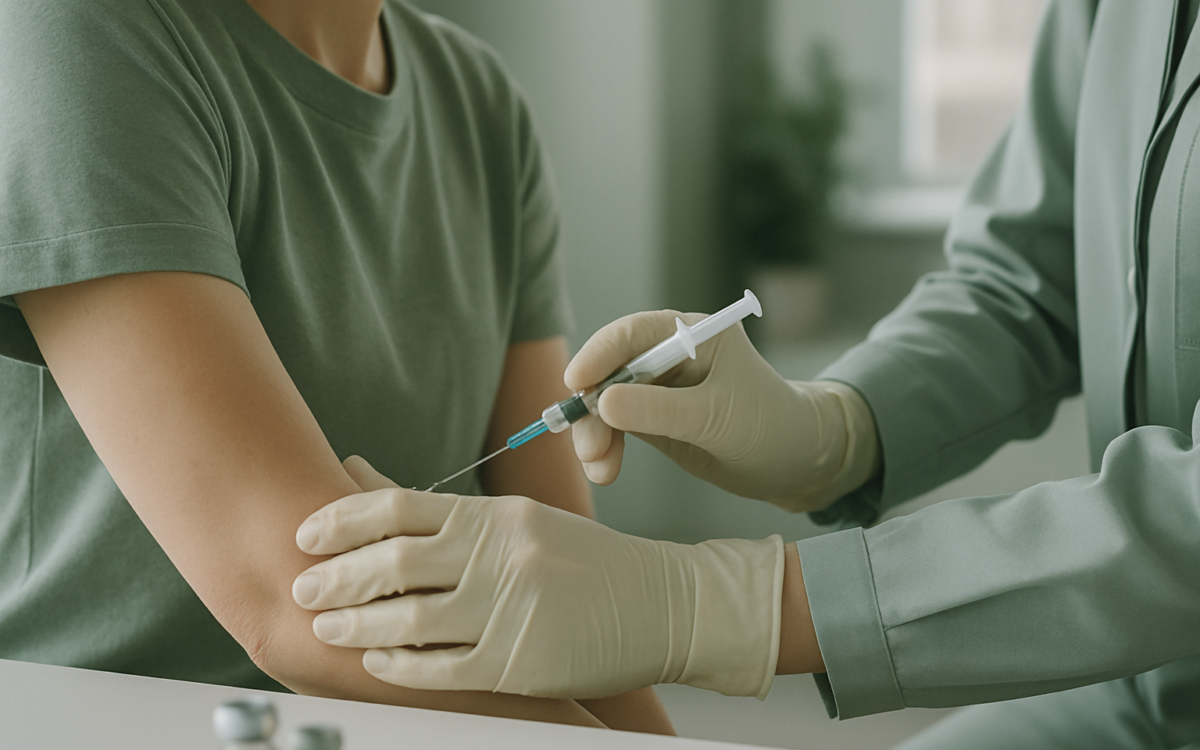
Vaccinations have been a cornerstone of public health for many years. As we continuously strive for healthier communities, understanding how vaccines work and their importance can empower us to make informed decisions. In this article, we’ll explore the nuts and bolts of vaccination and how it plays an essential role in preventing illnesses.
The Basics of Vaccination
Vaccination is a process that helps the body develop immunity against specific infectious diseases. Vaccines contain weakened or inactivated parts of a germ, such as proteins or sugars. When a person receives a vaccine, their immune system recognizes these components as foreign and triggers an immune response, developing antibodies that can fight the disease in the future.
Types of Vaccines
There are several different types of vaccines used to protect against various diseases. Understanding these can help clarify how they work:
- Live Attenuated Vaccines: These contain a weakened form of the virus or bacteria that causes the disease. Examples include the measles, mumps, and rubella (MMR) vaccine.
- Inactivated Vaccines: Made from viruses or bacteria that have been killed. An example is the polio vaccine.
- Subunit, Recombinant, or Conjugate Vaccines: These include only parts of the germ (like proteins or sugars) to stimulate an immune response. Examples include the human papillomavirus (HPV) vaccine.
- Messenger RNA (mRNA) Vaccines: This newer type of vaccine contains material from the virus that instructs cells to produce a protein unique to the virus, triggering an immune response. COVID-19 vaccines are a notable example.
The Importance of Vaccination for Public Health
Vaccines are not just about individual protection but play a crucial role in community health. Here are some significant benefits:
- Herd Immunity: When a significant portion of a population is vaccinated, it helps protect those who cannot be vaccinated, such as individuals with certain medical conditions.
- Reduction of Disease Spread: Widespread vaccination reduces the incidence of diseases, leading to fewer outbreaks and a decline in overall healthcare costs.
- Global Health: Vaccination efforts have led to the eradication of diseases like smallpox, highlighting the profound impact vaccines can have on global health.
Addressing Common Concerns About Vaccination
Despite the overwhelming benefits of vaccination, many people have concerns. Here are some common questions and facts to consider:
- Are Vaccines Safe? Vaccines are rigorously tested for safety and efficacy before they are approved for public use. Ongoing monitoring continues after approval to ensure their safety. According to the CDC, serious side effects are extremely rare.
- Do Vaccines Cause Autism? Numerous scientific studies have found no link between vaccines and autism. The original study that suggested this link has been discredited and retracted.
- What About Natural Immunity? While some believe natural infection provides better immunity, it often comes with the risk of serious illness or complications that vaccines can help avoid.
How Vaccination Schedules Are Determined
The timing of vaccinations is carefully planned based on extensive research. The World Health Organization and the CDC provide guidelines on vaccination schedules tailored for different age groups and high-risk populations. Following these schedules ensures individuals receive the maximum protection from vaccines when they need it most.
Keeping Track of Your Vaccination Records
It’s essential to keep personal vaccination records organized. Here’s why:
- School and Employment Requirements: Many schools and jobs require proof of vaccination.
- Travel Considerations: Certain destinations may require specific vaccines to enter.
- Health Decisions: Having your vaccination history readily available can help healthcare providers make informed decisions about your care.
When to See a Doctor
If you experience any unusual reactions following a vaccination, such as a high fever, difficulty breathing, or persistent swelling at the injection site, consult your healthcare provider. They can provide advice and support for any concerns regarding vaccinations you may have.
Remember to discuss your vaccination history and any upcoming vaccinations with your doctor to ensure you and your family are adequately protected.
Conclusion
Vaccination remains one of the most effective ways to protect individual and public health. By understanding how vaccines work, the types available, and the importance of sticking to recommended schedules, you can contribute to a healthier future for everyone. Stay informed, stay healthy, and don’t hesitate to talk to your healthcare provider about vaccination.
