
Vitamin D is known as the “sunshine vitamin,” but its significance extends far beyond just a casual beach day. It plays crucial roles in various functions of the body and can influence your overall health. In this article, we will explore the benefits of vitamin D, its sources, and what happens when you have too little.
What is Vitamin D?
Vitamin D is a fat-soluble vitamin that your body produces in response to sunlight, but it can also be obtained through certain foods and supplements. There are two main forms of vitamin D: D2 (ergocalciferol) and D3 (cholecalciferol). While both forms can help raise vitamin D levels in the body, D3 is more effective at raising and maintaining adequate levels of vitamin D.
Why Your Body Needs Vitamin D
Vitamin D is essential for several vital bodily processes:
- Bone Health: Perhaps the most well-known role of vitamin D is its contribution to bone health. It helps the body absorb calcium and phosphorus, two minerals crucial for building and maintaining strong bones. Insufficient vitamin D can lead to brittle bones and increase the risk of fractures and conditions like osteoporosis.
- Immune Function: Vitamin D is a key player in maintaining a robust immune system. Research suggests that it can help the body fend off infections and might reduce the risk of autoimmune diseases. For instance, some studies have suggested a link between adequate vitamin D levels and lower rates of respiratory infections.
- Mood Regulation: There is growing evidence that vitamin D might also influence mood and mental health. Low levels of vitamin D have been associated with a greater risk of depression and anxiety. Some studies have found that supplementation can help improve mood in individuals deficient in this vitamin.
- Muscle Function: Adequate vitamin D levels are important for muscle strength and function. This vitamin plays a role in muscle contraction and may help reduce the risk of falls, particularly in older adults.
Sources of Vitamin D
Getting enough vitamin D can be achieved through sunlight, diet, and supplementation:
Sunlight
Your skin produces vitamin D when exposed to sunlight. Just 10-30 minutes of midday sun several times a week may be enough for most people, though this varies based on skin type, location, and time of year.
Diet
While it’s difficult to obtain enough vitamin D from food alone, several sources can contribute to your daily intake:
- Fatty fish (like salmon and mackerel)
- Fish liver oils
- Fortified foods (such as fortified milk, orange juice, and cereals)
- Egg yolks
Supplements
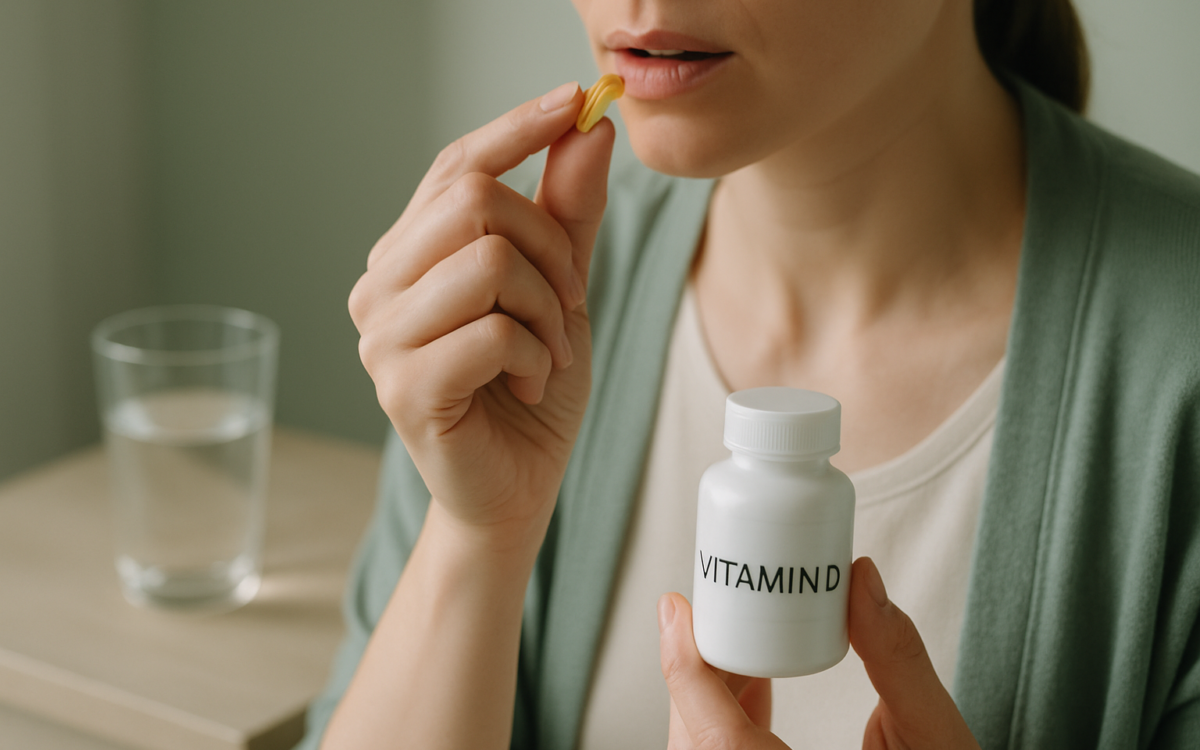
If you struggle to get enough vitamin D through sunlight and diet, supplements might be necessary. Vitamin D3 is often recommended as it is more effective than D2 at raising blood levels. It’s essential to consult a healthcare provider before starting any supplementation.
Signs of Vitamin D Deficiency
Not getting enough vitamin D can affect your health in several ways. Common symptoms of deficiency include:
- Bone pain and muscle weakness
- Fatigue and low energy
- Frequent infections
- Changes in mood, such as increased feelings of depression
While many people may not experience symptoms initially, long-term deficiency can lead to serious health issues.
How to Maintain Healthy Vitamin D Levels
To ensure that you maintain healthy levels of vitamin D, consider the following tips:
- Spend time outdoors, especially during sunnier months.
- Incorporate vitamin D-rich foods into your diet.
- Consider supplements if you have limited sun exposure or dietary intake.
- Get your vitamin D levels checked through a blood test, especially if you have risk factors for deficiency.
When to See a Doctor
If you suspect you might have a vitamin D deficiency due to symptoms you are experiencing or if you have concerns about your vitamin D levels, consulting a healthcare professional is advisable. They can conduct blood tests to determine your levels and recommend appropriate measures based on your needs.
Conclusion
Vitamin D is a crucial nutrient that contributes to many vital functions within the body, from supporting bone health to enhancing mood and immune function. Ensuring you get enough vitamin D through sunlight, food, and, if necessary, supplements can help you maintain your health. As always, consult your healthcare provider for personalized advice and recommendations.
For more information on vitamin D, you can visit the NIH website.
