
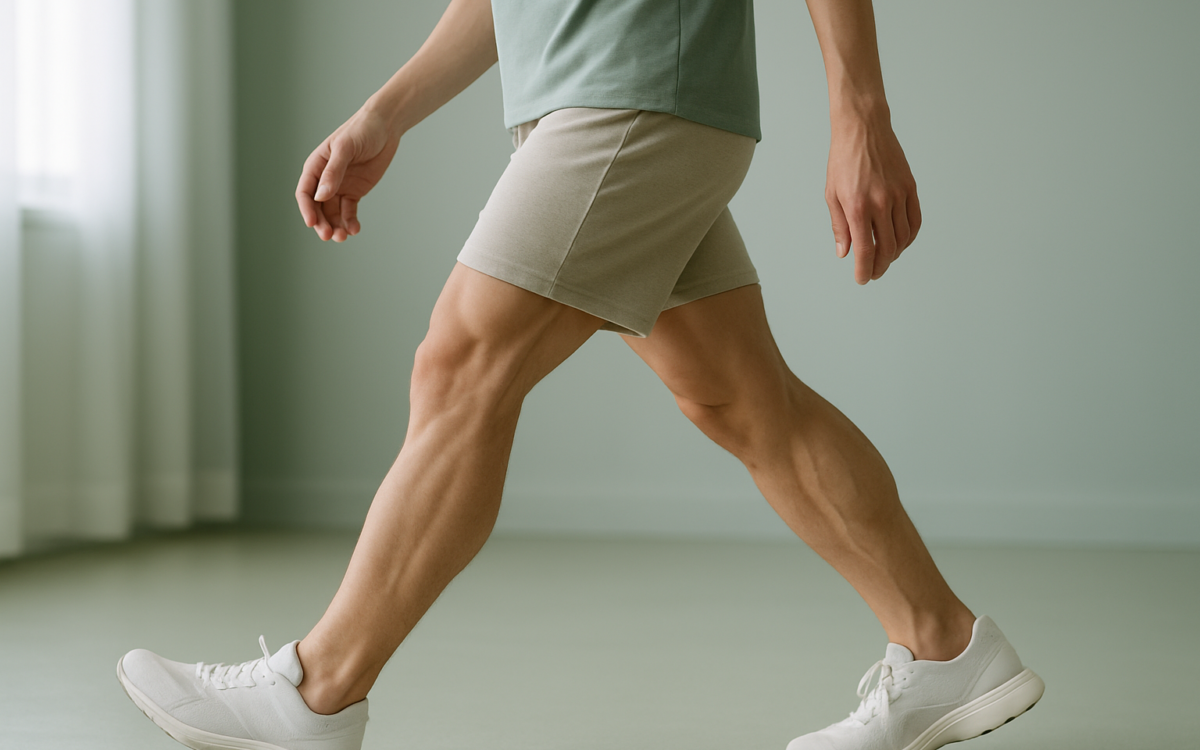
Walking is one of the simplest yet most effective forms of physical activity. It’s a natural movement that people of all ages can enjoy, making it an accessible form of exercise. Not only does walking improve your physical condition, but it engages various muscles throughout your body. In this article, we’ll explore the key muscles worked during walking and the overall benefits of this activity.
The Primary Muscles Used in Walking
When you walk, your body works in a coordinated manner, utilizing several muscle groups. The following muscles play a central role in walking:
- Hip Flexors: These muscles, including the iliopsoas, are essential for lifting your knees with each step.
- Quadriceps: Located at the front of your thighs, these muscles help straighten your legs and assist in pushing off the ground.
- Hamstrings: Situated at the back of your thighs, these muscles are crucial for bending your knees and controlling your leg motion.
- Calves: Made up of the gastrocnemius and soleus muscles, your calves help propel you forward as you walk.
- Glutes: The gluteus maximus, medius, and minimus are vital for hip extension and stabilization, contributing to overall leg movement.
How Walking Engages Core Muscles
While walking primarily involves lower body muscles, your core also plays a significant role. Your core includes abdominal muscles, obliques, and muscles along your spine. These muscles help stabilize your body, maintain balance, and support your posture during walking. Engaging your core not only enhances your walking efficiency but also reduces the risk of injury.
The Role of Arm Movement
Many people underestimate the importance of arm movement while walking. By swinging your arms naturally at your side, you can enhance your stride and increase your pace. This arm movement engages:
- Shoulder Muscles: The deltoids and rotator cuff muscles help move your arms and maintain balance.
- Upper Back Muscles: Muscles such as the trapezius and rhomboids are engaged as you swing your arms, contributing to good posture.
Walking as a Full-Body Workout
While it might seem like a lower-body workout, walking is a full-body exercise when properly done. The usage of multiple muscle groups helps burn calories and can lead to improved muscle tone throughout your body. According to studies from the NIH, walking can contribute to muscle endurance, particularly in those who engage in this activity regularly. Incorporating variations like uphill walking or brisk walking can further enhance muscle engagement and cardiovascular benefits.
Other Benefits of Walking
Besides working various muscles, walking is linked to numerous health benefits:
- Heart Health: Regular walking can lower the risk of heart disease and improve circulation.
- Weight Management: It helps burn calories and contributes to weight loss or maintenance when combined with a healthy diet.
- Mental Well-Being: Walking has been shown to reduce anxiety and depression while boosting mood through the release of endorphins.
Additionally, the CDC emphasizes that even moderate walking can significantly improve overall health, reducing the risk of chronic diseases.
Safety Tips for Walking
To maximize the benefits of walking while minimizing injury risks, consider these tips:
- Wear Comfortable Shoes: Good footwear provides support and cushioning.
- Maintain Good Posture: Keep your head up, back straight, and shoulders relaxed to ensure balance.
- Start Slowly: If you’re new to walking or returning after a break, gradually increase duration and intensity.
When to See a Doctor
While walking is a safe activity for most people, certain situations may warrant a visit to your healthcare provider. If you experience persistent pain, shortness of breath, dizziness, or other concerning symptoms while walking, it’s important to seek medical advice. Your doctor can provide guidance tailored to your health needs.
Overall, walking is a fantastic way to engage various muscle groups while reaping many health benefits. Whether you’re strolling around the neighborhood or hitting the trails, walking can be a rewarding and effective addition to your fitness routine.
