
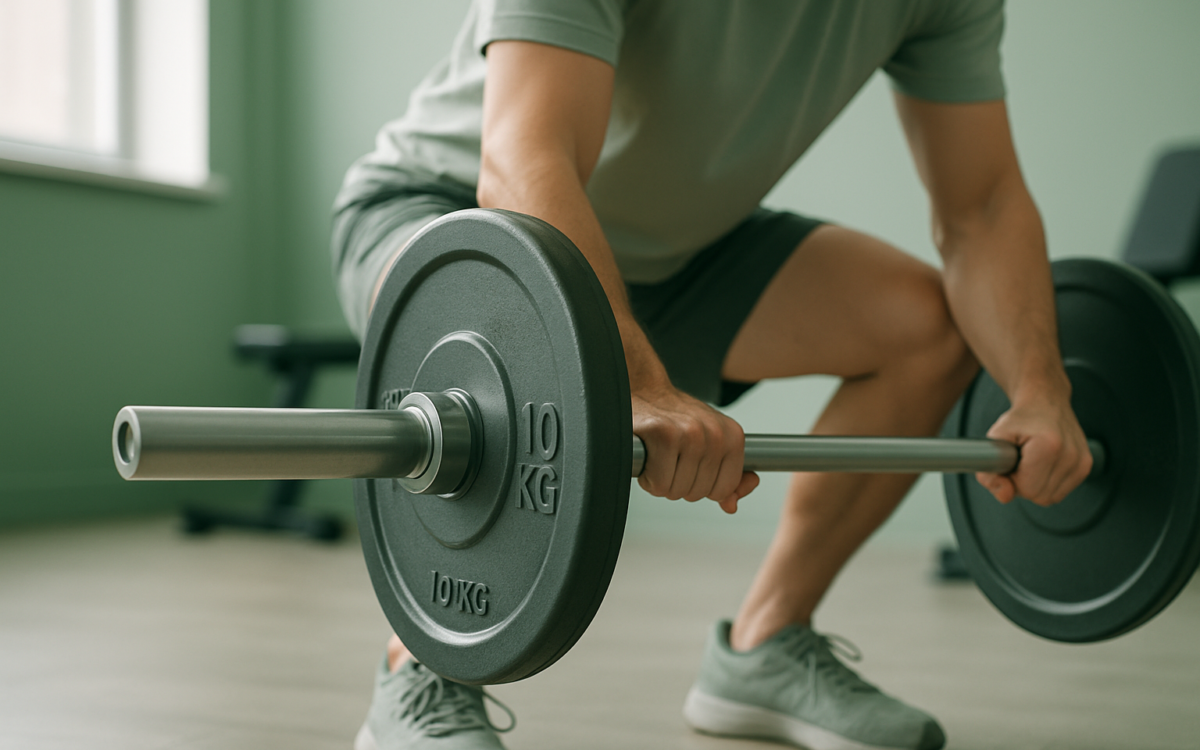
Weight lifting is more than just a way to build muscle; it’s a powerful workout method that can transform your overall health and fitness. Whether you’re a beginner or an experienced lifter, understanding the basics of weight lifting workouts can help you reach your fitness goals.
What Are Weight Lifting Workouts?
Weight lifting workouts, also known as resistance training, involve exercises that use weights to create resistance against your muscles. This form of exercise can include traditional weights like dumbbells and barbells, and even your own body weight in exercises like push-ups or squats.
Unlike cardio workouts that primarily aim to improve endurance, weight lifting focuses on building strength, increasing muscle mass, and boosting metabolism. Engaging in regular weight lifting workouts can help you enhance your physical health in various ways.
Benefits of Weight Lifting Workouts
Incorporating weight lifting workouts into your fitness routine offers a multitude of benefits:
- Increases Muscle Strength: Regular lifting helps improve your overall strength by activating muscle fibers and signaling them to grow. The stronger you get, the easier daily tasks will become.
- Boosts Metabolism: Muscle tissue burns more calories at rest compared to fat tissue. Thus, more muscle means a faster metabolism, which can aid in weight management.
- Supports Bone Health: Weight lifting can help improve bone density, reducing the risk of osteoporosis and fractures as you age. This is particularly important for older adults and postmenopausal women.
- Enhances Mental Health: Studies have shown that weight training can reduce symptoms of anxiety and depression, improve self-esteem, and enhance cognitive function.
Getting Started with Weight Lifting Workouts
If you’re new to weight lifting, it’s essential to start slowly and focus on the right techniques to prevent injury. Here are some tips to get you started:
- Choose the Right Weights: Begin with weights that you can lift comfortably for 8-12 repetitions. As you get stronger, gradually increase the weight.
- Learn Proper Form: Proper technique is crucial. Consider working with a trainer, using instructional videos, or reading up on form to ensure you’re lifting safely.
- Warm-Up and Cool Down: Always start with a warm-up to prepare your muscles and end with cool-down stretches to prevent stiffness.
Creating a Weight Lifting Routine
A structured routine can help you stay consistent and ensure you target all major muscle groups. Here’s a simple outline for a basic weight lifting program:
Beginner Routine:
- Day 1 – Upper Body: Exercises like bench press, bent-over rows, shoulder press, and bicep curls.
- Day 2 – Lower Body: Focus on squats, deadlifts, lunges, and calf raises.
- Day 3 – Rest: Allow muscles to recover and grow.
- Day 4 – Full Body: Combine exercises from both upper and lower body routines.
Start with 2-3 sessions per week, gradually increasing frequency and intensity as your body adapts.
Safety Considerations
While weight lifting is safe for most people, it’s essential to keep a few safety tips in mind:
- Listen to Your Body: Pay attention to how your body feels before, during, and after workouts. If you feel pain (beyond normal muscle soreness), stop and consult a professional.
- Use Equipment Properly: Familiarize yourself with how to use each piece of equipment before starting your workout.
- Stay Hydrated: Drink plenty of water before, during, and after your workouts to keep your muscles hydrated and performing optimally.
When to See a Doctor
If you experience severe pain, swelling, or any discomfort that persists after your workouts, it’s important to seek medical advice. Additionally, if you have a pre-existing condition or are unsure about starting a weight lifting routine, consult your doctor for guidance.
Conclusion
Weight lifting workouts can be an effective way to enhance your strength, improve your overall health, and boost your mental well-being. By starting smart, focusing on proper techniques, and listening to your body, you can unlock the many benefits of weight lifting. For more information on health and physical activities, please visit reputable sources like the NIH or the Mayo Clinic.
