
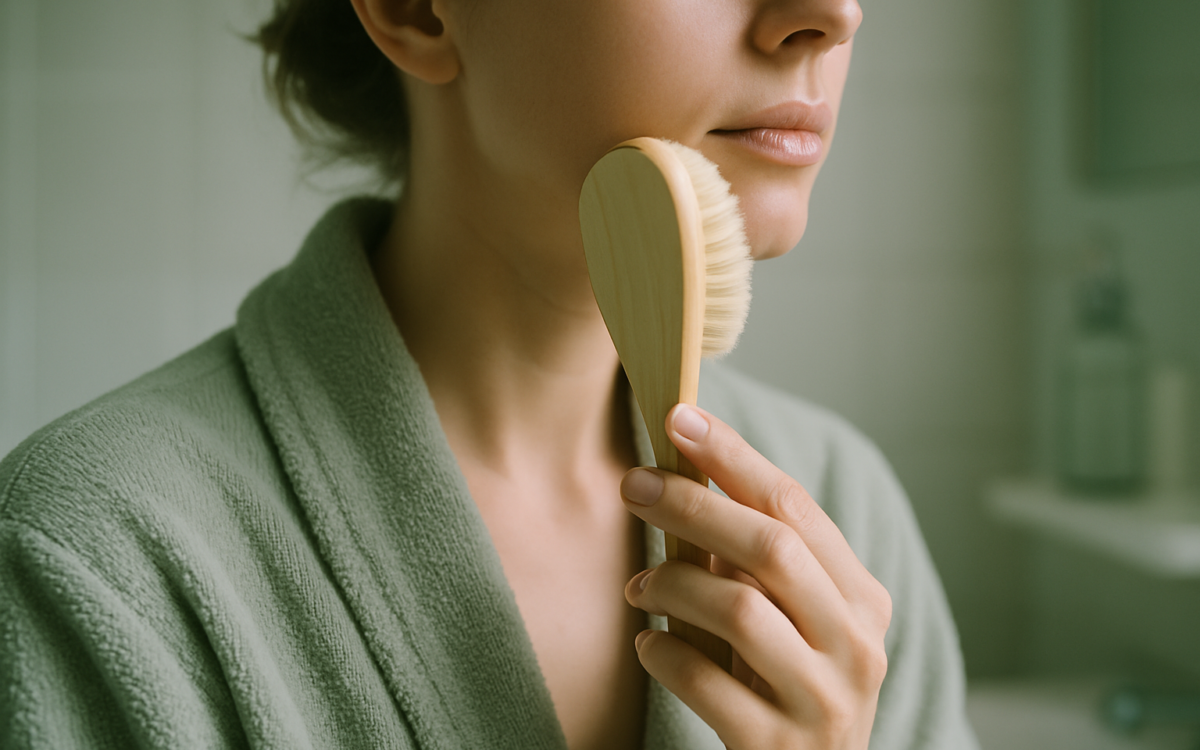
In a world where skincare routines are constantly evolving, face brushes have emerged as popular tools that promise to elevate the quality of our skin. From deep cleansing to gentle exfoliation, these brushes can help us achieve brighter, healthier-looking skin. But with so many options available, how do you know which type of face brush is right for you? In this article, we’ll explore the different types of face brushes, their benefits, and tips for using them effectively.
What is a face brush?
A face brush is a tool designed for applying skincare products or for cleaning the skin. Typically made of soft bristles, these brushes can be used with cleansers, exfoliants, or even makeup. While some prefer using their hands to apply products, face brushes offer unique advantages that can enhance your skincare routine.
Types of face brushes
- Manual face brushes: These are traditional brushes that you hold in your hand. They come in various bristle types, such as synthetic, natural, or silicone. Manual brushes require you to manually apply pressure while cleaning or exfoliating.
- Electric or battery-operated brushes: These brushes often have rotating or vibrating heads that provide a deeper cleanse. They can be effective for removing dirt and oil from pores more thoroughly than manual brushes.
- Silicone brushes: Made from silicone, these brushes are gentle on the skin and easy to clean. They are often used for both cleansing and exfoliating, making them versatile tools.
The benefits of using a face brush
Integrating a face brush into your skincare routine can offer several benefits:
- Effective cleansing: Face brushes can reach deeper into the pores than hands alone, helping to remove dirt, oil, and makeup residue more effectively. This thorough cleansing can help prevent breakouts and promote clearer skin.
- Exfoliation: Many face brushes are designed to gently exfoliate the skin, removing dead skin cells and revealing a brighter complexion. Regular exfoliation can improve skin texture, making it feel smoother and softer.
- Even product application: Using a face brush allows for more even distribution of skincare products. This can enhance the absorption of serums, moisturizers, and treatments, ensuring your skin receives maximum benefits.
- Improved blood circulation: The gentle massaging action of a face brush can stimulate blood flow to the skin, promoting a healthy glow.
How to choose the right face brush
Choosing the right face brush involves considering your skin type and personal preferences. Here are a few tips to help you make the best choice:
- Consider your skin type: If you have sensitive skin, look for brushes with soft bristles or silicone options that won’t irritate your skin. For oily or acne-prone skin, a brush that offers deeper cleansing may be more beneficial.
- Look for versatility: Some brushes come with interchangeable heads that allow you to adjust the intensity based on your needs. This can be helpful for those who want a tool that can adapt to different skincare products.
- Prioritize hygiene: Choose brushes that are easy to clean and dry. This helps prevent the buildup of bacteria, which can lead to skin issues.
- Read reviews: Research consumer reviews and expert opinions to gauge the effectiveness of different brands and models.
Using a face brush safely and effectively
To maximize the benefits of your face brush, it’s essential to use it correctly:
- Start with clean skin: Always cleanse your face before using a brush to avoid pushing dirt further into the pores.
- Use gentle motions: When using a manual or electric brush, apply gentle pressure and use circular motions. Avoid scrubbing too hard, as this can irritate the skin.
- Limit frequency: For most skin types, using a face brush 1-2 times a week is sufficient. Overuse can cause irritation or sensitivity.
- Clean your brush: Regularly wash your face brush to remove product buildup and bacteria. Follow the manufacturer’s instructions for cleaning to ensure the bristles remain in good condition.
When to see a doctor
While face brushes can be beneficial, some individuals may experience irritation or adverse reactions. If you notice persistent redness, swelling, or worsening of skin conditions after using a brush, consult your doctor or dermatologist for guidance. Additionally, if you have specific skin concerns such as eczema or rosacea, it’s best to seek professional advice before incorporating a face brush into your routine.
Conclusion
Face brushes can be a fantastic addition to your skincare arsenal, providing deep cleansing and aiding in product application. By understanding the different types available and how to use them safely, you can unlock their full potential for healthier, more radiant skin. Remember to consult a healthcare professional if you have concerns about your skin or before making significant changes to your skincare regimen.
