
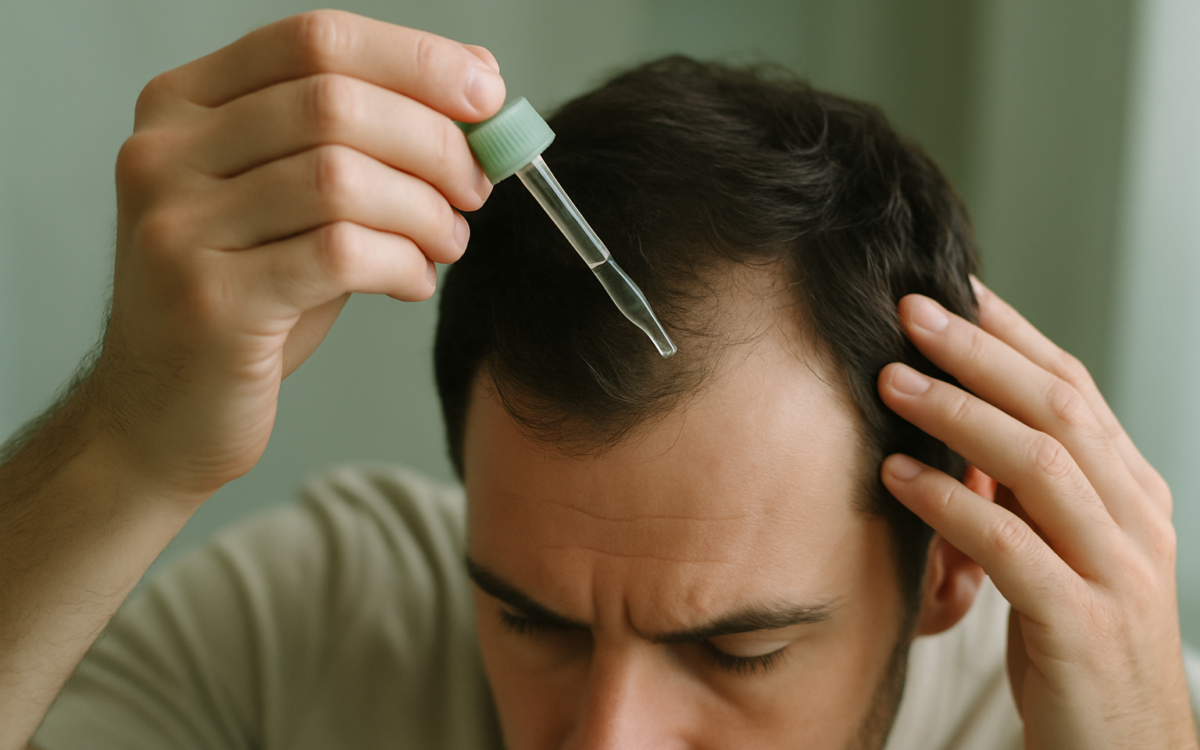
For many men, hair is more than just a style choice; it’s a significant part of their identity. Yet, hair loss and thinning can be distressing and often lead to concerns about self-image. Understanding how to encourage healthy hair growth can help men regain confidence and vitality. This article explores the science behind hair growth, what influences it, and the best ways to promote fuller, healthier locks.
The Science of Hair Growth
Hair growth follows a complex cycle that consists of three main phases: anagen, catagen, and telogen. The anagen phase is when hair is actively growing, while the catagen phase is a transitional stage. Finally, during the telogen phase, hair rests before eventually shedding. For men, hair typically grows at an average rate of about half an inch per month.
Factors Influencing Hair Growth
Multiple factors can impact hair growth in men, including:
- Genetics: Heredity plays a critical role in determining hair density and growth patterns. Conditions such as male pattern baldness, known as androgenetic alopecia, is hereditary and can start as early as the late teens.
- Hormones: Hormonal changes, especially related to testosterone and its derivative, dihydrotestosterone (DHT), can influence hair growth. Elevated levels of DHT can lead to hair thinning.
- Nutrition: A diet lacking essential nutrients can hinder hair growth. Nutrients such as proteins, vitamins, and minerals are crucial for maintaining healthy hair.
- Environment: External factors like pollution, extreme weather, and chemical exposure can negatively impact hair health.
Nourishing Your Hair from the Inside Out
To promote hair growth effectively, it’s essential to focus on nutrition. Here are key nutrients that support healthy hair:
- Protein: Hair is primarily made of keratin, a type of protein. Ensuring adequate protein intake from sources like lean meats, fish, beans, and legumes can promote hair growth.
- Iron: Iron deficiency can lead to hair loss. Including iron-rich foods like spinach, lentils, and red meat can help maintain adequate levels.
- Vitamins: Vitamins A, C, D, and E are vital for hair health. Vitamin C, for instance, helps in the absorption of iron and aids collagen production.
- Omega-3 fatty acids: These beneficial fats, found in fish, flaxseeds, and walnuts, can nourish the hair and promote growth.
Hair Care Practices for Growth
In addition to maintaining a balanced diet, adopting proper hair care routines can significantly impact hair growth:
- Avoid excessive styling: Minimizing the use of heat styling tools and harsh chemical treatments can help prevent damage.
- Gentle grooming: Use a wide-toothed comb to detangle wet hair carefully. Avoid pulling or tugging on hair to minimize breakage.
- Scalp care: Keeping the scalp clean stimulates circulation. Regularly massaging the scalp may enhance blood flow to hair follicles.
Lifestyle Changes for Better Hair Health
Several lifestyle choices can help improve overall hair health:
- Manage stress: High-stress levels can lead to hair loss. Incorporating relaxation techniques such as yoga or meditation can be beneficial.
- Stay hydrated: Drinking enough water supports overall health, including hair health.
- Regular exercise: Physical activity increases blood circulation, which can help nourish hair follicles.
When to Consider Treatment Options
Despite best efforts, some men may still experience significant hair loss. If you notice unusual thinning or bald patches, it may be time to consult with a healthcare professional. Options to consider include:
- Medications: Finasteride (Propecia) and minoxidil (Rogaine) are commonly used treatments for hair loss.
- Hair transplant: In advanced cases, surgical options may provide a more permanent solution.
Consulting a dermatologist or healthcare provider can help determine the best course of action tailored to individual needs.
Conclusion
While hair growth can be influenced by various factors, adopting healthy lifestyle changes and effective hair care practices can make a significant difference. By understanding the science behind hair growth and taking proactive steps, men can enhance their hair health and regain their confidence. Remember, if you have concerns about hair loss, don’t hesitate to reach out to a healthcare professional for personalized advice and treatment options. For more information regarding hair health, check out resources from the NIH, the Mayo Clinic, and the World Health Organization.
