
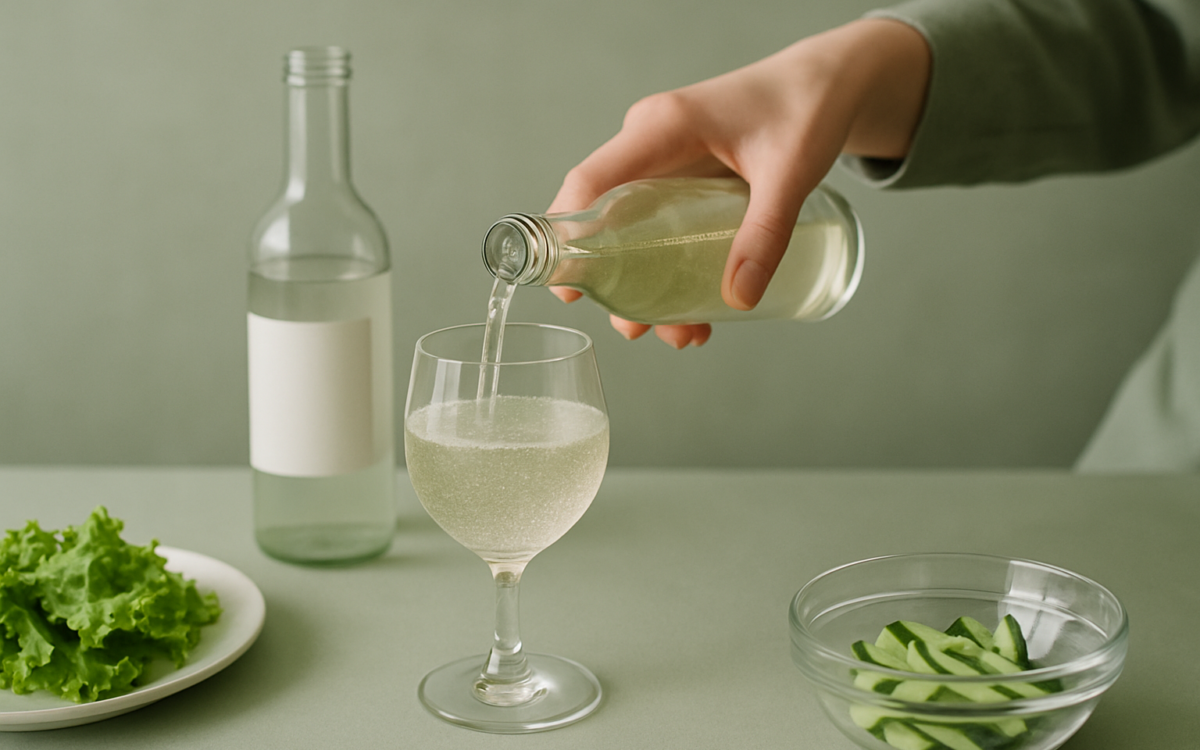
In a world where health consciousness is on the rise, many people are seeking ways to enjoy social occasions without compromising their dietary goals. If you’re watching your weight or simply want to make healthier choices, low calorie alcohol could be a great option. This article explores the various types of low calorie alcohol, their benefits, and how you can enjoy them while maintaining balance in your lifestyle.
Understanding Low Calorie Alcohol
Low calorie alcohol refers to beverages that contain fewer calories than typical options. Traditional alcoholic drinks can pack a hefty calorie punch, largely due to added sugars, mixers, and higher alcohol content. Low calorie options, on the other hand, focus on minimal sugars and lighter ingredients.
Benefits of Choosing Low Calorie Alcohol
Choosing low calorie options can provide several benefits:
- Manageable Caloric Intake: If you enjoy the occasional drink but want to keep your calorie count in check, low calorie alcohol offers delicious options without excessive calories.
- Less Sugar: Many low calorie drinks use natural sweeteners or fewer sugars, making them better for your overall health.
- Variety: The market is filled with a range of low calorie drinks, from light beers to flavored spirits, allowing you to find something you truly enjoy.
Types of Low Calorie Alcohol Options
There are various low calorie alcoholic beverages that you can try. Some popular choices include:
Low Calorie Beers
Light beers are perhaps the most recognized option. Many brands offer beers with 90-110 calories per serving. Common examples include Budweiser Select and Miller Lite.
Spirits with Low Calorie Mixers
Spirits like vodka, gin, and rum are low in calories when mixed with soda water or diet mixers. These combinations often result in drinks under 100 calories.
Wine
Some wines, especially dry white and red varieties, can be lower in calories compared to sweeter wines or cocktails. A 5-ounce serving of dry wine typically ranges from 120-130 calories.
Practical Tips for Enjoying Low Calorie Alcohol
If you’re looking to integrate low calorie alcohol into your social outings, consider these helpful tips:
- Read Labels: Always check the alcohol content and calories listed on the bottle.
- Mind Your Mixers: Choose low-calorie mixers such as soda water, fresh lemon, or lime juice.
- Pace Yourself: Drinking slowly can help you savor your drink and prevent excessive calorie intake.
- Stay Hydrated: Alternate alcoholic drinks with water to stay hydrated and curb your appetite.
Global Trends in Low Calorie Alcohol
As health awareness grows worldwide, the demand for low calorie alcohol is also rising. Countries around the globe are adapting their beverage options to accommodate this trend. For instance, in Turkey, you might find an increase in lighter options and unique low-calorie beverages when seeking treatment in Turkey for drinking-related health issues or lifestyle changes.
When to See a Doctor
If you find that alcohol consumption—regardless of caloric content—affects your health or lifestyle, it’s essential to consult with a healthcare provider. Signs that might indicate a need for help include frequent cravings, trouble controlling drinking, or negative impacts on your physical or mental health.
Conclusion
Choosing low calorie alcohol is a great way to enjoy social occasions while being mindful of your caloric intake. With a variety of options available, you don’t have to sacrifice enjoyment for health. By being informed and making thoughtful choices, you can continue to enjoy your favorite drinks without compromising your dietary goals.
