
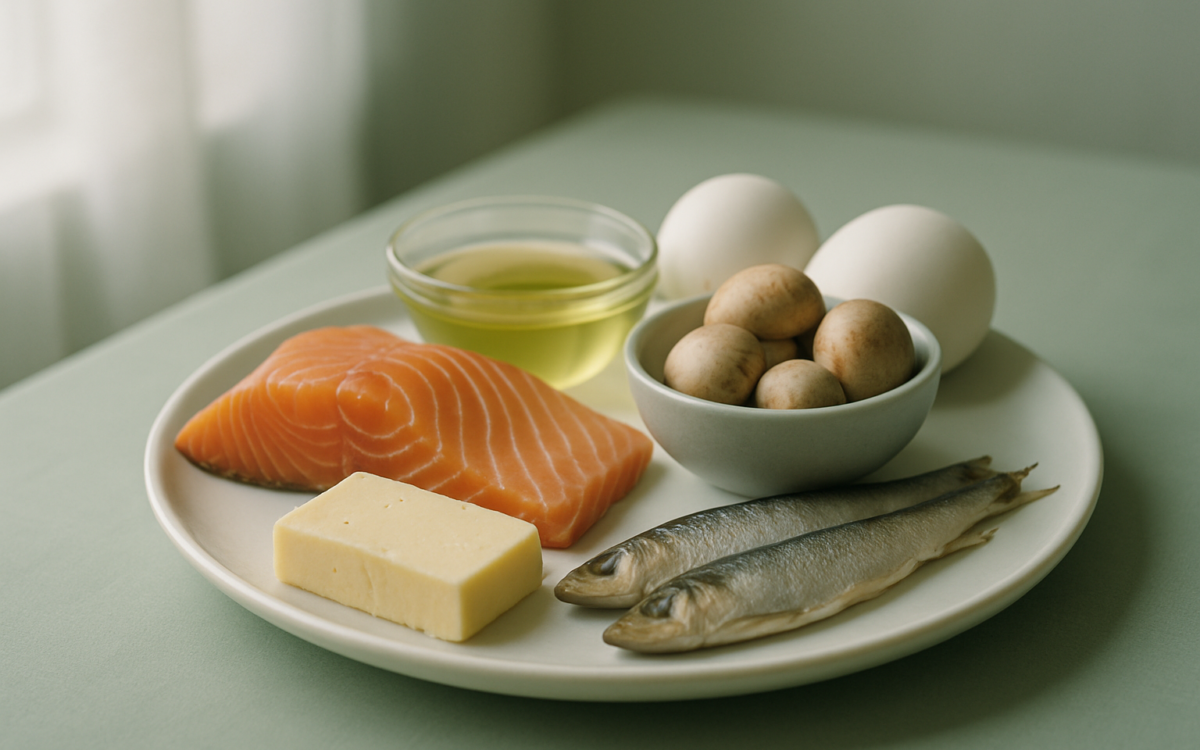
Vitamin D, often called the sunshine vitamin, is an essential nutrient that helps our bodies absorb calcium and promotes bone health. While sunlight exposure is a significant source of vitamin D, many people do not get enough through sunlight alone. So, one of the best ways to ensure adequate levels is through diet. But which foods are rich in vitamin D? Let’s explore some great options.
Understanding Vitamin D
Vitamin D plays a crucial role in numerous bodily functions. It is vital for maintaining healthy bones, supporting immune function, and regulating mood. A deficiency in vitamin D can lead to health problems, including osteoporosis in adults and rickets in children.
Fatty Fish: The Superstar of Vitamin D
One of the richest food sources of vitamin D is fatty fish. Fish such as salmon, mackerel, and sardines not only provide a large dose of vitamin D but also contain omega-3 fatty acids, which are beneficial for heart health. For example:
- Salmon: A 3.5-ounce serving of cooked salmon can provide about 570 IU (International Units) of vitamin D.
- Mackerel: This fish offers about 360 IU per 3.5-ounce serving.
- Sardines: Canned sardines can deliver 270 IU in a typical serving.
Adding these fish to your diet a few times a week can significantly enhance your vitamin D levels.
Other Excellent Animals Sources
Aside from fish, there are other animal-based foods that can boost your vitamin D intake:
- Cod Liver Oil: Just one tablespoon can provide around 1,360 IU of vitamin D.
- Egg Yolks: Each yolk contains about 37 IU. While not as concentrated as fish, eggs can still be part of a balanced diet.
- Beef Liver: This organ meat provides around 42 IU per serving, along with other nutrients like iron and vitamin A.
Including some of these foods can help you reach your daily vitamin D requirements.
Dairy Products and Fortified Foods
Dairy products can also be good sources of vitamin D, especially if they are fortified. Here are some dairy options:
- Milk: Most cow’s milk in the U.S. is fortified with about 120 IU of vitamin D per cup.
- Yogurt: Some yogurts are also fortified, providing a similar amount as milk.
- Cheese: Varieties like Swiss and cheddar contain small amounts of vitamin D, but not enough to rely on solely.
Fortified foods extend beyond dairy. Many breakfast cereals and plant-based milk alternatives, such as almond and soy milk, are often enriched with vitamin D. Always check the label to see if the products you choose include vitamin D.
Exploring Vitamin D in International Cuisines
If you’re considering options beyond traditional Western diets, many international dishes can provide your vitamin D fix. For example, Asian cuisines often include fish dishes that are high in vitamin D, such as mackerel in sushi or grilled salmon in Japanese cuisine. Additionally, Middle Eastern dishes often feature cod liver oil or dairy products like labneh, which can enhance your intake.
For those traveling abroad or looking into international meals, international patient services can help you navigate nutrition options more effectively, ensuring you get enough vitamin D no matter where your culinary journey takes you.
Plant-Based Sources of Vitamin D
If you follow a vegetarian or vegan diet, obtaining vitamin D can be a bit more challenging but is still possible. Some plant-based foods contain vitamin D, specifically D2, which is less potent than the D3 found in animal products. Some options include:
- Mushrooms: Certain types, especially those exposed to UV light, can provide about 450 IU per 3.5 ounces.
- Fortified Foods: As mentioned earlier, many plant milk and cereals are fortified with vitamin D, making them great options for vegans.
Though plant sources may not give you as much vitamin D as animal products, combining fortified foods with sunshine can help maintain healthy levels.
How Much Vitamin D Do You Need?
The amount of vitamin D you need can depend on various factors, including age, dietary habits, and health conditions. The general recommended dietary allowances (RDAs) are as follows:
- Infants (0-12 months): 400 IU
- Children (1-18 years): 600 IU
- Adults (19-70 years): 600 IU
- Older adults (71 years and older): 800 IU
It’s important to consult a healthcare provider to determine the right balance for you based on your lifestyle and any underlying health conditions.
When to See a Doctor
If you suspect that you may not be getting enough vitamin D or if you experience symptoms related to low vitamin D levels, such as fatigue, bone pain, or muscle weakness, it’s a good idea to consult a healthcare professional. They can conduct tests to check your vitamin D levels and provide guidance on supplements or dietary changes if needed.
Maintaining adequate vitamin D levels is crucial for overall health. By being mindful of your dietary choices and perhaps seeking sunlight when possible, you can help ensure your body has what it needs to thrive.
