
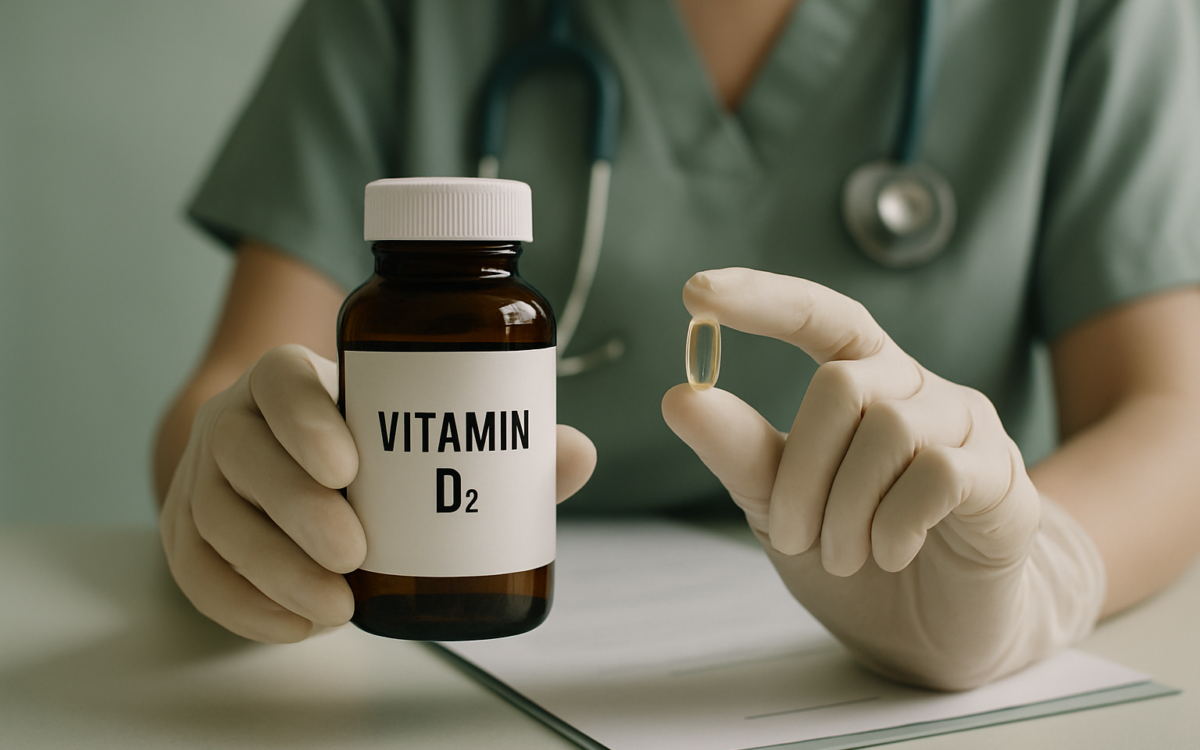
Vitamin D is often referred to as the sunshine vitamin. It’s a crucial nutrient that plays several roles in our health, and among its two main forms, vitamin D2 is particularly important. Whether you are curious about how to acquire enough of this vitamin or want to understand its health benefits, learning more about vitamin D2 can help you make informed decisions for your well-being.
What is Vitamin D2?
Vitamin D2, known scientifically as ergocalciferol, is one of the two primary forms of vitamin D. The other form, vitamin D3 (cholecalciferol), is produced in your skin when exposed to sunlight. While both forms of vitamin D are vital for health, their sources and how they function can differ. Vitamin D2 typically comes from yeast and mushrooms, especially those exposed to ultraviolet (UV) light.
How Does Vitamin D2 Work in the Body?
Once consumed, vitamin D2 is converted in the body to its active form, calcitriol. This active form plays a significant role in regulating calcium and phosphorus in the bloodstream, essential for bone health. Additionally, vitamin D2 also impacts muscle function, immune responses, and cell growth.
Sources of Vitamin D2
Getting enough vitamin D2 is crucial for supporting your health. Here are some common sources:
- Mushrooms: Certain mushrooms, especially those exposed to UV light, are excellent sources of vitamin D2.
- Fortified Foods: Many food products, such as cereals and plant-based milk, often have vitamin D2 added to them.
- Supplements: Vitamin D2 is available as a dietary supplement, often recommended for those who struggle to get enough through their diet.
Although sunlight exposure can boost your body’s vitamin D3 levels, it’s essential to consider adding vitamin D2-rich foods or supplements to your routine, especially in areas with limited sunlight.
The Health Benefits of Vitamin D2
Vitamin D2 offers numerous health benefits:
- Bone Health: It aids in calcium absorption, which is critical for maintaining strong and healthy bones.
- Immune Function: Studies indicate that vitamin D may enhance immune function, potentially helping the body fight off illnesses.
- Mood Regulation: There is emerging evidence suggesting that vitamin D levels can be linked to mood and mental health, potentially reducing the risk of depression.
Incorporating sufficient vitamin D2 into your diet can thus contribute significantly to overall wellness.
What Happens If You Don’t Get Enough Vitamin D2?
A deficiency in vitamin D2 can lead to several health issues. In children, insufficient vitamin D can result in rickets, a condition characterized by weak and soft bones. In adults, a deficiency may contribute to osteomalacia, leading to bone pain and increased risk of fractures. Additionally, lacking adequate vitamin D may negatively affect immune function, increasing susceptibility to infections.
The symptoms of vitamin D deficiency can be subtle and may include fatigue, muscle pain, and a feeling of general malaise. Therefore, it’s advisable to ensure you meet your daily vitamin D needs.
How Much Vitamin D2 Do You Need?
The recommended dietary allowance (RDA) for vitamin D varies by age. The general guidelines are:
- Children (1-18 years): 600 IU (15 mcg)
- Adults (19-70 years): 600 IU (15 mcg)
- Older adults (71 years and older): 800 IU (20 mcg)
Most people can meet their needs through a balanced diet, but some may require supplements. Always check with your healthcare provider to determine the right amount for you.
When to See a Doctor
If you are concerned about your vitamin D levels or experience any symptoms associated with deficiency, it is wise to consult a healthcare professional. They can test your vitamin D levels and provide guidance based on your individual health needs.
Additionally, if you have health conditions that affect nutrient absorption (like Crohn’s disease) or if you are on medications that disrupt vitamin D metabolism, your doctor can recommend appropriate tests and potential supplementation.
In conclusion, vitamin D2 is essential for various bodily functions, including maintaining bone health and supporting the immune system. By ensuring that you consume adequate amounts of vitamin D2 through diet or supplements, you can support your overall health and well-being. Don’t hesitate to reach out to a healthcare provider for personalized advice and to discuss your dietary needs.
