
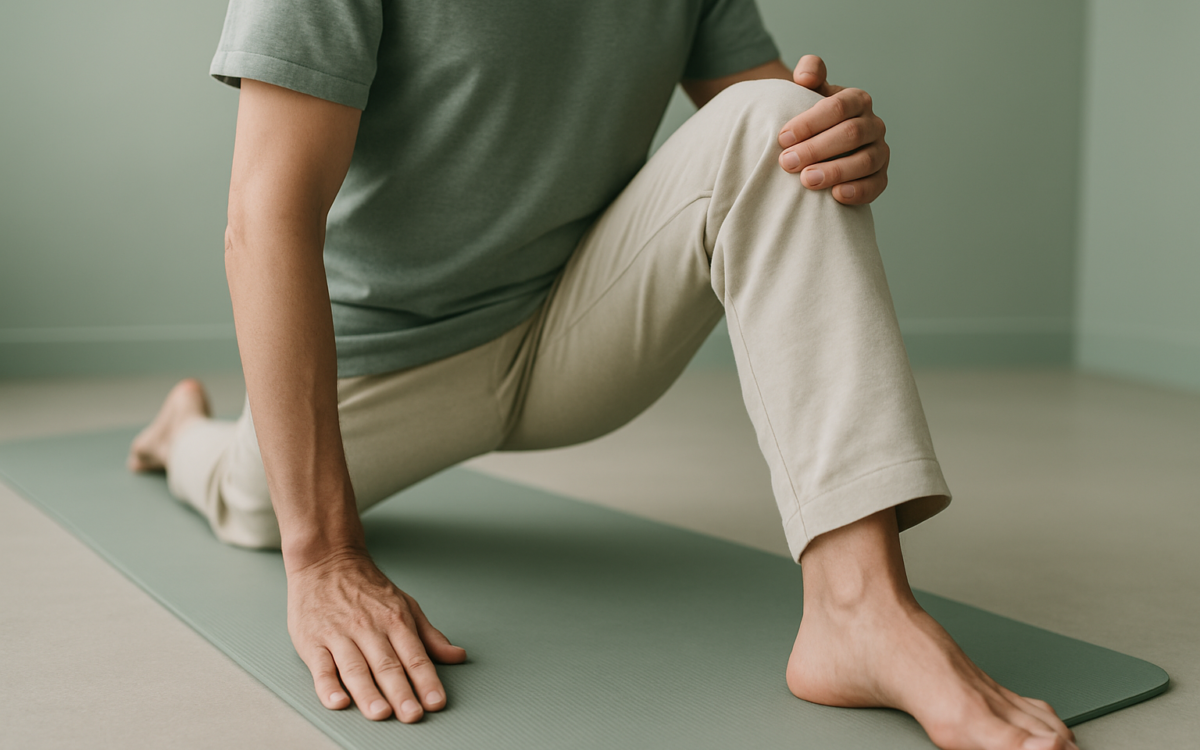
Staying mobile is vital for living a healthy and active life. Mobility affects how well we move throughout our day, influencing everything from simple tasks like bending down to tie our shoes to engaging in more vigorous physical activity. Unfortunately, as we age or due to inactivity, our mobility can decline, making it essential to incorporate specific exercises into our routines. This article explores the best exercises for improving mobility, helping you enhance your quality of life.
Understanding Mobility
Mobility refers to the ability to move freely and easily. Good mobility involves joint flexibility, muscle strength, and balance, allowing for a full range of motion. Many factors can affect mobility, including age, injury, or underlying health conditions. By incorporating mobility exercises, individuals can improve their body’s range of motion and reduce the risk of falls. According to the National Institutes of Health, regular physical activity is crucial for maintaining mobility as we age.
Benefits of Mobility Exercises
- Improved Flexibility: Mobility exercises enhance the length and elasticity of muscles and tendons.
- Increased Strength: Many mobility exercises also engage and strengthen the muscles surrounding joints.
- Better Balance: Regular practice can reduce the risk of injury from falls.
- Pain Relief: Improving mobility may alleviate stiffness and pain in various joints.
- Enhanced Performance: Athletes benefit from improved mobility, leading to better performance in their sport.
Dynamic Stretching
Dynamic stretching involves movement-based stretches that prepare the body for exercise. It is an excellent way to improve mobility and enhance performance. Here are a few dynamic stretches to include in your routine:
Leg Swings
Stand next to a wall for support. Swing one leg forward and back gently to loosen your hip joint. Repeat on both legs for 10-15 swings.
Arm Circles
Extend both arms out to the sides and rotate them in small circles, gradually increasing the circle size. Do this for about 30 seconds, then switch the direction.
Static Stretching
Static stretching involves holding stretches for a set period, typically 15-30 seconds, to improve flexibility. Some effective static stretches include:
Hamstring Stretch
While sitting, extend one leg straight out and bend the other, placing the sole of that foot against the inner thigh of the extended leg. Reach toward your toes on the extended leg to stretch the hamstring.
Quadriceps Stretch
Stand and bring one heel toward your glutes, holding your ankle with your hand. Keep your knees together and feel the stretch in the front of your thigh.
Mobility Drills
Incorporating specific mobility drills can further enhance your joint function and prevent stiffness:
Hip Circles
Stand on one leg and lift the opposite knee to hip height. Rotate your knee in a circular motion, making sure to keep your torso stable. Perform 10 circles in each direction before switching legs.
Cat-Cow Stretch
This yoga movement helps increase flexibility in the spine. Start on all fours, arch your back up (like a cat) and then drop your belly down while lifting your head and tailbone (like a cow). Alternate between these positions for 10 repetitions.
Functional Movement Exercises
To improve mobility in real-life scenarios, focus on exercises that replicate everyday movements:
Squats
Squats build strength and flexibility in the legs and hips. Stand with your feet shoulder-width apart. Lower your body as if sitting back in a chair, keeping your knees over your ankles. Rise back up and repeat for 10-15 repetitions.
Lunges
Lunges enhance hip flexibility and balance. Step forward with one foot, lowering your back knee towards the ground while keeping your front knee above your ankle. Push back to standing and switch legs. Perform 10-15 repetitions on each side.
Balancing Exercises
Improving balance enhances mobility and reduces fall risks. Here are some great exercises:
Single-Leg Stand
Simply stand on one leg for 20-30 seconds, then switch. For added difficulty, try closing your eyes or standing on an uneven surface.
Heel-to-Toe Walk
Walk in a straight line by placing the heel of one foot directly in front of the toes of the other. This exercise helps with stability and coordination.
When to See a Doctor
If you experience persistent pain, injuries, or mobility issues that do not improve with exercise, it may be time to consult a healthcare professional. Conditions such as arthritis or severe stiffness can be signs of underlying health issues that need attention. Always consult your doctor before starting any new exercise program, especially if you have pre-existing health conditions.
Improving mobility is not just about exercise; it’s about enhancing your quality of life. By incorporating the exercises mentioned above, you can unlock your body’s full potential and remain active, engaged, and free to enjoy all that life has to offer. Remember, starting slow and being consistent is key. As you progress, you’ll likely notice improvements in flexibility, strength, and overall well-being.
