
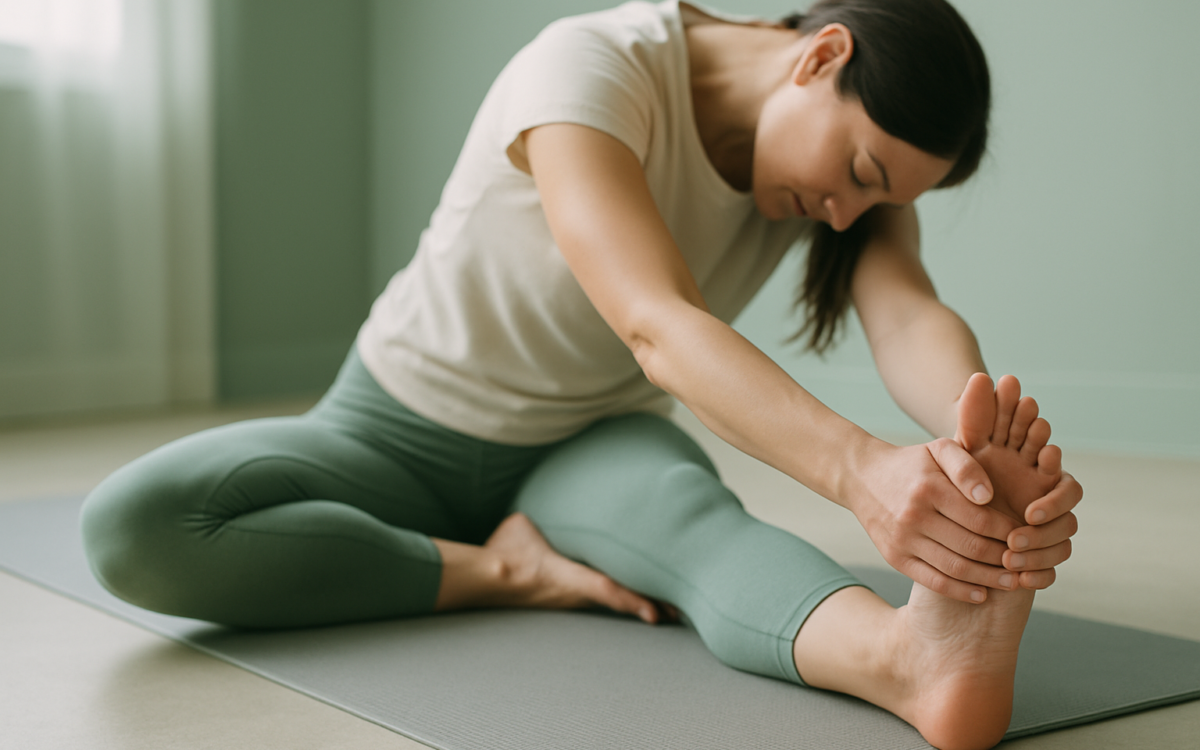
In today’s fast-paced world, many of us spend hours sitting at desks or on couches, leading to tight muscles and limited flexibility. However, increasing flexibility is crucial for overall health and well-being. It improves range of motion, enhances athletic performance, and can help prevent injuries. Whether you’re a seasoned athlete or just beginning your fitness journey, incorporating flexibility exercises into your routine is beneficial for everyone. Let’s explore practical ways to enhance your flexibility.
Understanding Flexibility
Flexibility refers to the ability of your muscles and joints to move through their full range of motion. It varies from person to person and can be influenced by factors such as age, gender, and physical activity. Regular stretching and activities that promote flexibility can lead to improved posture, reduced muscle tension, and even a decrease in stress levels.
Incorporate Stretching Into Your Routine
One of the simplest ways to increase flexibility is through regular stretching. Here are some effective types of stretching you can incorporate:
- Static Stretching: This involves holding a stretch for a period, usually 15-60 seconds. It’s best done after a workout when your muscles are warm. Common static stretches include hamstring stretches and quadriceps stretches.
- Dynamic Stretching: This involves moving parts of your body through their full range of motion. These stretches are particularly good for warming up before activities, such as leg swings and arm circles.
- PNF Stretching: Proprioceptive Neuromuscular Facilitation involves a partner helping you stretch through a series of contractions and releases. This can greatly improve your flexibility when done correctly.
Explore Yoga and Pilates
Yoga and Pilates are excellent ways to boost flexibility, balance, and strength. Both disciplines involve various poses and movements designed to stretch and strengthen the body. Here’s how they can help:
- Yoga: This practice involves postures (asanas) that promote flexibility and relaxation. It targets the major muscle groups and encourages mindfulness. Styles like Hatha or Vinyasa are great for beginners looking to improve flexibility.
- Pilates: Focused on core strength and stability, Pilates includes stretches that improve flexibility. Many Pilates exercises are designed to elongate and strengthen muscles.
Stay Consistent with Your Practice
To truly see improvements in your flexibility, consistency is key. Here are a few tips to help you stay on track:
- Set a Schedule: Dedicate specific days and times to your stretching routines or yoga classes. Just like any fitness goal, regular practice yields the best results.
- Listen to Your Body: Pay attention to how your body feels during stretches. It should feel challenging but not painful. Stop if you feel any sharp pain.
- Use Props: Don’t hesitate to utilize props like yoga blocks, straps, or even a towel to help deepen your stretches and maintain alignment.
Incorporating Flexibility Exercises in Daily Life
Flexibility doesn’t have to come purely from fitness classes or dedicated stretching time. You can incorporate flexibility-enhancing activities into your daily life:
- Simple Stretches Throughout the Day: Take short breaks every hour to perform simple stretches, like neck rolls or desk stretches, especially if you spend a lot of time at a desk.
- Active Commuting: If you walk or bike to work, consider taking routes that require you to engage in natural stretches, like reaching up or bending down.
- Incorporate Sports: Activities such as dancing, martial arts, or swimming can provide both fun and flexibility benefits.
Nutrition and Hydration for Better Flexibility
You might be surprised to learn that nutrition and hydration can also influence flexibility. Here are some key considerations:
- Stay Hydrated: Proper hydration is essential for muscle recovery and maintaining optimal flexibility. Aim to drink enough water throughout the day.
- Anti-inflammatory Foods: Incorporate foods rich in omega-3 fatty acids, like fish and flaxseeds, as well as plenty of fruits and vegetables. These can help reduce muscle soreness and inflammation.
- Protein Intake: Sufficient protein supports muscle repair. Including lean meats, legumes, and dairy in your diet can be beneficial.
When to See a Doctor
If you experience persistent pain, stiffness, or discomfort while stretching or moving, it’s important to consult with a healthcare professional. They can provide guidance on whether your flexibility issues are linked to an underlying condition. You should also seek advice if you have suffered an injury that affects your range of motion.
Increasing your flexibility is a journey that requires patience and practice. By incorporating a variety of stretching techniques, engaging in yoga or Pilates, and making a point to include flexibility-enhancing activities into your daily life, you can improve your overall mobility and health. Remember to listen to your body, stay consistent, and enjoy the process of becoming more flexible!
