
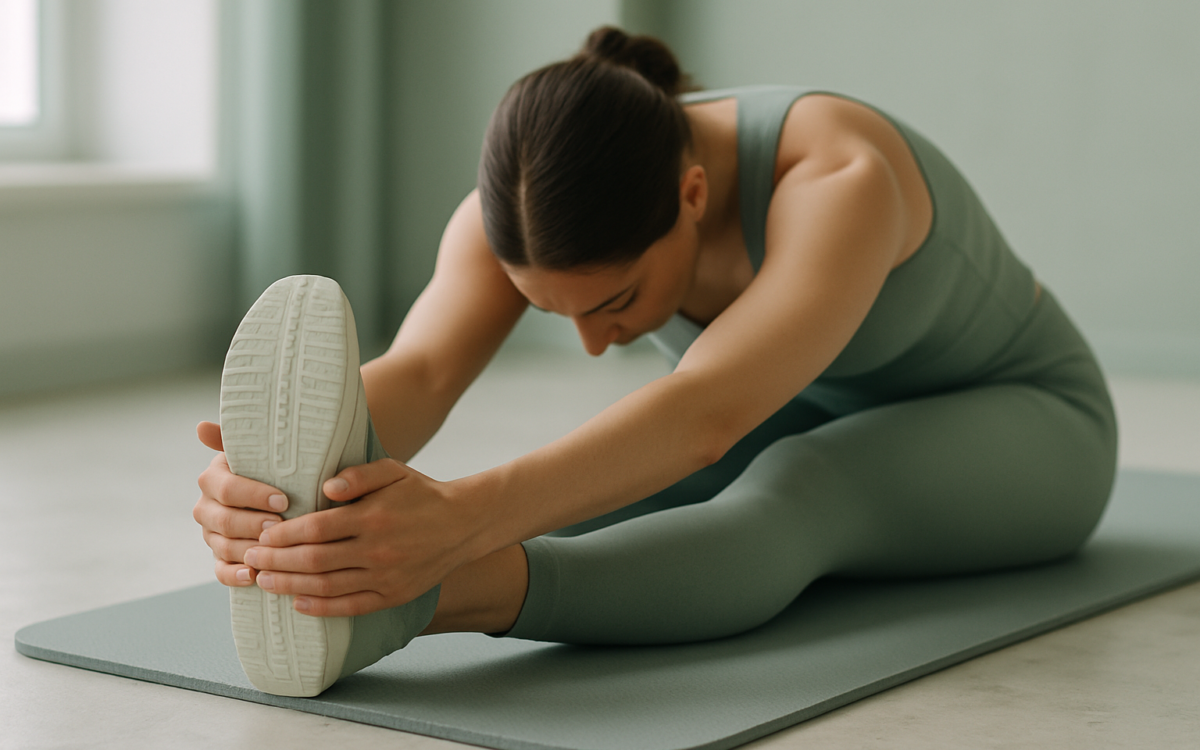
Flexibility is an often-overlooked component of physical fitness, yet it plays a crucial role in overall health. Increased flexibility can enhance athletic performance, help prevent injuries, and even improve posture. While many people think of flexibility as something only dancers or gymnasts need, the truth is that everyone can benefit from a regular stretching routine. Whether you’re a seasoned athlete or someone who simply wants to move with greater ease, incorporating stretches into your daily routine can make a significant difference.
Why Flexibility Matters
Flexibility refers to the range of motion in your joints and muscles. As we age or lead sedentary lifestyles, our muscles can become tight and less responsive. This tightness can lead to discomfort and mount a barrier to physical activity. Enhanced flexibility can:
- Improve athletic performance
- Reduce the risk of injury
- Relieve muscle tension and soreness
- Promote better posture
- Enhance blood circulation
According to the National Institutes of Health, regular stretching contributes to overall flexibility and physical well-being. Now, let’s discover some effective stretches you can easily incorporate into your routine.
Dynamic Stretches for Warm-Up
Dynamic stretching is an active way to increase your flexibility. These stretches involve moving parts of your body and gradually increasing reach and speed. Here are a few dynamic stretches to try before your workout:
Leg Swings
Stand next to a wall or support for balance. Swing your right leg forward and backward for 10-15 repetitions. Then switch to the left leg. This stretch helps loosen the hip joint and increases range of motion.
Arm Circles
Stand with your feet shoulder-width apart. Extend your arms to the sides at shoulder height. Slowly make circles with your arms—start small and gradually make them larger. Do this for about 30 seconds in each direction. This stretch engages your shoulders and upper back.
Static Stretches for Flexibility
Static stretches are typically done after a workout or at the end of the day. They involve holding a position to stretch a muscle or group of muscles. Below are some effective static stretches that can enhance your overall flexibility.
Forward Bend
Stand with your feet together and, with a deep breath, reach upward. Slowly exhale as you bend forward at the waist, reaching for your toes. Keep your knees slightly bent if necessary. Hold this position for 15-30 seconds. This stretch targets your hamstrings and lower back.
Cat-Cow Stretch
Start on your hands and knees in a tabletop position. Inhale, arching your back (the cat position), and look up. Exhale as you round your spine (the cow position) and tuck your chin to your chest. Alternate between these positions for 30 seconds. This stretch increases flexibility in your spine.
Hip Flexor Stretch
Start in a lunge position, with your right foot forward and left knee on the ground. Push your hips forward, keeping your core tight. Hold for 15-30 seconds, then switch sides. This is a great stretch for those who sit often, as it opens up tight hip flexors.
Stretches for Upper Body Flexibility
Flexibility isn’t just about legs and hips; the upper body also benefits from specific stretches. Here are some you can include in your routine:
Chest Stretch
Stand with your hands behind your back, clasped together. Gently pull your arms down and back, expanding your chest. Hold for 15-30 seconds. This stretch opens up the chest and shoulders, relieving tension.
Triceps Stretch
Raise your right arm overhead, bend at the elbow, and use your left hand to gently push your right elbow down for a deeper stretch. Hold for 15-30 seconds, then switch sides. This stretch targets the muscles at the back of the upper arm and shoulders.
Incorporating a Stretching Routine
To reap the benefits of increased flexibility, consistency is key. Here’s how you can create and maintain a stretching routine:
- Schedule it in: Set aside time daily or several times a week for stretching.
- Start slow: If you’re new to stretching, begin with a few basic stretches and gradually incorporate more.
- Listen to your body: Stretch until you feel tension, but never to the point of pain.
- Mix it up: Alternate between different stretches and stretching styles (dynamic and static) to keep your routine fresh.
For more guidance on developing effective fitness routines, consider checking out resources from the Centers for Disease Control and Prevention and other health organizations.
When to See a Doctor
If you experience persistent pain during stretching or have limited mobility that doesn’t improve with regular stretching, consulting a healthcare professional is advisable. Additionally, if you have any underlying conditions such as osteoporosis or injuries that affect your ability to stretch, it’s important to speak with your doctor before starting a new stretching routine.
Conclusion
Improving flexibility is a rewarding journey that can enhance your overall quality of life. Through consistent stretching, you can unlock your body’s potential, prevent injuries, and feel more agile. Start incorporating these stretches gradually, and remember to listen to your body. With time and practice, you’ll likely find movement becomes easier, more enjoyable, and more beneficial than ever.
