
In today’s world, many of us spend hours hunched over screens, leading to poor posture and various musculoskeletal issues. One common problem arising from these habits is anterior pelvic tilt (APT). Recognizing and addressing APT through specific exercises can significantly improve your posture, flexibility, and core strength. This article will guide you through understanding APT and suggest effective exercises to help you regain your natural pelvic alignment.
Understanding Anterior Pelvic Tilt
Anterior pelvic tilt occurs when the pelvis tilts forward, causing an exaggerated curve in the lower back. This misalignment can lead to discomfort and increased strain on the spine and surrounding muscles. Factors contributing to APT include prolonged sitting, a sedentary lifestyle, and muscle imbalances, where some muscles become too tight while others weaken.
Identifying the Symptoms
Identifying anterior pelvic tilt can be straightforward. Common symptoms include:
- Excessive lordosis (curvature of the lower back)
- Lower back pain or discomfort
- Tight hip flexors
- Weak abdominal muscles
- Poor posture
If you notice these signs, it may be time to incorporate exercises that specifically target the muscles involved in pelvic alignment.
Key Exercises to Address Anterior Pelvic Tilt
Exercises that strengthen weak muscles and stretch tight ones can effectively address APT. Below are some effective exercises to consider:
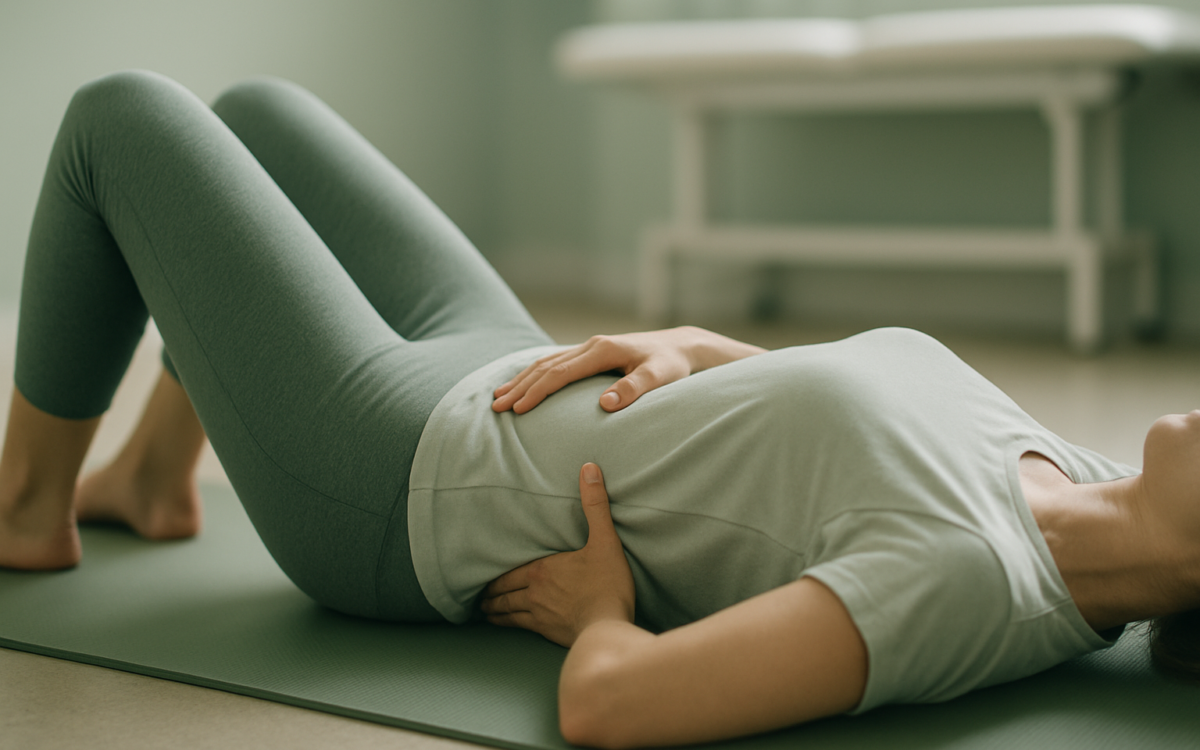
1. Pelvic Tilts
This foundational exercise helps improve awareness of pelvic positioning:
- Lie on your back with your knees bent and feet flat on the floor.
- Gently flatten your lower back against the floor by tilting your pelvis upward.
- Hold for a few seconds, then relax.
- Repeat 10-15 times.
2. Glute Bridges
Glute bridges strengthen the glutes and hamstrings, counteracting hip flexor tightness:
- Lie on your back with your knees bent and feet flat on the floor.
- Raise your hips toward the ceiling, squeezing your glutes at the top.
- Hold for a few seconds before lowering back down.
- Repeat for 10-15 repetitions.
3. Hip Flexor Stretches
Tight hip flexors can result in APT. Stretching them can alleviate tension:
- Kneel on one knee with the other foot in front, creating a 90-degree angle.
- Shift your weight forward slightly while keeping your back straight.
- You should feel a stretch in the hip flexor of the kneeling leg.
- Hold for 20-30 seconds and switch sides.
4. Plank Variations
Planks strengthen the core, crucial for pelvic stability:
- Start in a push-up position, keeping your body straight from head to heels.
- Hold this position for 20-30 seconds, focusing on engaging your core.
- To progress, try side planks or plank variations.
5. Child’s Pose
This yoga pose helps stretch the lower back and hips:
- Start on your hands and knees.
- Gently sit back onto your heels while extending your arms forward.
- Relax in this position for 30 seconds, focusing on breathing deeply.
Incorporating Exercises into Your Routine
To effectively combat anterior pelvic tilt, aim to incorporate these exercises into your fitness routine at least three times a week. Start slowly, focusing on your form and gradually increasing the repetitions as you build strength and flexibility. Additionally, pairing these exercises with regular cardiovascular activities and a balanced diet can enhance your overall health and support your posture.
Maintaining Good Posture Throughout the Day
In addition to exercises, maintaining proper posture while sitting or standing can greatly assist in managing anterior pelvic tilt:
- Ensure that your feet are flat on the ground when sitting.
- Avoid crossing your legs.
- Use an ergonomic chair that supports your lower back.
- Stand tall with your shoulders back and weight evenly distributed.
Consider incorporating reminders or using apps to help you maintain mindfulness about your posture throughout the day.
When to See a Doctor
If you experience persistent pain, discomfort, or stiffness, it’s essential to consult with a healthcare professional. They can help rule out underlying conditions that may require specialized treatment. For more information on posture-related issues and exercises, resources like the National Institutes of Health or the Mayo Clinic can provide further insight.
Conclusion
Anterior pelvic tilt can be an understandable consequence of our modern lifestyle. However, with the right awareness and commitment to specific exercises, you can effectively manage and correct your posture. Start with the exercises outlined in this article and listen to your body as you progress. Remember, if you have concerns about your posture or experience pain, always consult with a healthcare professional for guidance tailored to your individual needs.
