
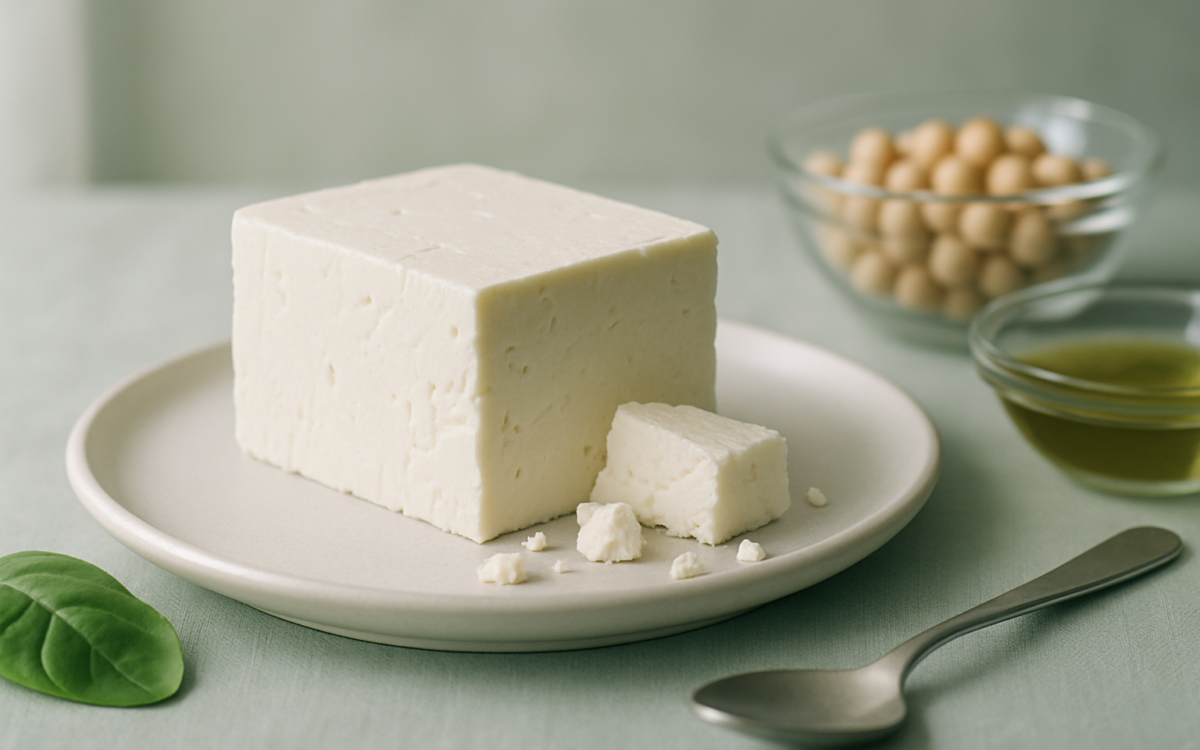
Feta cheese, a crumbly and tangy dairy product from Greece, has won hearts (and taste buds) around the world. This beloved cheese is often a star in salads, wraps, and Mediterranean dishes. Beyond its delightful flavor, feta cheese is also a source of various nutrients that can benefit your health. In this article, we’ll explore what makes feta cheese a popular choice, its nutritional content, health benefits, and how you can incorporate it into your daily meals.
Nutritional Overview of Feta Cheese
Feta cheese is typically made from sheep’s milk or a mixture of sheep and goat’s milk. It has a unique flavor profile and can vary in terms of fat content, depending on the milk used. Here’s a general breakdown of the nutrition you can expect in one ounce (28 grams) of feta cheese:
- Calories: About 75
- Protein: Approximately 4 grams
- Fat: Around 6 grams
- Carbohydrates: Less than 1 gram
- Sodium: About 300 milligrams
- Calcium: Roughly 14% of the Daily Value (DV)
- Vitamin B12: About 10% of the DV
This nutritional profile makes feta cheese a good addition to various diets, especially for those looking for flavorful ways to enhance their meals.
Health Benefits of Feta Cheese
The health benefits of feta cheese go beyond just taste. Here are some potential benefits:
1. Source of Essential Nutrients
Feta cheese is rich in essential nutrients, including calcium and phosphorus, necessary for strong bones and teeth. Calcium plays a vital role in bone health, helping to prevent osteoporosis as we age. Additionally, feta offers a sufficient amount of protein, which is crucial for repairing tissues and maintaining muscle mass.
2. Probiotics and Gut Health
Many varieties of feta cheese are made with cultures that can introduce beneficial bacteria into the gut. Probiotics are known to promote digestive health, enhance immunity, and even impact mood. Including feta in a balanced diet may support a happy gut and overall well-being.
3. Lower Fat Option
Compared to many other cheeses, feta is typically lower in fat. This makes it an appealing option for those seeking to reduce their fat intake while still enjoying cheese. Incorporating feta into dishes can add creaminess and flavor without the calorie load of more fatty cheeses.
Incorporating Feta Cheese Into Your Diet
Adding feta cheese to your meals is both easy and delicious. Here are some creative ideas:
- Salads: Crumble feta over a fresh Greek salad, or mix it into a quinoa salad for a protein boost.
- Sandwiches and Wraps: Spread feta cheese on whole-grain bread or use it as a filling in wraps with veggies.
- Pasta Dishes: Toss feta into pasta dishes for a burst of flavor and creaminess.
- Grains: Mix feta with cooked grains like farro or brown rice along with vegetables.
If you’re considering exploring international treatment options that may include specialized diets or unique uses of cheeses like feta, websites such as acibademinternational.com provide insightful perspectives on health and nutrition.
Potential Risks and Considerations
While feta cheese can be a healthy part of your diet, it is essential to be mindful of a few considerations:
Sodium Content
Feta cheese can be high in sodium due to the brine in which it is often stored. High sodium intake can lead to increased blood pressure and risk of heart disease. If you’re watching your sodium levels, choose moderate portions of feta and balance them with lower-sodium foods.
Lactose Intolerance
Feta cheese, though lower in lactose than some other cheeses, may still pose issues for individuals who are lactose intolerant. If you experience discomfort after consuming feta, you might consider lactose-free alternatives or opt for smaller servings.
When to See a Doctor
If you have specific dietary concerns, allergies, or health conditions that may be affected by cheese consumption, it’s best to consult with a healthcare provider. They can provide personalized guidance based on your individual health needs. Common reasons to consult a doctor include unexplained digestive issues after consuming dairy or significant concerns about sodium intake.
Conclusion
Feta cheese is more than just a tasty ingredient; it’s packed with nutrients that can contribute to a balanced diet. With reasonable portions and thoughtful incorporation into meals, feta can offer flavorful benefits while supporting your health. As with any food, moderation is key, and those with specific dietary restrictions should seek guidance from a healthcare professional.
