
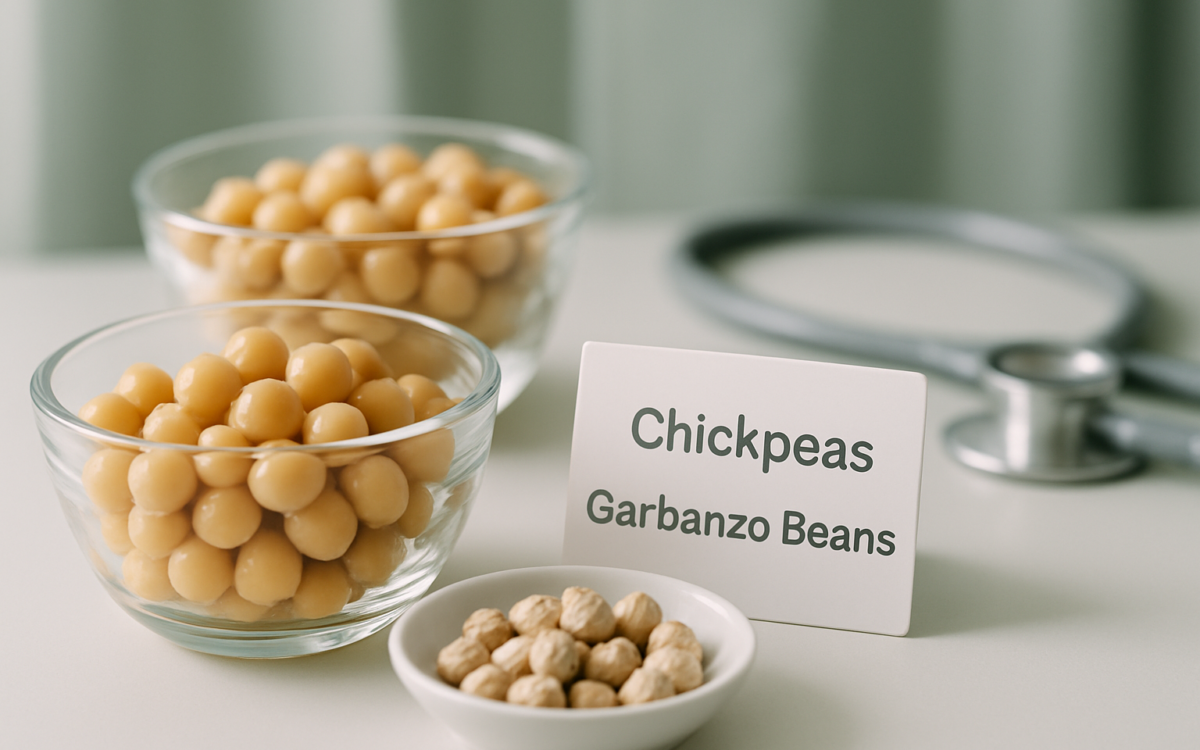
Chickpeas, also known as garbanzo beans, have been a dietary staple in many cultures for thousands of years. They are celebrated not just for their rich flavor, but for their impressive nutritional profile. While many of us use the names chickpeas and garbanzo beans interchangeably, it’s important to understand what makes these legumes special and how they can fit into your diet.
What Are Chickpeas?
Chickpeas are small, round legumes that are beige in color, though they can also be found in black, green, and red varieties. They belong to the family Fabaceae and have been cultivated since ancient times, primarily in the Mediterranean region and the Middle East. Chickpeas are often praised for their versatility and can be found in a variety of dishes, including salads, soups, and the famous Middle Eastern dip, hummus.
Are Chickpeas and Garbanzo Beans the Same?
Yes, chickpeas and garbanzo beans refer to the same legume. The term “garbanzo” originates from Spanish, where it is commonly used in Latin American countries. In contrast, “chickpea” is derived from the Latin word “cicer.” No matter the name, the legume is the same and boasts a wide range of health benefits. The names simply reflect regional language differences.
Nutritional Benefits of Chickpeas
Chickpeas are not only versatile, but they also offer numerous health benefits:
- Rich in Protein: Chickpeas are an excellent source of plant-based protein, making them a popular choice in vegetarian and vegan diets.
- High in Fiber: They contain soluble fiber, which can help regulate blood sugar levels and improve digestion.
- Vitamins and Minerals: Chickpeas provide essential vitamins and minerals such as folate, iron, phosphorus, and magnesium, contributing to overall health.
- Heart Health: The fiber and nutrients in chickpeas may help lower cholesterol levels, reducing the risk of heart disease.
- Weight Management: Because chickpeas are high in fiber and protein, they can promote feelings of fullness, aiding in weight management.
How to Include Them in Your Diet
Incorporating chickpeas into your diet can be fun and simple. Here are some ideas:
- Salads: Add cooked or canned chickpeas to salads for added texture and nutrition.
- Soups and Stews: Chickpeas make a delicious addition to many soups and stews, providing necessary protein and fiber.
- Snacks: Roasted chickpeas can be seasoned and baked for a crunchy, healthy snack.
- Hummus: Blend cooked chickpeas with olive oil, tahini, garlic, and lemon for a delicious dip.
Chickpeas and Global Cuisine
Chickpeas are an incredibly versatile ingredient found in cuisines around the world. From Indian chana masala to Middle Eastern falafel, their adaptability is unmatched. In some cultures, the legume is used for traditional dishes that may also offer health benefits. If you’re considering international treatment or health approaches, such as treatment in Turkey, you’ll likely encounter various dishes featuring chickpeas that are deeply rooted in local culture.
Summary of Health Impacts
While chickpeas and garbanzo beans are indeed the same, their health impacts carry significant weight for those looking to enhance their nutrition. Incorporating these legumes into your meals can help you gain essential nutrients while keeping your diet varied and enjoyable. Furthermore, their heart-healthy properties and potential to aid in weight management make chickpeas a legume worth exploring.
When to See a Doctor
Although chickpeas are generally safe for most individuals, it’s always wise to consult with a healthcare provider before making significant dietary changes, especially if you have underlying health conditions or specific dietary restrictions. If you experience any adverse reactions or digestive issues after consuming chickpeas, seek advice from your doctor.
In conclusion, whether you call them chickpeas or garbanzo beans, the benefits of this nutritious legume are clear. Embrace them in your diet and enjoy their abundant flavors and health benefits as part of a balanced lifestyle.
