
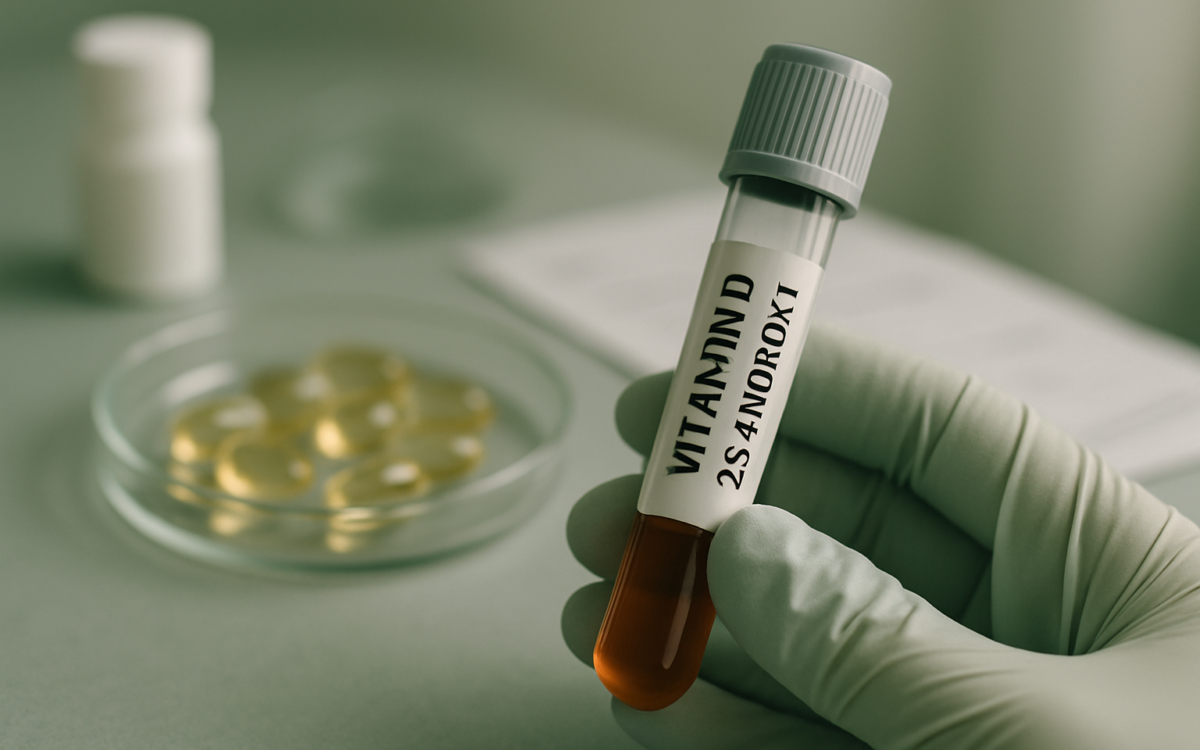
Vitamin D is often hailed as the sunshine vitamin, and for good reason! This vital nutrient helps our bodies absorb calcium, supports our immune system, and plays a key role in numerous other bodily functions. However, many people aren’t aware of the specific form known as 25-hydroxycalciferol, or 25(OH)D, which is crucial for understanding our Vitamin D status. Let’s dive into what 25-hydroxycalciferol is, why it’s important, and how you can ensure you’re getting enough of this essential nutrient.
What is 25-Hydroxycalciferol?
25-hydroxycalciferol is the form of Vitamin D that circulates in your bloodstream. When you consume Vitamin D from food or produce it through skin exposure to sunlight, your body converts it into this form. It’s important because it serves as an indicator of how much Vitamin D is available in your body. When you get a blood test for Vitamin D levels, your healthcare provider is usually measuring the amount of 25-hydroxycalciferol. Levels of this vitamin can inform your doctor about your overall health, potential deficiencies, and the need for supplementation.
The Role of 25-Hydroxycalciferol in the Body
Vitamin D has various roles in maintaining health:
- Bone Health: One of the primary functions of 25-hydroxycalciferol is to help absorb calcium, the key mineral necessary for strong bones. A deficiency can lead to brittle bones and conditions like osteoporosis.
- Immune Support: Vitamin D is essential for an effective immune system. It may help reduce your risk of infections and autoimmune disorders by regulating immune responses.
- Muscle Function: Adequate levels of Vitamin D are necessary for muscle strength and function, which can decrease the risk of falls and fractures in older adults.
These functions underline the importance of monitoring this nutrient, especially if you believe you might be at risk for deficiencies.
Sources of Vitamin D
While the body can produce Vitamin D when exposed to sunlight, there are also dietary sources to consider:
- Fatty Fish: Salmon, mackerel, and sardines are excellent sources.
- Fortified Foods: Many cereals, milk, and plant-based milk alternatives are fortified with Vitamin D.
- Egg Yolks: These contain some Vitamin D, though in smaller amounts compared to fish.
Depending on factors like geographic location, skin pigmentation, and sun exposure, some individuals will need more dietary Vitamin D, especially those living in areas with long winters or little sunlight.
Testing for Vitamin D Levels
If you suspect you have a Vitamin D deficiency, a simple blood test can measure your 25-hydroxycalciferol level. The interpretation of your test results is typically as follows:
- Deficiency: A level below 20 ng/mL is generally considered deficient.
- Insufficient: Levels between 20-29 ng/mL indicate insufficiency.
- Normal: A level of 30 ng/mL or above is considered sufficient for most individuals.
Discuss with your healthcare provider what the results mean for you, particularly if you’re experiencing symptoms like fatigue, bone pain, or frequent infections.
What Happens If You’re Deficient?
A Vitamin D deficiency can lead to a host of health issues, including:
- Bone Weakness: Insufficient Vitamin D can lead to rickets in children and osteomalacia or osteoporosis in adults.
- Increased Risk of Illness: A lack of this vitamin has been linked to a greater susceptibility to infections and chronic diseases.
- Depression and Mood Changes: Some studies suggest that low Vitamin D levels may be linked to mood disorders.
Maintaining healthy levels is crucial for overall wellness, so keep an eye on your intake and consider regular blood tests if you’re at risk.
How to Boost Your Vitamin D Levels
If you find that your levels of 25-hydroxycalciferol are low, here are some strategies to increase your Vitamin D:
- Sun Exposure: Aim for about 10 to 30 minutes of sun exposure a few times a week, but be mindful of your skin type and sun safety.
- Dietary Changes: Incorporate more Vitamin D-rich foods into your meals.
- Supplementation: Depending on the severity of deficiency, supplements may be recommended. Consult your healthcare provider about the appropriate dosage.
As with any health concerns, it’s best to have a thorough discussion with your doctor regarding your specific needs.
When to See a Doctor
If you’re wondering whether your Vitamin D levels are adequate, or if you’re experiencing symptoms that might be linked to deficiency, it’s a good idea to consult your healthcare provider. Symptoms such as persistent fatigue, bone pain, or frequent illnesses can warrant a check of your Vitamin D status. Regular testing may also be advisable for those at higher risk.
Vitamin D in the form of 25-hydroxycalciferol is an essential piece of the health puzzle. When you take steps to monitor and enhance your levels, you are supporting your bone health, immune system, and overall well-being. Stay informed, stay healthy!
