
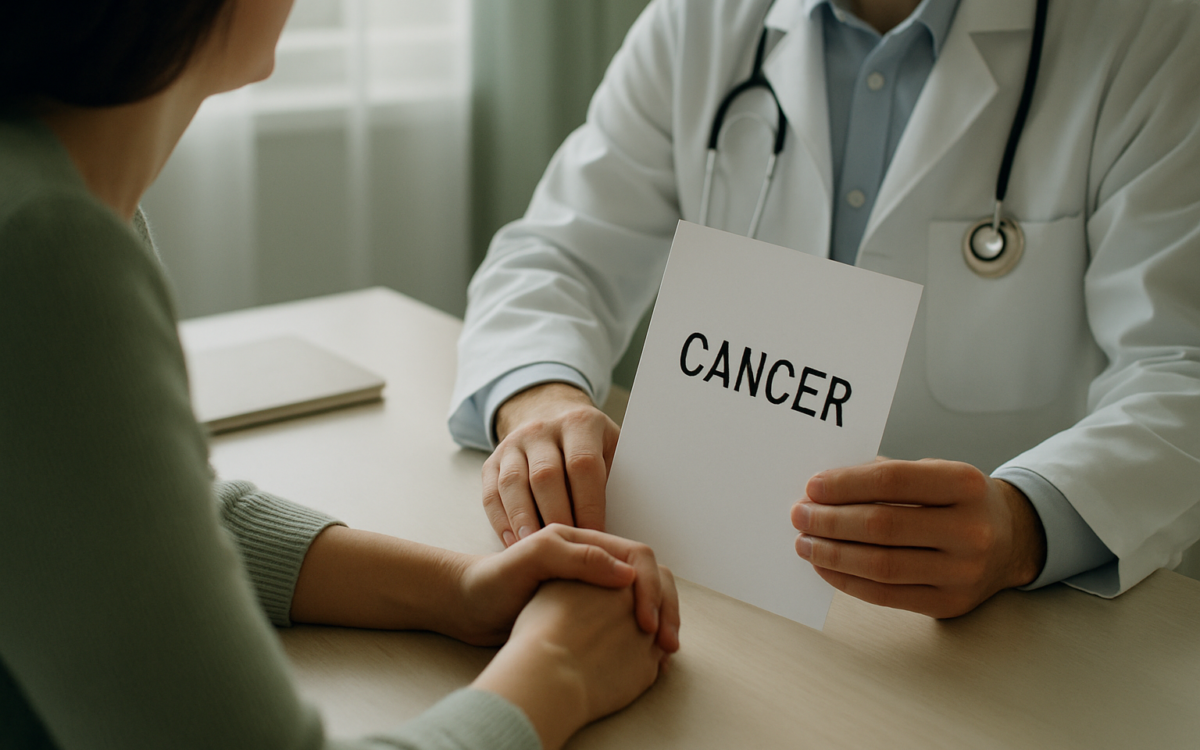
The diagnosis of cancer can be an overwhelming and life-changing moment. Understanding how individuals come to find out they have cancer is important for awareness, early detection, and pursuing appropriate treatments. Whether through routine screenings, self-examinations, or simply due to unusual symptoms, the path to diagnosis can vary significantly from person to person.
Common Symptoms that May Signal Cancer
Cancer can manifest in various ways, and many people might notice symptoms that lead them to seek medical attention. While not every unusual symptom means cancer, being aware of common signs can help in early detection.
- Unexplained Weight Loss: Losing weight without trying can be a red flag.
- Persistent Fatigue: Feeling unusually tired that doesn’t improve with rest.
- Pain: Ongoing pain that doesn’t go away, especially if severe.
- Skin Changes: New moles or changes in existing moles, or jaundiced skin can be significant.
- Bowel or Bladder Changes: Diarrhea, constipation, or changes in urine can be signs.
Routine Screenings and Tests
Many cancers can be detected through routine screenings, often before symptoms appear. These tests are crucial for early diagnosis and can significantly influence treatment outcomes.
Mammograms
For breast cancer, mammograms are recommended for women starting at age 40 or earlier if at higher risk. This X-ray exam can detect tumors that cannot be felt.
Colonoscopies
Colon cancer screenings typically start at age 45. A colonoscopy allows doctors to look for polyps or cancer in the colon and rectum.
Pap Tests
For cervical cancer, Pap tests are performed to detect pre-cancerous changes in the cervix. Women are advised to start these tests at age 21.
The Role of Imaging and Biopsies
If a doctor suspects cancer, imaging tests such as X-rays, CT scans, or MRIs may be ordered. These tests help visualize abnormalities within the body. If something suspicious is found, a biopsy may be performed to determine if cancer cells are present.
Understanding Biopsies
A biopsy involves taking a small sample of tissue to be examined under a microscope. This is the definitive test for cancer. There are different types of biopsies, including:
- Needle Biopsy: A thin needle removes tissue from a suspicious area.
- Endoscopic Biopsy: A small camera is inserted into the body to collect tissue samples.
- Excisional Biopsy: A larger sample may be surgically removed for examination.
Genetic Testing and Family History
Some individuals may learn they are at risk for certain cancers through genetic testing or family history. Genetic predisposition, such as mutations in the BRCA1 or BRCA2 genes, can increase the risk for breast and ovarian cancers.
If there is a strong family history of cancer, genetic counseling can help determine if testing is appropriate. Early knowledge of genetic risks can lead to increased surveillance and preventative measures.
The Emotional Journey
Finding out one has cancer is not only a physical diagnosis but also an emotional journey. People may experience a whirlwind of feelings such as disbelief, fear, and anxiety.
Many find solace in support groups, professional counseling, or open discussions with friends and family. It is essential to address emotional health, as it plays a crucial role in coping with the diagnosis and treatment process.
When to See a Doctor
If you notice persistent or unusual symptoms that concern you, it is crucial to consult a healthcare professional. Being proactive in your health can lead to earlier diagnosis and better outcomes. Regular check-ups and being aware of personal health history are excellent ways to stay ahead.
Conclusion
Understanding how people find out they have cancer is crucial in fostering awareness and promoting early detection. By recognizing symptoms, participating in routine screenings, and being informed about personal and family health histories, individuals can engage in proactive health behaviors. Remember, discussing health changes with a doctor can lead to timely interventions and a better understanding of your well-being.
The journey to discovering cancer is unique for everyone, but awareness and education can empower individuals to take control of their health.
