
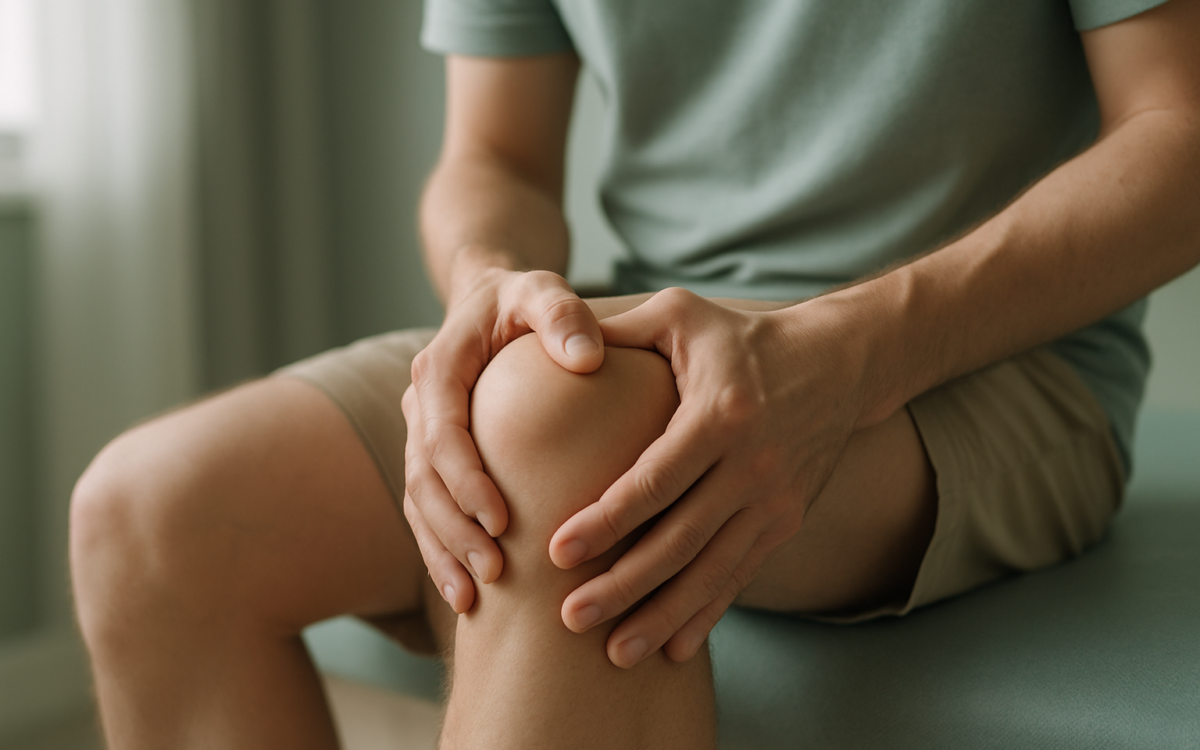
Knee pain can be a frustrating issue, especially when it occurs during something as routine as bending your knee. Whether it’s getting up from a chair, climbing stairs, or exercising, pain in the knee can limit your mobility and make daily activities challenging. In this article, we’ll dive into the common reasons behind knee pain when bending and what you can do about it.
Understanding the Knee Joint
The knee is a complex joint consisting of bones, cartilage, ligaments, and tendons that work together to provide stability and mobility. To better understand why your knee hurts when you bend it, it’s essential to know about its parts:
- Bones: The knee joint is primarily made up of the femur (thigh bone), tibia (shin bone), and patella (kneecap).
- Cartilage: This smooth tissue cushions the bones and helps them move smoothly against each other.
- Ligaments: These strong bands connect bones to each other, providing stability.
- Tendons: Tendons connect muscles to bones, aiding in movement.
With this understanding, we can explore potential issues that may arise with these components leading to pain.
Common Causes of Knee Pain When Bending
There are various reasons why your knee may hurt when you bend it. Here are some of the most common culprits:
1. Osteoarthritis
Osteoarthritis (OA) is the most prevalent form of arthritis and can develop in the knee joint as you age. This condition leads to the deterioration of cartilage, causing pain, stiffness, and swelling. OA symptoms may intensify when you bend your knee, particularly after periods of inactivity or extensive use. According to the National Institutes of Health, it affects millions of people globally.
2. Meniscus Tears
Your knee contains two pieces of cartilage called menisci, which help stabilize the joint and absorb shock. A meniscus tear can occur from twisting the knee or from age-related wear. Bending the knee can result in pain, swelling, and sometimes a ‘catching’ sensation.
3. Ligament Injuries
Injuries to the ligaments around the knee, such as the anterior cruciate ligament (ACL) or posterior cruciate ligament (PCL), can cause pain during bending. These injuries are common among athletes but can happen to anyone. Symptoms typically include swelling, instability, or a feeling of ‘giving way.’
4. Patellofemoral Pain Syndrome
This condition, often referred to as “runner’s knee,” occurs when the kneecap does not move smoothly against the thigh bone. Overuse, injury, or muscle imbalances can lead to pain, especially when bending the knee or climbing stairs. Typical treatment includes rest, physical therapy, and maintaining proper alignment during activities.
Treatment Options for Knee Pain
Finding the right treatment depends on the underlying cause of your knee pain. Here are some general strategies that might help:
- Rest and Ice: Minimizing activities that aggravate the pain and applying ice can reduce swelling and discomfort.
- Physical Therapy: Engaging in tailored exercises can strengthen the muscles around the knee and improve flexibility.
- Medication: Over-the-counter medications like ibuprofen may help alleviate pain and inflammation.
- Injections: Some may benefit from cortisone injections to reduce inflammation in the joint.
- Surgery: In cases of severe damage, such as a torn ligament or extensive arthritis, surgical options may be considered.
For those considering options beyond local care, seeking treatment in Turkey might provide access to advanced techniques and specialists in orthopedics.
Preventing Knee Pain
Preventing knee pain is possible with some proactive measures. Here are a few tips to keep your knees healthy:
- Maintain a Healthy Weight: Excess weight puts extra strain on your knees.
- Stay Active: Regular exercise strengthens the muscles around the knee. Low-impact activities like swimming or cycling can be particularly beneficial.
- Use Proper Technique: Whether exercising or lifting heavy objects, always use good form to reduce stress on your knees.
- Stretch and Warm-Up: Warming up properly before activity helps reduce the risk of injuries.
When to See a Doctor
If your knee pain persists despite self-care, worsens, or affects your ability to perform daily activities, consulting a healthcare provider is crucial. Seek immediate medical attention if you experience:
- Severe pain and swelling
- Inability to move the knee
- Deformity in the knee joint
- Signs of infection, such as fever or redness
Conclusion
Knee pain when bending your knee can stem from various causes, from arthritis to injuries. Understanding your symptoms can help you seek the right treatment and take actionable steps toward relief and recovery. Remember, it’s always wise to consult your healthcare provider if you have concerns about persistent knee pain.
