
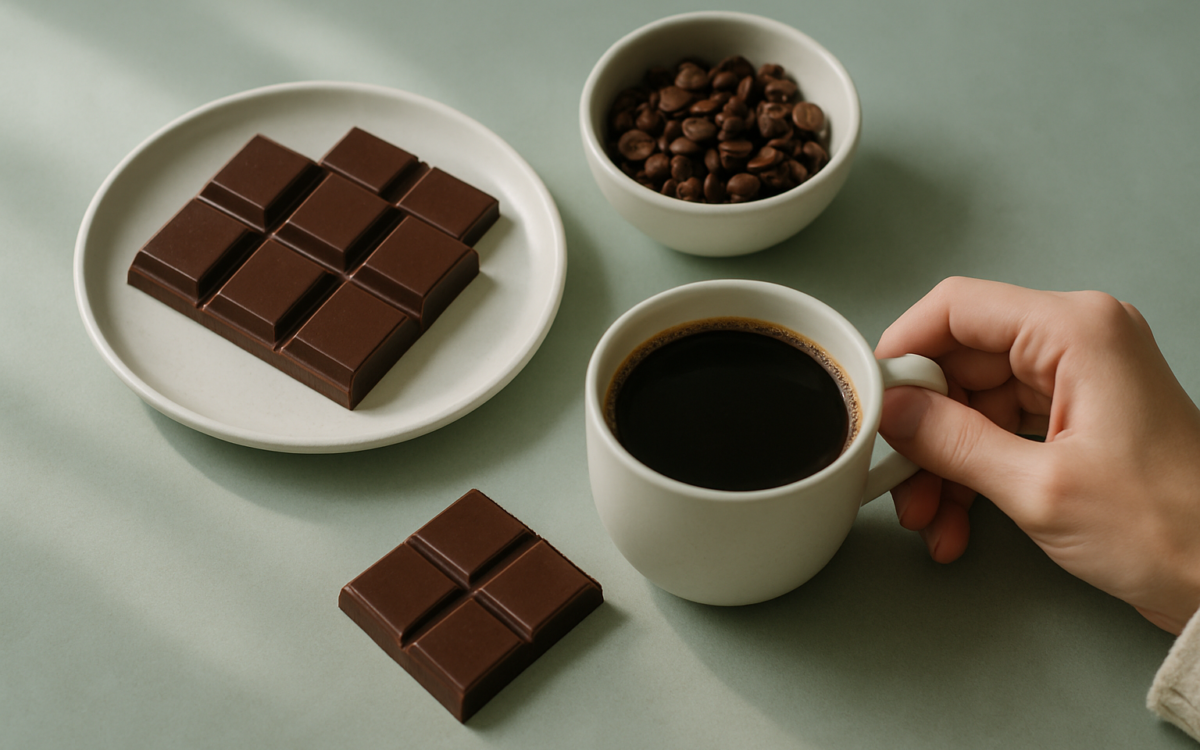
Chocolate has a special place in many of our hearts — and our taste buds. It’s more than just a treat; it has fascinating properties that have intrigued people for centuries. One common question that arises is: does chocolate contain caffeine? To answer this, we’ll dive deep into the different types of chocolate, how much caffeine they contain, and what it means for your health.
Understanding Caffeine
Caffeine is a natural stimulant found in various plants. It’s known for its ability to boost energy, improve focus, and even enhance physical performance. While many people associate caffeine primarily with coffee or tea, it can also be found in many other foods and beverages, including chocolate.
The Cocoa Connection
The primary ingredient in chocolate is cocoa, which comes from cocoa beans. These beans contain theobromine and caffeine, both of which are stimulants. The amount of caffeine in chocolate varies widely depending on the type and quality of the chocolate.
Caffeine in Different Types of Chocolate
Chocolate comes in various forms, each with a different caffeine content:
- Dark Chocolate: Generally has the highest caffeine content among chocolates. Depending on the cocoa percentage, dark chocolate can contain about 30 to 60 milligrams of caffeine per 1 ounce.
- Milk Chocolate: Contains less cocoa than dark chocolate and thus has a lower caffeine level. Typically, milk chocolate has about 10 to 20 milligrams of caffeine per 1 ounce.
- White Chocolate: Made from cocoa butter, sugar, and milk, it does not contain cocoa solids and thus has no caffeine.
- Cocoa Powder: Unsweetened cocoa powder can contain about 15 milligrams of caffeine per tablespoon, making it a more concentrated source than milk chocolate.
As you can see, the darker the chocolate, the more caffeine it generally contains. To understand how this might fit into your diet, consider how much chocolate you consume daily versus how much caffeine you consume from other sources.
Health Implications of Caffeine in Chocolate
For most people, consuming caffeine in moderation poses no major health risks. In fact, some research even suggests that caffeine has health benefits, such as improved cognitive function and a lower risk of certain diseases. According to the National Institutes of Health, moderate caffeine consumption may even be linked to a reduction in the risk of developing conditions such as Parkinson’s disease and certain cancers.
However, for sensitive individuals or those who are pregnant, it’s important to monitor caffeine intake. Too much caffeine can lead to restlessness, insomnia, and increased heart rate. The general guideline is to limit caffeine intake to about 400 milligrams per day for most adults, which equates to about four 8-ounce cups of brewed coffee.
Chocolate and Mood Enhancement
Chocolate is often praised not just for its taste but also for its mood-enhancing properties. This is linked not only to caffeine content but also to other compounds such as phenylethylamine and serotonin. These can promote feelings of happiness and even alleviate stress. While the caffeine in chocolate might give you a brief energy boost, it’s worth considering the other beneficial components it contains, particularly in dark chocolate.
Balancing Chocolate with Your Diet
Incorporating chocolate into your diet can be enjoyable and healthy if done mindfully. Choose higher-quality dark chocolate, which tends to have more antioxidants and less sugar. Remember, moderation is key. Pairing a small piece of dark chocolate with a balanced meal can help you enjoy its flavor without overwhelming your caffeine levels.
If you’re concerned about caffeine from chocolate or how it may affect your overall health, simple adjustments in your diet can help balance your intake. Keep track of your overall caffeine sources, especially if you consume coffee, tea, or energy drinks, alongside your favorite chocolate treats.
When to See a Doctor
If you notice symptoms such as unusual restlessness, heart palpitations, or difficulty sleeping after consuming chocolate, it may be wise to consult with a healthcare provider. They can help you assess your caffeine intake and determine if any dietary changes are necessary based on your personal health needs.
Conclusion
So, does chocolate contain caffeine? Yes, it certainly does, but the amount can vary significantly depending on the type of chocolate you choose. For most people, it’s a delightful treat that offers more benefits than risks when consumed in moderation. Embrace the joy of chocolate with an understanding of its caffeine content, and enjoy the rich flavors and possible health benefits it brings to your life.
