
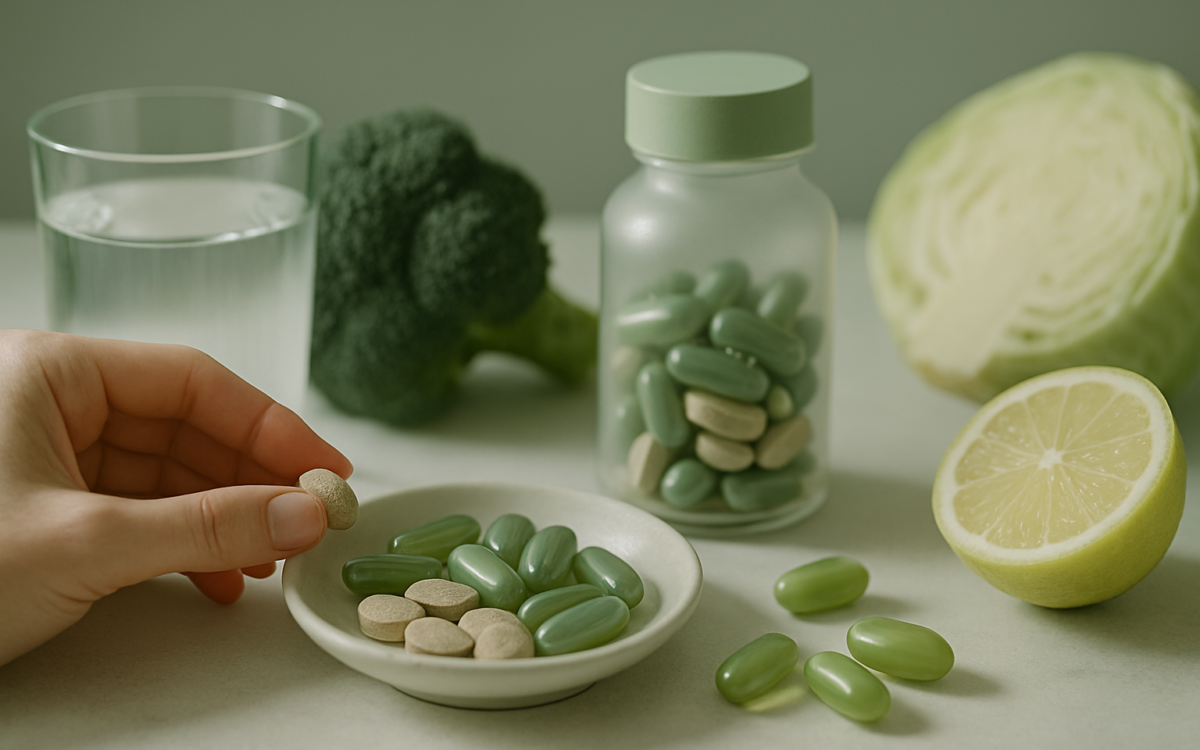
Inflammation is a natural response by your body to protect against injury and infection. However, when inflammation becomes chronic, it can lead to various health issues, including heart disease, diabetes, and arthritis. The good news is that certain vitamins can help manage inflammation and support your body’s healing process. In this article, we will explore key anti-inflammatory vitamins, their benefits, and how they might fit into your diet.
Understanding Inflammation
Inflammation can be classified as acute or chronic. Acute inflammation is your body’s immediate response to injury or infection—think of how a sprained ankle swells up. Chronic inflammation, on the other hand, persists over time and is linked to several long-term illnesses.
While many factors contribute to chronic inflammation, including poor diet and lack of exercise, incorporating specific vitamins into your diet may help reduce inflammation and improve overall health.
Vitamin C: A Powerful Antioxidant
Vitamin C, also known as ascorbic acid, is a water-soluble vitamin that plays a crucial role in the immune system. As an antioxidant, it helps combat oxidative stress, a factor that contributes to inflammation.
Foods rich in vitamin C include:
- Citrus fruits (oranges, lemons, grapefruits)
- Berries (strawberries, blueberries, raspberries)
- Bell peppers
- Broccoli
A diet high in vitamin C has been linked to lower levels of inflammation, making it a beneficial addition to your meals. You can learn more about this vitamin by visiting the NIH website.
Vitamin D: The Sunshine Vitamin
Vitamin D is known as the
