
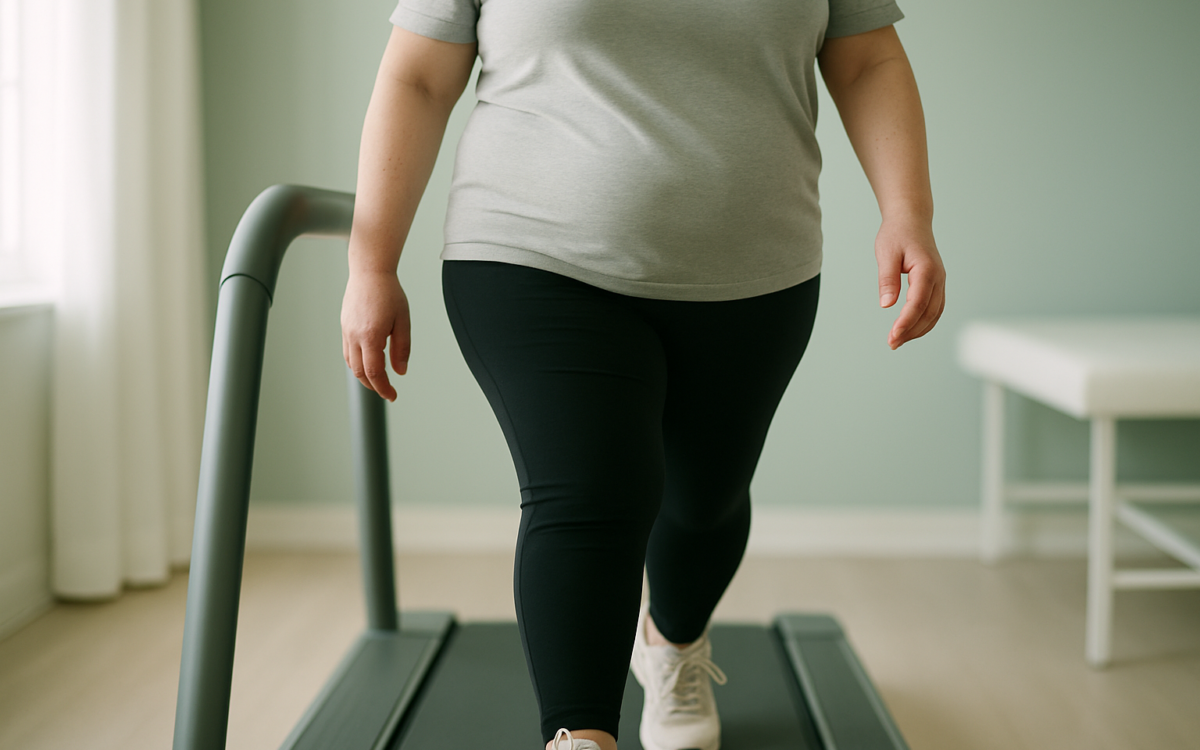
If you’ve been looking for a simple, effective way to shed some pounds and boost your health, you might be surprised to learn that walking can be a game-changer. Walking is not only easy to incorporate into your daily routine, but it also offers numerous benefits beyond just weight loss. Let’s explore how walking can help reduce weight and the additional benefits you can gain from making it a regular habit.
The Basics of Weight Loss
To understand how walking can reduce weight, it’s essential to grasp the basic principle of weight loss: burning more calories than you consume. When you walk, you increase your level of physical activity, which helps to create this calorie deficit. The number of calories you burn depends on various factors, including your weight, walking speed, and the duration of your walk.
Caloric Burn Estimates
On average, a person weighing around 155 pounds (70 kg) burns approximately 140 calories during a 30-minute walk at a moderate pace of 4 miles per hour (6.4 km/h). For those weighing more, the caloric burn can be even higher. Research from the National Institutes of Health indicates that regular walking can significantly contribute to weight loss, especially when combined with a balanced diet.
Setting Realistic Walking Goals
Success in weight loss through walking begins with setting achievable goals. Instead of aiming for a drastic change, consider starting with small, manageable goals. Here are a few tips for setting your walking goals:
- Start Slow: If you’re new to exercise, start with just 10 to 15 minutes of walking per day and gradually increase the duration as you become more comfortable.
- Be Consistent: Aim for at least 150 minutes of moderate-intensity walking each week, spread out over several days. This aligns with guidelines from the World Health Organization.
- Track Your Progress: Keep a journal or use an app to log your walking distance and time. This can motivate you and help you stay on track.
Enhancing Your Walking Routine
To maximize weight loss benefits, consider making a few adjustments to your walking routine:
- Increase Intensity: Incorporate brisk walking or add intervals by alternating between a fast and slow pace. This approach can boost your heart rate and increase caloric burn.
- Add Variety: Change your walking routes or explore different terrains, such as hills or parks. This not only keeps things interesting but can also challenge your body in new ways.
- Incorporate Strength Training: Combine walking with strength exercises a few times a week. This can help build muscle, which burns more calories even at rest.
Health Benefits Beyond Weight Loss
Walking is not just a tool for weight management; it offers a wealth of health benefits as well:
- Improved Mood: Regular walking is associated with reduced symptoms of anxiety and depression. Physical activity releases endorphins, which can enhance your mood.
- Better Heart Health: Walking helps improve cardiovascular health by lowering blood pressure and cholesterol levels, contributing to overall heart health.
- Enhanced Mobility: As a low-impact exercise, walking strengthens bones and muscles, promoting freedom of movement and reducing the risk of falls.
The Importance of Proper Footwear
While walking is a simple activity, wearing the right shoes can significantly enhance your experience. Invest in comfortable, supportive walking shoes that fit well. Look for shoes with good cushioning and arch support to prevent injuries and make your walks more enjoyable.
Also, remember to ensure that your shoes are appropriate for the walking surface you choose. Whether it’s a smooth pavement, a nature trail, or a treadmill, having the right footwear is crucial.
When to See a Doctor
If you have pre-existing health conditions, experience pain while walking, or have concerns about starting a new exercise routine, consult your healthcare provider. They can give personalized advice based on your health needs. Additionally, if you notice excessive weight loss or other concerning symptoms unrelated to your exercise routine, it’s important to seek medical care.
Conclusion
Walking can be a powerful, enjoyable way to reduce weight and improve your overall health. By incorporating walking into your daily routine, setting realistic goals, and remaining consistent, you can make significant strides toward better wellness. Remember, every step counts, and whether you’re walking for weight loss or other health benefits, you’re making a positive choice for your body and mind.
