
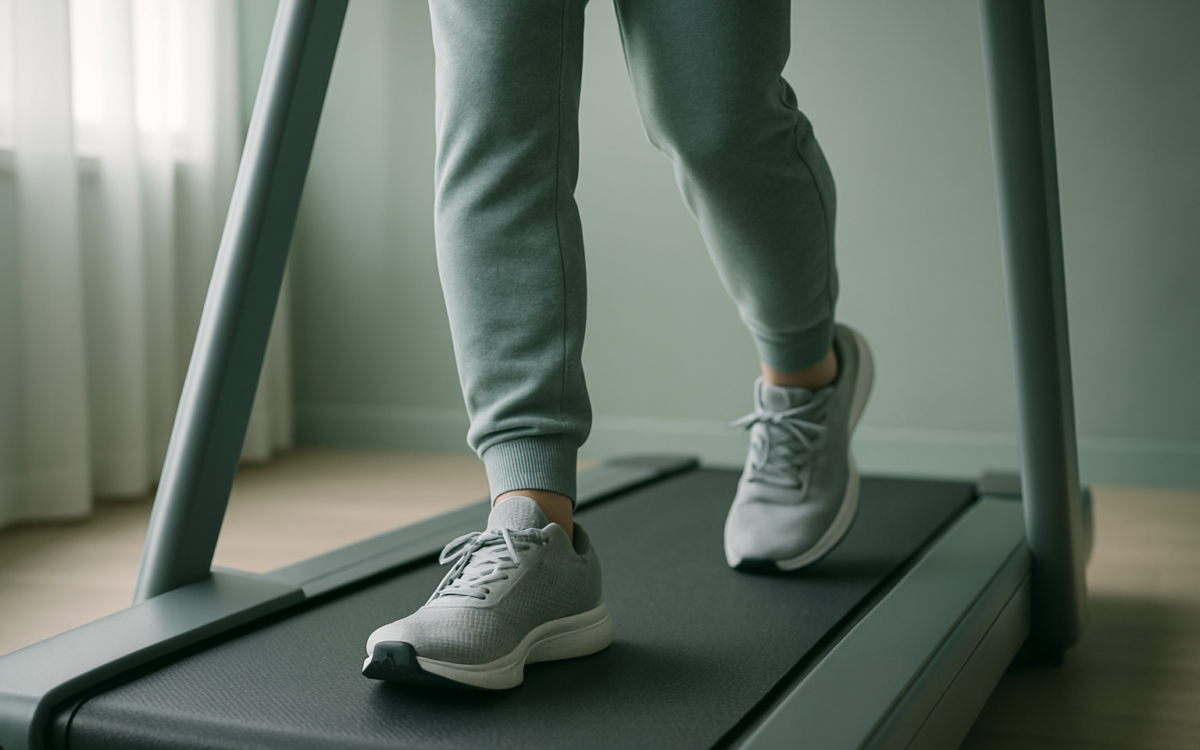
Walking is one of the simplest and most accessible forms of exercise. Whether you’re aiming to improve your fitness, enjoy the outdoors, or even explore new areas, walking can offer a plethora of benefits. But if you’ve ever wondered just how long it takes to walk 10 miles, you’re not alone! In this article, we’ll explore the factors that influence walking time, give you tips for preparing, and share some additional insights on this popular activity.
Understanding your walking speed
The time it takes to walk 10 miles can vary greatly depending on your walking speed. On average, most people walk at a pace of around 3 to 4 miles per hour. At these speeds, a 10-mile walk would take approximately:
- 2.5 to 3.3 hours at 4 miles per hour
- 3.3 to 4 hours at 3 miles per hour
It’s important to note that these speeds can fluctuate based on a number of different factors, including your physical fitness level, terrain, and even the weather. If you are a casual walker, you might find yourself closer to the lower end of the speed scale, while seasoned walkers or those who are in better shape may hit closer to 4 miles per hour.
Factors that affect walking time
Several factors can influence how long it takes to walk 10 miles. Being aware of these can help you plan your walk more effectively.
Fitness level
Your fitness level plays a significant role in your walking speed. If you walk regularly, your body adapts and becomes more efficient over time, allowing you to cover distances quicker.
Terrain
Where you walk can make a big difference. Walking on flat, paved surfaces is generally easier and faster than trekking over hills, rocky paths, or unpaved trails. Adjust your time expectations based on the type of terrain you’re navigating.
Weather conditions
Weather can also affect your pace. Gusty winds, heavy rain, or extreme temperatures can slow you down. Consider these factors when planning your walking duration!
Personal health
Health conditions, including injuries and chronic illnesses, can impact your speed. If you have any concerns regarding your walking ability or speed, it may be beneficial to consult a healthcare provider.
Preparing for your 10-mile walk
Preparation can make all the difference in how enjoyable your 10-mile walk is. Here are some tips:
- Wear the right shoes: A good pair of walking shoes can prevent blisters and help support your feet. Choose shoes that fit well and offer adequate cushioning.
- Stay hydrated: Bring water with you to keep yourself hydrated, especially on warm days. Dehydration can lead to fatigue and reduced performance.
- Time your walk: Consider your personal schedule and the time it might take you. Morning or late afternoon walks often provide the best conditions.
- Set a goal: Whether it’s to finish in a certain time or simply to complete the distance, having a goal can motivate you.
- Listen to your body: Start slow, and gradually increase your pace as you feel comfortable. Take breaks as needed!
If you’re considering traveling for health reasons or seeking specialized training, you may want to explore international patient services that can guide you through fitness programs in various locations.
Health benefits of walking
Walking isn’t just a way to reach a destination; it offers numerous health benefits:
- Enhances cardiovascular health: Regular walking strengthens the heart, improving blood circulation.
- Boosts mental well-being: Walking can elevate your mood and reduce feelings of anxiety and depression.
- Helps with weight management: Walking burns calories and can support healthy weight management.
- Builds strength and endurance: As you walk longer distances, you develop muscular strength in your legs and improve your endurance.
According to the Centers for Disease Control and Prevention (CDC), regular physical activity, including walking, is vital for maintaining overall health.
Setting a routine
If you’re keen on incorporating 10-mile walks into your regimen, it may be best to start with shorter distances and gradually build up. Consistency is key!
Consider tracking your progress with a walking app or a fitness tracker. These tools can provide motivation and help you set targets.
Walk with others
Joining a walking group or finding a walking partner can enhance your experience. Socializing while exercising can make the time pass more quickly and can help keep you accountable.
Mix it up
To prevent boredom, try varying your walking routes. Walking in different environments, like parks or urban centers, can provide new scenery and keep your walks engaging.
When to see a doctor
Before starting any new exercise routine, particularly if you have pre-existing health conditions, it’s wise to consult your healthcare provider. Pay attention to your body: if you experience pain or discomfort while walking, consider seeking professional advice.
Conclusion
Walking 10 miles can be a rewarding challenge and a great way to improve your health. Whether you’re aiming to enhance your fitness or simply enjoy the outdoors, understanding the factors that affect your walking speed and preparing properly can lead to a more enjoyable experience. By paying attention to your body and setting reasonable goals, you can make every 10-mile walk a fulfilling part of your fitness journey.
