
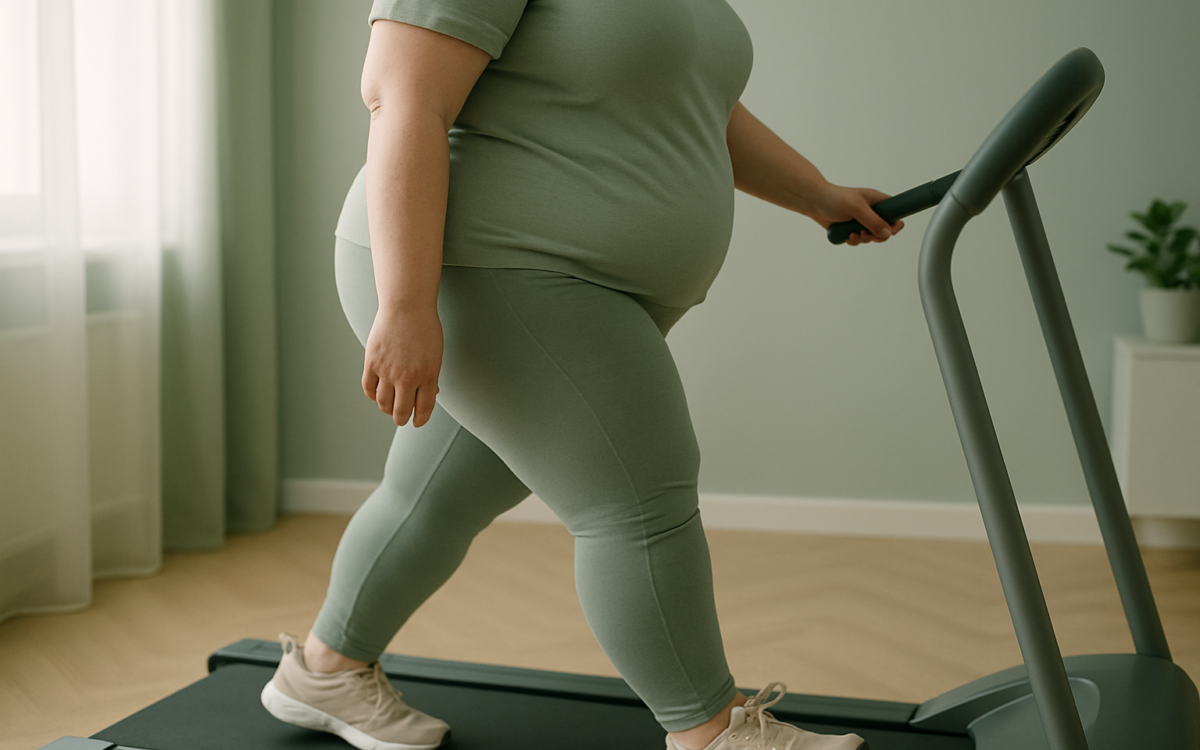
Many people wonder whether walking is effective for weight loss. The good news is that walking is a straightforward and accessible form of exercise that can play a crucial role in shedding extra pounds. This article explores how walking can aid in weight loss, the science behind it, and tips to get started.
Understanding Weight Loss Basics
To lose weight, you need to burn more calories than you consume. This principle is often referred to as the calorie deficit. When you engage in physical activity, such as walking, your body uses energy, which contributes to this calorie deficit. Hence, incorporating regular walking into your routine can help you achieve this goal.
How Walking Affects Calories Burned
Walking can burn a significant number of calories, depending on various factors such as your weight, walking speed, and duration. For example, a person weighing 160 pounds may burn approximately 314 calories by walking briskly for an hour, while someone weighing 200 pounds might burn around 391 calories. These numbers can vary, but walking consistently can help increase the total number of calories burned over time.
The Role of Intensity and Duration
The intensity and duration of your walks can significantly impact their effect on weight loss. Walking at a moderate pace for an extended period is beneficial. Aim for at least 150 minutes of moderate-intensity walking each week, which aligns with guidelines from the Centers for Disease Control and Prevention (CDC). This translates to about 30 minutes a day, five days a week.
Additional Health Benefits of Walking
Beyond weight loss, walking can offer a range of health benefits. Regular walking can improve cardiovascular health, strengthen bones, and enhance mental well-being. Studies have shown that those who walk regularly might experience reduced risk of chronic diseases such as diabetes and heart disease. Enhancing your overall health can motivate you to stick with your walking routine, supporting weight loss efforts in the long run.
Tips to Maximize Your Walking Routine
To make the most of your walking routine, consider these tips:
- Find a Pace That Works for You: Whether it’s a leisurely stroll or a brisk walk, choose a pace that feels comfortable while still keeping your heart rate up.
- Incorporate Variety: Change your walking routes or incorporate different terrains to keep things interesting and challenge your body.
- Add Strength Training: Consider combining walking with other exercises, like strength training, to maximize your weight loss efforts.
- Use Proper Footwear: Comfortable shoes can help prevent injuries and make walking more enjoyable.
- Set Goals: Track your progress and set specific, achievable goals to stay motivated. Apps or pedometers can be helpful.
Walking Safely
While walking is generally safe for most people, it’s essential to listen to your body. If you experience pain or discomfort while walking, it may be time to consult a healthcare provider. Additionally, be mindful of your surroundings, especially when walking outdoors, and consider walking with a friend for added safety.
When to See a Doctor
If you have any existing health conditions, or if you have been inactive for a long time, consult your doctor before starting a walking program. They can provide personalized advice tailored to your specific circumstances. Additionally, if you experience pain, difficulty breathing, or other unusual symptoms while walking, seek medical attention.
In conclusion, walking can be a valuable tool in your weight loss journey. It is accessible, easy to incorporate into daily life, and comes with numerous additional health benefits. By incorporating regular walking into your routine, you can move toward your weight loss goals while improving your overall health and well-being.
