
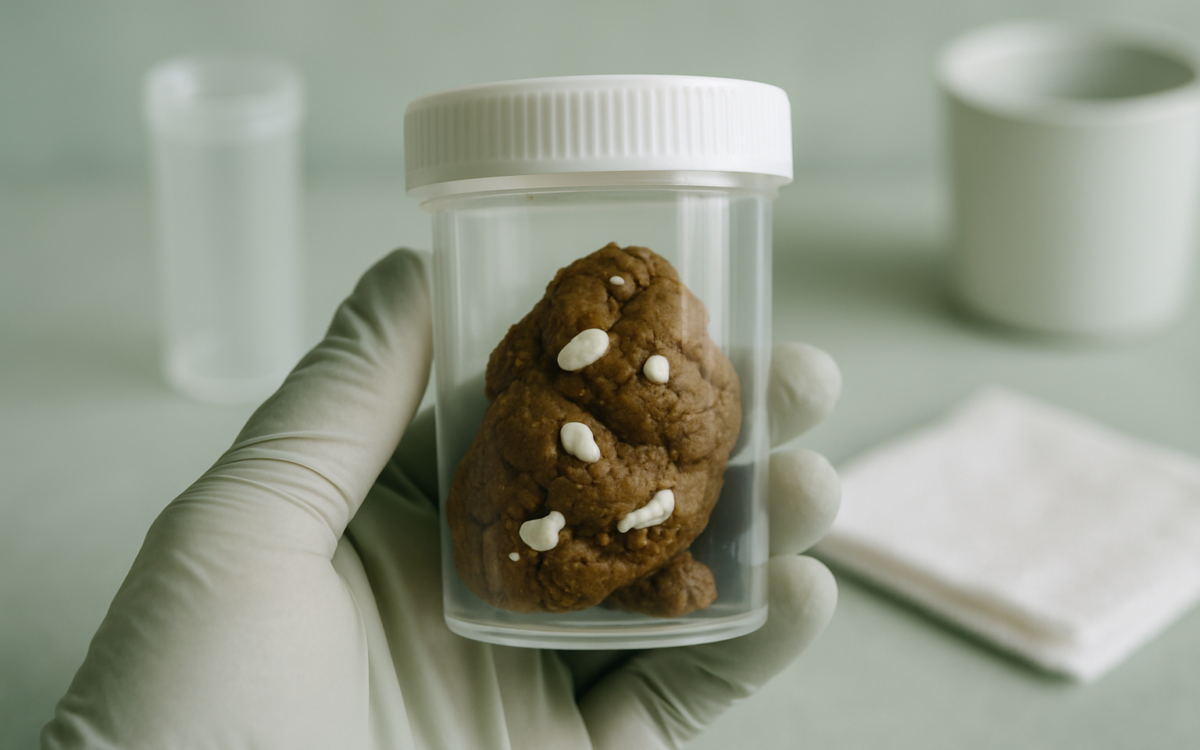
Many of us don’t like to talk about it, but poop can reveal a lot about our health. We often take a closer look at our stool than we might want to admit, especially when something seems off. One common concern is noticing white stuff in poop. While it can be alarming, understanding what this might mean can help you navigate your health better.
Common Causes of White Stuff in Poop
White or pale substances in your stool can come from several different sources. The most common causes include:
- Dietary Factors: Foods rich in fat, such as butter or cheese, can sometimes cause pale or greasy stools. A diet lacking fiber can also lead to changes in stool consistency.
- Medications: Certain medications, particularly those that affect fat absorption, can lead to pale stools. This includes some weight-loss drugs and medications containing bismuth subsalicylate, like Pepto-Bismol.
- Infections: Some intestinal infections, particularly those caused by parasites, can generate unusual mucus or white streaks in your stool.
- Fat Malabsorption: Conditions like celiac disease or chronic pancreatitis can interfere with how your body absorbs fats, potentially leading to white or pale stools. This can indicate poor nutrient absorption.
Understanding Mucus in Stool
One type of white material you might notice is mucus. Mucus is a normal part of the digestive system, playing a role in lubricating the intestines. However, an increase in mucus can occur due to several reasons:
- Gastrointestinal Conditions: Inflammatory bowel diseases (IBD) like Crohn’s disease or ulcerative colitis can lead to high mucus production as the body responds to inflammation.
- Anxiety or Stress: Stress can dramatically affect your digestive system, leading to increased mucus and other symptoms like diarrhea or constipation.
- Infections: Gastroenteritis caused by viruses or bacteria can also increase mucus levels as your body attempts to cleanse itself.
What Role Do Intestinal Parasites Play?
This might sound scary, but parasites are another potential cause of white substances in your stool. Conditions like giardiasis, caused by the Giardia parasite, can lead to unusual stool appearance, including white or pale substance. In these cases, other symptoms often accompany the change in stool, including:
- Diarrhea
- Gas and bloating
- Fatigue
- Weight loss
If you’ve traveled recently or have other symptoms of infection, it’s essential to consider the possibility of parasitic infection and consult your healthcare provider.
Is It a Sign of a More Serious Condition?
While many cases of white stuff in poop are benign and temporary, some could indicate more serious health issues. Here are a few conditions that warrant particular attention:
- Biliary Obstruction: A blockage in the bile duct, possibly due to gallstones or tumors, can lead to pale stools since bile, which gives stool its brown color, won’t be present.
- Liver Disorders: Conditions affecting liver function, such as hepatitis or cirrhosis, can also result in pale stools due to impaired bile production.
- Pancreatic Problems: Issues with the pancreas, like pancreatitis or tumors, can affect the body’s ability to digest fats properly, leading to pale or white stool.
When to See a Doctor
While it can be easy to dismiss occasional changes in your stool, certain signs should prompt a visit to a healthcare professional. You should consider seeing a doctor if you notice:
- White or pale stools persisting for more than a few days
- Accompanying symptoms such as abdominal pain, fever, or unexplained weight loss
- Any signs of dehydration, such as reduced urination or excessive thirst
- Changes in stool accompanied by notable digestive issues
Getting a professional diagnosis can help you better understand the underlying causes of your symptoms and lead to appropriate treatment.
Conclusion
Noticing white stuff in your poop can feel alarming, but understanding what it means can provide clarity. While dietary choices and benign factors often cause these changes, some situations warrant medical attention. When in doubt, consult with your doctor to ensure you stay on top of your digestive health. For more reliable information on digestion and health, consider visiting trusted sources like the NIH or the Mayo Clinic.
