
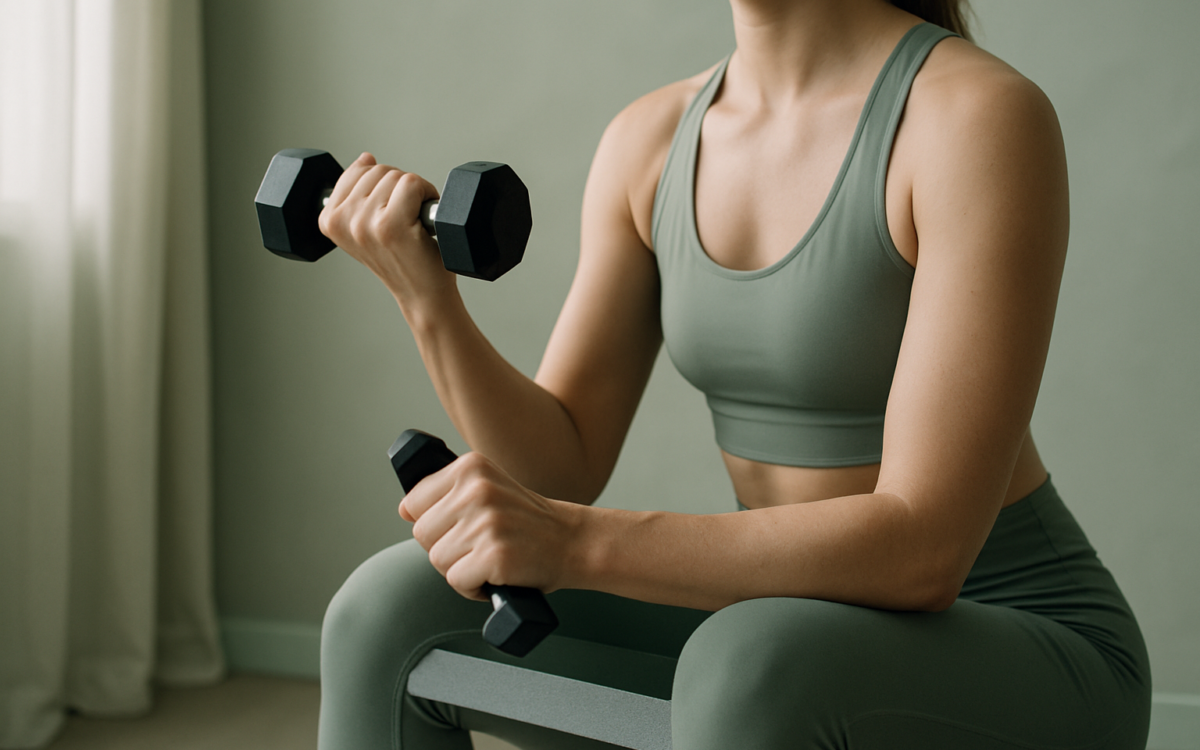
In today’s fast-paced world, women are constantly juggling multiple roles and responsibilities. Finding time for fitness can be challenging, but incorporating resistance training into your routine can yield tremendous health benefits. Whether you’re new to exercising or are looking to enhance your existing workout, resistance training is a powerful tool for building strength, improving overall health, and empowering women of all ages.
Understanding Resistance Training
Resistance training, also known as strength training or weight lifting, involves exercises that make your muscles work against a weight or force. This can include using free weights, resistance bands, or your own body weight. The goal of resistance training is to increase muscle strength and endurance, which can lead to various health benefits.
The Benefits for Women
Resistance training offers a host of benefits specifically for women, including:
- Improved Muscle Strength: As women age, muscle mass naturally decreases. Resistance training helps combat this decline, allowing you to maintain and even build muscle strength.
- Bone Health: Women are at a higher risk for osteoporosis, particularly after menopause. Weight-bearing resistance exercises can increase bone density, reducing the risk of fractures and breaks (NIH).
- Enhanced Metabolism: Increasing muscle mass through resistance training can boost your resting metabolic rate, helping you burn more calories even when not exercising.
- Improved Mental Health: Exercise, including resistance training, has been shown to reduce symptoms of anxiety and depression. It can also enhance mood and increase feelings of well-being.
- Increased Functional Strength: Everyday activities become easier with improved strength, making tasks such as lifting groceries or playing with kids feel more manageable.
- Body Confidence: Building strength and muscle can greatly improve body confidence and self-image, promoting a positive relationship with your body.
Getting Started with Resistance Training
If you’re ready to dive into resistance training, here are some essential tips to get started:
1. Consult a Healthcare Professional
Before starting any new exercise program, it’s wise to consult with your doctor, especially if you have existing health conditions or concerns.
2. Choose the Right Equipment
You don’t need a gym membership to begin resistance training. Many effective exercises can be performed using bodyweight or affordable equipment like dumbbells and resistance bands.
3. Start Slow and Focus on Form
Focus on mastering form before increasing weights. Gradually incorporate more challenging exercises as you become comfortable.
4. Create a Balanced Routine
Incorporate exercises that target all major muscle groups: legs, arms, back, and core. A well-rounded program improves overall strength and decreases the risk of injury.
5. Allow for Recovery
Rest is critical in strength training. Ensure you give your muscle groups 48 hours to recover before working them again.
Resistance Training: The Right Frequency
The American College of Sports Medicine recommends that adults engage in resistance training at least two days a week, targeting all major muscle groups. Adjust the frequency based on your fitness level and ensure you listen to your body. Some women may choose to train three to four times weekly, while others may prefer two sessions with an added focus on cardiovascular exercise.
Common Myths About Resistance Training for Women
There are several myths regarding resistance training that may deter women from participating:
1. Women will get bulky
Many women worry that lifting weights will lead to a bulky physique. In reality, women typically have lower testosterone levels, making it difficult to achieve a bulky appearance. Instead, resistance training generally helps women develop a toned, strong body.
2. Strength training is only for athletes
Resistance training is for everyone, regardless of fitness level. Activities can be tailored to fit individual capabilities.
3. Cardio is all you need
While cardio is essential for heart health, a well-rounded fitness program includes resistance training for optimal health benefits.
When to See a Doctor
While resistance training is generally safe, it’s crucial to consult a doctor if you experience any of the following:
- Unexplained pain or discomfort during exercise
- Symptoms of injury, such as swelling or inability to move a joint
- Changes in your overall health that may be related to exercise
Always remember that your health and well-being are paramount. Regular check-ins with a healthcare provider can ensure you are on the right path.
Conclusion
Resistance training is not just for athletes or bodybuilders; it’s an essential component of a balanced fitness routine for women of all ages. By embracing the strength-building benefits of resistance training, you’ll empower yourself physically and mentally, paving the way for a healthier, stronger future. So grab some weights, start small, and watch as you unlock your full potential!
