
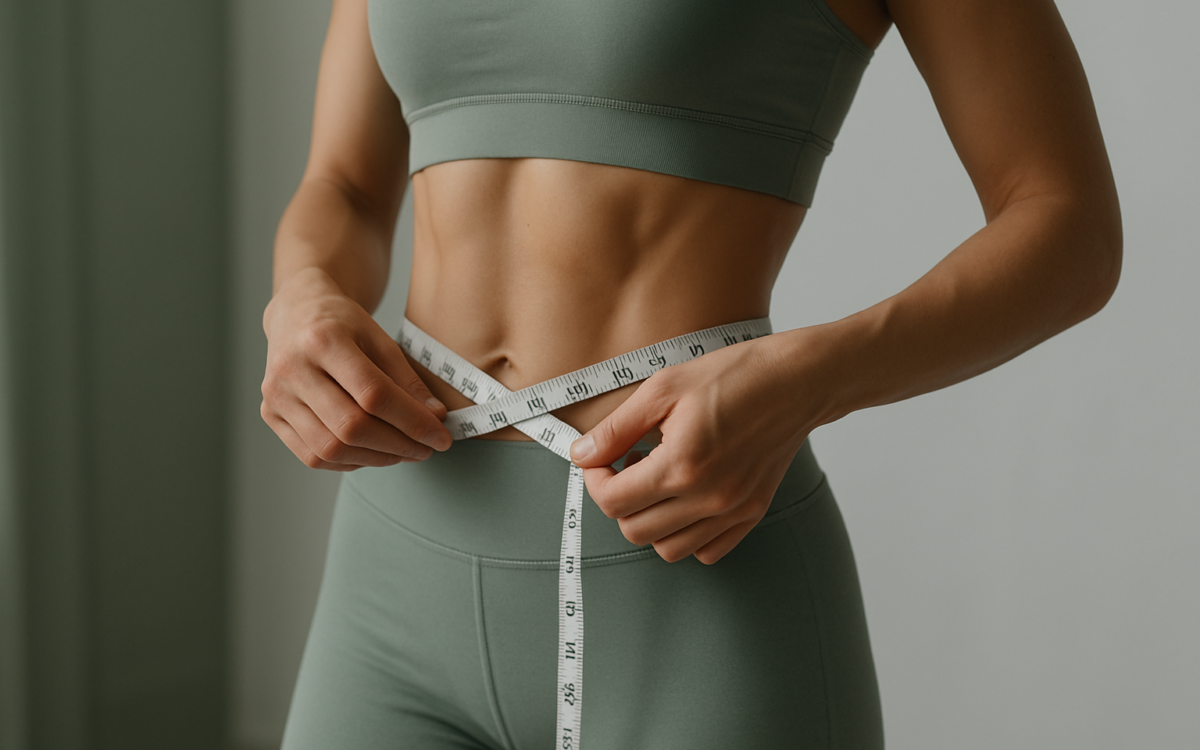
When it comes to fitness, many people focus on overall body strength and endurance, but the significance of a fit waist is often overlooked. A strong, toned waist not only contributes to a healthy appearance but also plays a vital role in maintaining balance, posture, and functional movement. In this article, we’ll explore various methods to achieve a fitness waist, emphasizing exercises, diet, and lifestyle changes that can help you reach your goals.
Understanding the Importance of a Fit Waist
A fit waist is more than just a desirable aesthetic; it’s a key indicator of your overall health. Excess fat around the waist is associated with increased risks of various health conditions, including diabetes, heart disease, and hypertension. According to the National Institutes of Health, carrying weight around the midsection can be more harmful than weight carried elsewhere due to its link with visceral fat, which surrounds your organs and can lead to serious health problems.
Effective Exercises for a Toned Waist
To sculpt a fit waist, engaging in targeted exercises is crucial. Here are some effective workouts to consider:
- Planks: This full-body exercise strengthens your core, supporting your waist muscles.
- Bicycle Crunches: This twist on traditional crunches engages multiple muscle groups, including the obliques.
- Russian Twists: A great exercise to promote rotational strength, which is essential for a strong waist.
- Leg Raises: Focusing on your lower abs, leg raises can tighten the area around your waist.
Incorporating these exercises into your weekly routine can significantly strengthen your core and help you achieve a fit waist. Aim for two to three sessions per week, giving your muscles time to recover between workouts.
Nutrition’s Role in Waist Fitness
A fit waist isn’t solely achieved through exercise; nutrition plays a vital role. To support your fitness goals, consider the following dietary strategies:
- Balanced Diet: Incorporate lean proteins, whole grains, healthy fats, and plenty of fruits and vegetables.
- Portion Control: Keeping an eye on portion sizes can help manage calorie intake, promoting fat loss.
- Stay Hydrated: Drinking enough water can prevent bloating and support your metabolism.
- Limit Processed Foods: Foods high in sugar and unhealthy fats can contribute to weight gain around the waist.
Staying informed about which foods help you achieve a fit waist can empower your dietary choices. For a more personalized approach, consider consulting professionals who specialize in nutrition, such as those found in international treatment centers like acibademinternational.com.
Lifestyle Changes to Support Waist Fitness
In addition to exercise and diet, certain lifestyle changes can greatly enhance your efforts to achieve a fit waist:
- Regular Sleep: Aim for 7-9 hours of quality sleep each night to help maintain a healthy metabolism.
- Stress Management: High stress can lead to weight gain; practice relaxation techniques like yoga or meditation.
- Avoid Smoking and Limit Alcohol: Both habits can contribute to poor health and weight gain around the waist.
Making these changes doesn’t have to be overwhelming. Focus on one or two adjustments at a time to create lasting habits.
Monitoring Progress and Setting Goals
As you embark on your journey to a fit waist, it’s crucial to track your progress and set realistic goals. Consider the following tips:
- Keep a Journal: Document your workouts, meals, and feelings to stay motivated and accountable.
- Set SMART Goals: Specific, Measurable, Achievable, Relevant, and Time-bound objectives can help maintain your focus.
- Use Technology: Fitness apps can track your physical activities and dietary intake, offering valuable insights into your progress.
Monitoring your progress can not only help you stay accountable but also celebrate small victories along the way.
When to See a Doctor
If you’re struggling to lose weight or make progress despite following a fitness routine, it may be helpful to consult a healthcare provider. They can rule out any underlying health issues or provide personalized recommendations based on your unique situation. Signs that you should see a doctor include:
- Rapid weight gain or loss without a clear reason
- Persistent fatigue, weakness, or unusual changes in appetite
- Concerns about your potential health risks related to weight
Conclusion
Achieving a fit waist is a journey that combines effective exercise, balanced nutrition, and healthy lifestyle choices. By understanding the importance of a fit waist, practicing targeted exercises, maintaining a nutritious diet, and making positive lifestyle changes, you can take significant steps toward your fitness goals. Remember that individual experiences can vary, so always consult with a healthcare professional to ensure that your approach is safe and effective.
