
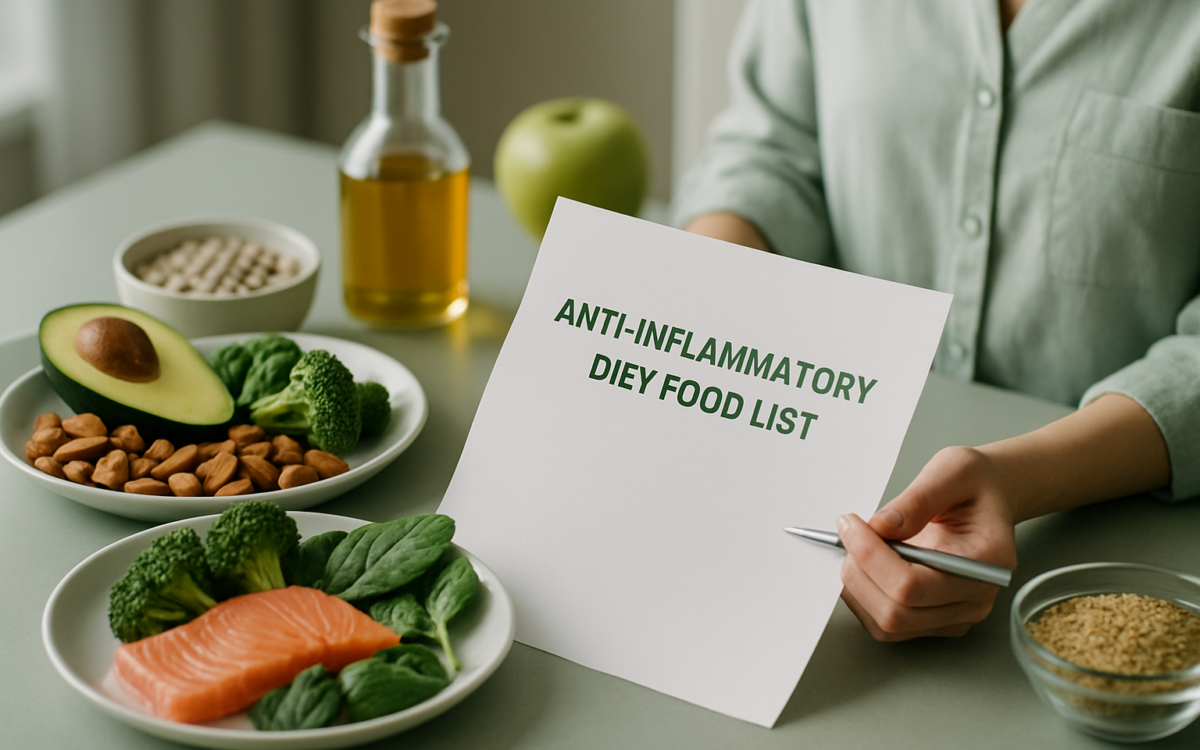
Inflammation is a natural response of the body to injury and infection. However, chronic inflammation can lead to various health issues, including heart disease, diabetes, and arthritis. One of the best ways to manage inflammation is through the foods we eat. An anti-inflammatory diet can help reduce and prevent inflammation, making it a popular choice for those looking to enhance their well-being.
What Is an Anti-Inflammatory Diet?
An anti-inflammatory diet focuses on consuming foods that can help lower inflammation levels in the body. This diet emphasizes whole, nutritious foods while limiting processed items that may trigger inflammatory responses. It is inspired by the traditional Mediterranean diet, which is rich in fruits, vegetables, whole grains, lean proteins, and healthy fats.
Foods to Include in an Anti-Inflammatory Diet
Here is a list of foods that are known for their anti-inflammatory properties:
- Fruits: Berries (blueberries, strawberries, raspberries), oranges, apples, and cherries are high in antioxidants and fiber, making them excellent choices.
- Vegetables: Leafy greens like spinach, kale, and broccoli; cruciferous vegetables such as Brussels sprouts and cauliflower; and colorful veggies like bell peppers and sweet potatoes offer a wide array of vitamins and antioxidants.
- Whole Grains: Brown rice, quinoa, barley, and whole-wheat products are rich in fiber, which helps reduce inflammation.
- Healthy Fats: Olive oil, nuts (especially walnuts and almonds), seeds (like flaxseeds and chia seeds), and fatty fish (such as salmon, mackerel, and sardines) contain omega-3 fatty acids that are known to fight inflammation.
- Legumes: Beans, lentils, and peas are rich in fiber and protein, contributing to lower levels of inflammation.
Spices and Herbs with Anti-Inflammatory Benefits
Incorporating spices and herbs into your meals not only adds flavor but also provides health benefits. Some great options include:
- Turmeric: Contains curcumin, which has potent anti-inflammatory and antioxidant properties. Adding turmeric to soups, smoothies, or stews can enhance your diet.
- Ginger: Known for its ability to soothe digestive issues, ginger also has anti-inflammatory effects. It can be used fresh, powdered, or as an infusion in tea.
- Garlic: Packed with antioxidants, garlic can help boost the immune system and reduce inflammation.
Foods to Limit or Avoid
While adding anti-inflammatory foods to your diet, it’s equally important to limit or avoid foods that can promote inflammation. These include:
- Sugar: High sugar intake from sugary beverages, sweets, and processed foods can trigger inflammation.
- Refined Carbohydrates: White bread, pastries, and other processing carbohydrates can contribute to inflammation.
- Trans Fats: Found in some margarine, processed snacks, and fried foods, trans fats can increase inflammation.
- Processed Meats: Hot dogs, bacon, and other processed meats are linked to higher inflammation levels.
- Excessive Alcohol: While moderate alcohol consumption may have some benefits, excessive drinking can lead to inflammation and other health issues.
Portion Sizes and Meal Planning
When following an anti-inflammatory diet, pay attention to portion sizes. Eating a balanced plate consisting of more vegetables, whole grains, and lean proteins can help you stay mindful of intake. Consider creating meal plans that emphasize diversity. For each meal, aim to include:
- 1-2 servings of vegetables
- 1 serving of fruit
- 1 serving of whole grains
- 1 serving of healthy fats
- A source of protein, either from plant or animal sources
By planning your meals in advance, you can ensure that you’re consistently choosing anti-inflammatory foods and avoiding less beneficial options.
Healthy Snack Options
Snacking can tempt you toward unhealthy choices, but having anti-inflammatory snacks available can help you stay on track. Some excellent snack ideas include:
- A handful of nuts (like almonds or walnuts)
- Raw veggies with hummus
- Fresh fruit or fruit salads
- Greek yogurt with berries and nuts
These options provide nourishment while also combating inflammation.
When to See a Doctor
If you experience persistent inflammation, discomfort, or other symptoms that concern you, it’s best to consult your healthcare provider. They can help evaluate your situation and suggest personal dietary changes or treatments that may be necessary.
Conclusion
Adopting an anti-inflammatory diet can be a flavorful and satisfying approach to improving overall health. By including a variety of fruits, vegetables, whole grains, healthy fats, and spices, you can help reduce inflammation and contribute to long-term well-being. As always, it’s essential to consult your healthcare provider before making significant dietary changes, especially if you have existing health concerns. For more information on inflammatory conditions and nutrition, you can explore resources from the NIH or the WHO.
