
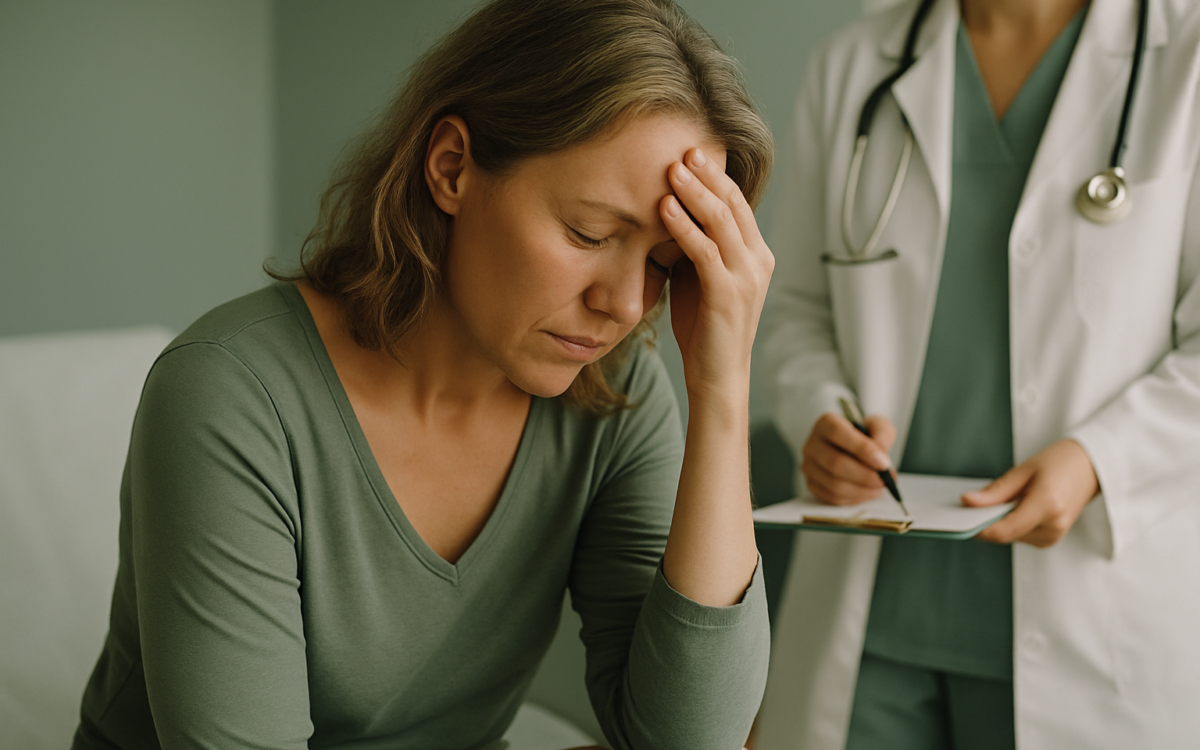
Testosterone is often thought of as a male hormone, but it plays a vital role in women’s health, too. While testosterone levels in women are much lower than in men, they are still crucial for various bodily functions. Changes in these hormone levels can lead to a range of symptoms that may be overlooked or misattributed. Understanding low testosterone symptoms in women is important for maintaining well-being and addressing any potential health issues.
What is Testosterone and Its Role in Women?
Testosterone is a steroid hormone produced in the ovaries, adrenal glands, and peripheral tissues in women. It contributes to several bodily functions, including:
- Regulating libido or sexual desire
- Supporting bone density
- Promoting muscle strength
- Influencing mood and mental clarity
Although women produce less testosterone than men, it still plays a key part in their overall health. Imbalances or low levels can lead to various symptoms that may impact a woman’s quality of life.
Common Symptoms of Low Testosterone in Women
The symptoms of low testosterone in women can be subtle and sometimes confused with other health issues. Here are some of the most common signs:
- Fatigue: Persistent fatigue or a lack of energy is one of the most reported symptoms. Women may find it challenging to manage daily tasks or feel unusually tired.
- Reduced Libido: A decreasing interest in sexual activity can be another indicator. Hormonal changes can lead to decreased arousal and intimacy issues.
- Mood Changes: Some women may experience feelings of sadness, irritability, or anxiety. These emotional fluctuations can significantly affect daily life.
- Muscle Weakness: Lower testosterone levels can contribute to reduced muscle strength and an increase in body fat, making it hard to maintain physical fitness.
- Menstrual Irregularities: Changes in menstrual cycles can occur, leading to either heavier or lighter periods.
Recognizing these symptoms is key to understanding one’s health and seeking appropriate help when needed.
Causes of Low Testosterone in Women
Low testosterone levels in women can result from various factors. These may include:
- Aging: Testosterone levels naturally decline with age. Women may start to notice changes in their 30s and beyond.
- Menopause: During menopause, hormonal changes can lead to significant drops in testosterone production, alongside estrogen shifts.
- Health Conditions: Conditions such as obesity, diabetes, or certain autoimmune disorders can affect hormone production.
- Medications: Some medications can result in lower testosterone levels. Always consult with a doctor if you suspect your medications may be affecting your hormones.
Understanding the potential causes can help in addressing the symptoms and improving overall health.
Diagnosing Low Testosterone Levels
If you suspect low testosterone levels, it is essential to consult with a healthcare provider. Diagnosis typically involves:
- A thorough medical history and discussion of symptoms
- Blood tests to measure testosterone levels
It’s essential to have blood tests done at specific times during the day, usually in the morning, as testosterone levels can fluctuate. Accurate testing helps in understanding individual hormone levels and devising a suitable treatment plan.
Treatment Options for Low Testosterone in Women
Treatment for low testosterone in women will depend on the underlying cause and the severity of symptoms. Some options may include:
- Lifestyle Changes: Improving diet, increasing physical activity, and managing stress can help boost hormone levels naturally.
- Hormone Therapy: In some cases, healthcare providers may suggest hormone replacement therapy (HRT) to help restore hormone balance.
- Medication Adjustment: If specific medications are identified as the cause of low testosterone, doctors may look for alternatives or adjust dosages.
Having open conversations with health professionals can lead you to the best possible solution tailored to individual needs.
When to See a Doctor
If you’re experiencing any symptoms associated with low testosterone, it’s important to seek medical advice. Watch for signs like:
- Persistent fatigue that disrupts your daily activities
- Noticeable changes in libido or sexual function
- Unexplained mood changes or emotional difficulties
- Changes in physical health, such as muscle weakness or weight changes
Consult with a healthcare provider who can help rule out other underlying conditions and determine the right course of action for your health.
Conclusion
Low testosterone symptoms in women can be a significant health concern that should not be dismissed. Understanding these symptoms and their potential causes can empower women to seek help and improve their quality of life. With appropriate diagnosis and treatment options available, women can address hormone imbalances and regain their vitality and well-being.
For more information, visit reputable sources like the NIH or the Mayo Clinic for further insights into hormonal health and management.
