
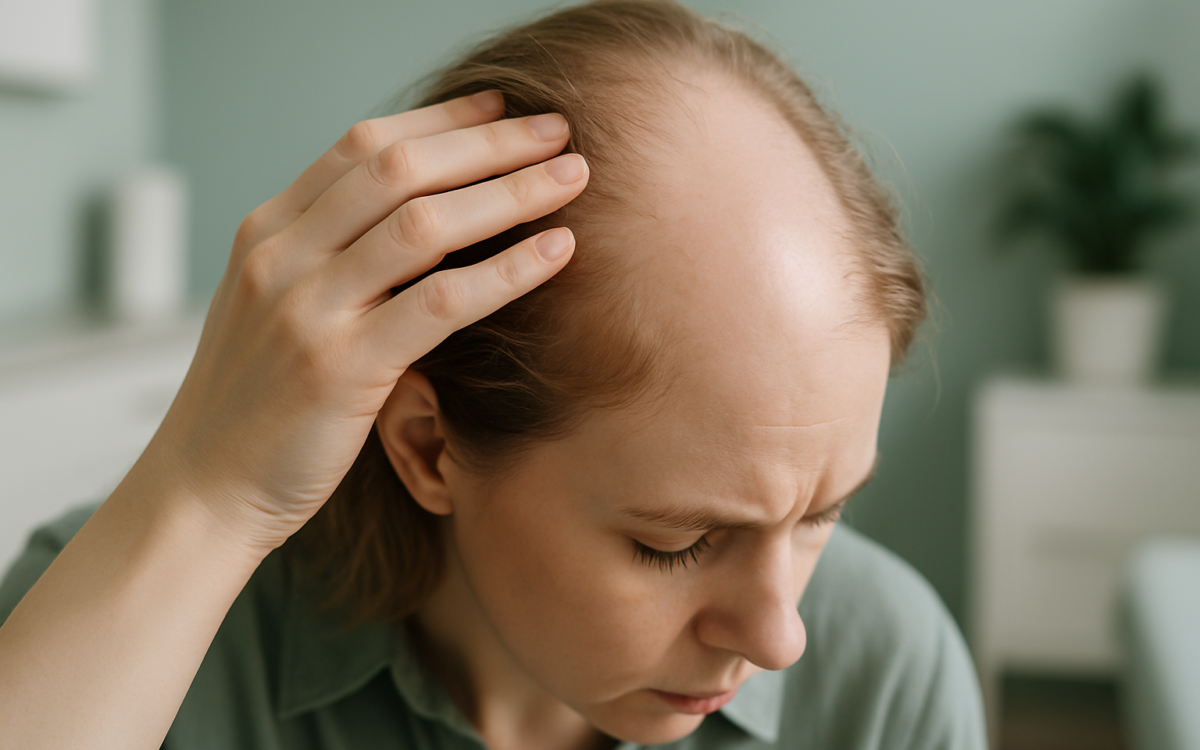
Baldness typically brings to mind images of men losing their hair. However, many women experience similar types of hair loss due to a condition known as androgenetic alopecia, or male-pattern baldness. This condition can be emotionally challenging and confusing for women as it is often perceived as a male-only issue. In this article, we will delve into the underlying causes of this type of hair loss in women, its symptoms, potential treatments, and when to seek medical help.
What is male-pattern baldness in women?
Male-pattern baldness in women, commonly referred to as female-pattern hair loss, is characterized by a gradual thinning of hair, typically beginning at the crown or parting of the hair. This gradual loss can lead to noticeable thinning of hair across the scalp, which can be distressing for those affected. Unlike the typical baldness pattern in men, women may not experience complete baldness but rather a general thinning across the whole scalp.
Causes of male-pattern baldness in women
The primary cause of male-pattern baldness in women is hereditary factors. Genetics play a significant role in predisposing women to hair loss associated with androgenetic alopecia. Hormonal changes, particularly fluctuations in androgens (male hormones found in both genders), also contribute to this condition.
- Genetic Predisposition: If family members have experienced hair loss, women may be more likely to develop similar patterns.
- Hormonal Changes: Pregnancy, menopause, or conditions like polycystic ovary syndrome (PCOS) can trigger changes in hormone levels that promote hair thinning.
- Medical Conditions: Conditions such as thyroid disease, iron deficiency anemia, and lupus may exacerbate hair loss.
Symptoms and signs
The most common symptom of male-pattern baldness in women is hair thinning. This can be assessed through several observable signs:
- Widening of the part line in the hair.
- Thinning on the top and crown of the scalp.
- Hair loss that follows a certain pattern, typically an M-shape.
- Overall decrease in hair fullness.
For many women, the emotional impact of hair loss can be significant. Feelings of self-consciousness or anxiety may arise, affecting their overall quality of life.
Treatments and management options
While there is no one-size-fits-all solution for treating male-pattern baldness in women, various options can help manage symptoms and promote hair health. These options range from over-the-counter treatments to more advanced medical interventions.
Medications
Two primary medications are often recommended for women experiencing hair loss:
- Minoxidil: Available over the counter, this topical solution is applied directly to the scalp and can help stimulate hair growth in some women.
- Spironolactone: This prescription medication can help reduce androgen levels in the body, thereby mitigating hair loss.
Hair restoration treatments
For more severe cases, women may consider surgical options, such as hair transplants. These procedures involve relocating hair follicles from areas of healthy growth to balding areas.
Lifestyle modifications
Making simple lifestyle changes can also promote healthy hair. These include:
- Eating a balanced diet rich in vitamins and minerals.
- Managing stress through physical activity, meditation, or yoga.
- Avoiding harsh hair treatments and minimizing heat styling.
Understanding the emotional impact
The emotional toll of male-pattern baldness in women can be significant. Many may struggle with feelings of embarrassment or low self-esteem due to the stigma surrounding hair loss. It’s essential to acknowledge these feelings and seek support where necessary. Counseling or support groups can help women cope with these emotions, allowing them to process their experiences and find community among others facing similar challenges.
When to see a doctor
If you are experiencing significant hair loss or thinning that is bothering you, it may be worth consulting a healthcare provider or dermatologist. Seeking medical advice is particularly important if hair loss is sudden, accompanied by other symptoms, or affecting your quality of life. A healthcare professional can provide a proper diagnosis and discuss potential treatment options tailored to your needs.
For more information on hair loss and its implications, visit trusted health sources like the Mayo Clinic or the National Institutes of Health.
Understanding male-pattern baldness in women requires awareness and compassion. A proactive approach—grounded in knowledge and support—can empower women to address their hair loss with dignity and confidence.
