
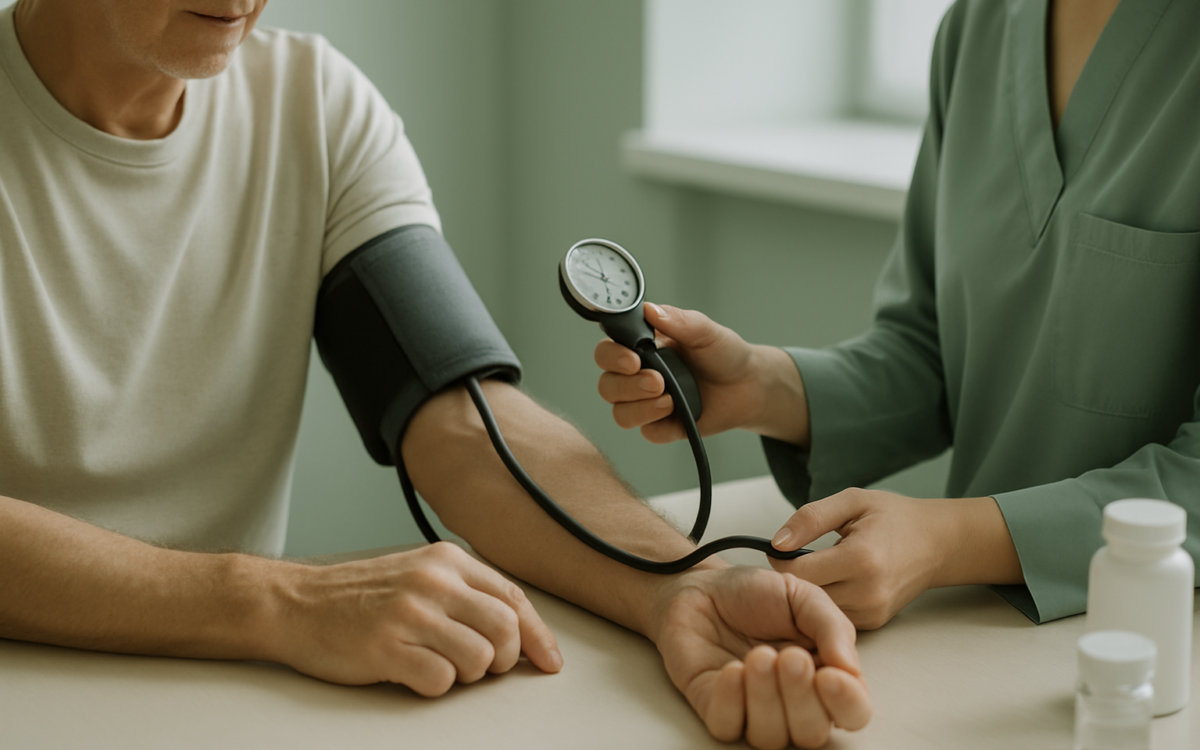
Hypertension disease, commonly known as high blood pressure, affects millions of people worldwide. It’s often nicknamed the “silent killer” because it may not show any noticeable symptoms until significant damage has occurred. Understanding the causes of hypertension is vital for effective management and prevention.
What is Hypertension?
Hypertension is a condition in which the force of the blood against your artery walls is consistently too high. Blood pressure levels are measured in millimeters of mercury (mmHg) and are given as two numbers: systolic (the pressure when your heart beats) and diastolic (the pressure when your heart rests between beats). A normal blood pressure reading is usually around 120/80 mmHg. Hypertension is generally classified as follows:
- Stage 1: 130-139 systolic or 80-89 diastolic
- Stage 2: 140 or higher systolic or 90 or higher diastolic
- Hypertensive crisis: Higher than 180 systolic and/or higher than 120 diastolic
Primary vs. Secondary Hypertension
Hypertension is categorized into two types: primary (essential) hypertension and secondary hypertension.
Primary Hypertension
This type accounts for about 90-95% of all hypertension cases. It doesn’t have a definitive cause but develops gradually over many years. Several contributing factors can increase the risk of primary hypertension:
- Genetics: Family history plays a significant role. If your parents had high blood pressure, you may be more likely to develop it.
- Age: Blood pressure tends to rise as you age, particularly after age 45.
- Ethnic background: Certain groups, such as African Americans, are at higher risk.
- Lifestyle factors: Poor diet, lack of physical activity, obesity, and excessive alcohol consumption can contribute to the risk.
Secondary Hypertension
This type is more rare and is usually caused by another medical condition. Some common causes of secondary hypertension include:
- Kidney disease: Conditions affecting the kidneys can lead to increased blood pressure.
- Hormonal disorders: Problems with hormones, such as those from your adrenal glands, can affect blood pressure regulation.
- Sleep apnea: This condition, in which breathing is interrupted during sleep, can lead to increased blood pressure.
- Medications: Certain over-the-counter and prescription drugs, including some pain relievers and decongestants, can raise blood pressure.
Lifestyle Factors Contributing to Hypertension
While genetics and underlying medical conditions can significantly impact blood pressure, lifestyle choices are also critical in managing hypertension. Some of the most significant lifestyle-related causes include:
- Diet: A diet high in sodium (salt) can cause your body to retain water, leading to higher blood pressure. Conversely, a diet rich in fruits, vegetables, and whole grains may help lower blood pressure.
- Physical inactivity: Lack of regular exercise is linked to obesity and hypertension. Engaging in regular physical activity can help control weight and lower blood pressure.
- Obesity: Excess body weight strains your heart and increases the likelihood of hypertension.
- Alcohol and tobacco use: Consuming excessive alcohol or using tobacco products can both contribute to high blood pressure.
International Perspectives on Hypertension Treatment
Understanding causes is essential, but management and treatment are equally critical. In some countries, like Turkey, advanced treatment options for hypertension are available. For example, local healthcare facilities can provide tailored treatment strategies. If you’re considering exploring treatment in Turkey, you might find innovative solutions that fit your health needs.
Complications of Hypertension
Left untreated, hypertension can lead to severe health complications, including:
- Heart disease: Hypertension increases the workload on the heart, which can cause heart failure.
- Stroke: High blood pressure can damage blood vessels in the brain and increase the risk of stroke.
- Kidney damage: Hypertension can damage kidneys’ blood vessels, leading to kidney disease or failure.
- Vision loss: Increased blood pressure can damage the blood vessels in your eyes, affecting your vision.
When to See a Doctor
If you suspect you may have high blood pressure or if you have risk factors, it is essential to consult a healthcare provider. Regular check-ups can help monitor your blood pressure and assess your overall health. If you experience severe headache, vision changes, shortness of breath, or chest pain, seek immediate medical attention.
Conclusion
Hypertension disease can arise from a mix of genetic and lifestyle factors. Becoming aware of these causes is a crucial step in effectively managing blood pressure levels. By making informed lifestyle choices and consulting your healthcare provider, you can decrease your risk of developing hypertension and its related complications.
