
Diabetes is a chronic condition that affects how your body processes sugar, or glucose, for energy. Monitoring sugar levels is essential for people living with diabetes, as it helps manage their condition and prevent complications. But what do sugar levels actually mean and what should they be for someone with diabetes? This article explores the normal ranges for blood sugar levels, the differences between types of diabetes, and how to monitor them effectively.
What are the normal sugar levels?
The normal range for blood sugar levels varies depending on when you measure it. Generally, the following guidelines are used:
- Fasting blood sugar (upon waking): 70-100 mg/dL
- Random blood sugar (any time of day): Less than 200 mg/dL
- Two hours after a meal: Less than 140 mg/dL
For individuals diagnosed with diabetes, blood sugar levels may be higher. According to the American Diabetes Association, the target for most adults is typically between 80-130 mg/dL before meals and less than 180 mg/dL two hours after eating. These levels may be adjusted based on individual health circumstances and doctor recommendations.
Why is monitoring sugar levels important?
Regularly monitoring blood sugar levels helps people with diabetes manage their condition and reduce the risk of complications. Maintaining blood sugar within target ranges can help prevent both short-term and long-term complications such as:
- Hypoglycemia: Low blood sugar, causing symptoms such as dizziness, confusion, and palpitations.
- Hyperglycemia: High blood sugar, which can lead to serious conditions like diabetic ketoacidosis or hyperglycemic hyperosmolar state.
- Cognitive decline: Chronic high sugar levels may impact brain function over time.
Additionally, monitoring can assist healthcare providers in making necessary adjustments to treatment plans, ensuring the best care possible.
Types of diabetes and their effect on sugar levels
Understanding the different types of diabetes is essential, as they each have distinct effects on blood sugar levels:
- Type 1 diabetes: This autoimmune condition typically appears in childhood or young adulthood and occurs when the pancreas produces little or no insulin. Individuals with type 1 diabetes frequently monitor sugar levels as they must inject insulin to manage their blood sugar.
- Type 2 diabetes: More common than type 1, this form of diabetes is often linked with obesity and older age. It occurs when the body becomes resistant to insulin or does not produce enough. Type 2 diabetics may manage their condition through lifestyle changes, oral medications, and sometimes insulin.
- Gestational diabetes: This type occurs during pregnancy and usually goes away after giving birth. However, it can increase the risk of diabetes in the future.
Each type requires different management methods, so understanding one’s own condition is key to maintaining optimal sugar levels.
How to monitor your sugar levels effectively
Monitoring blood sugar levels can be done in several ways:
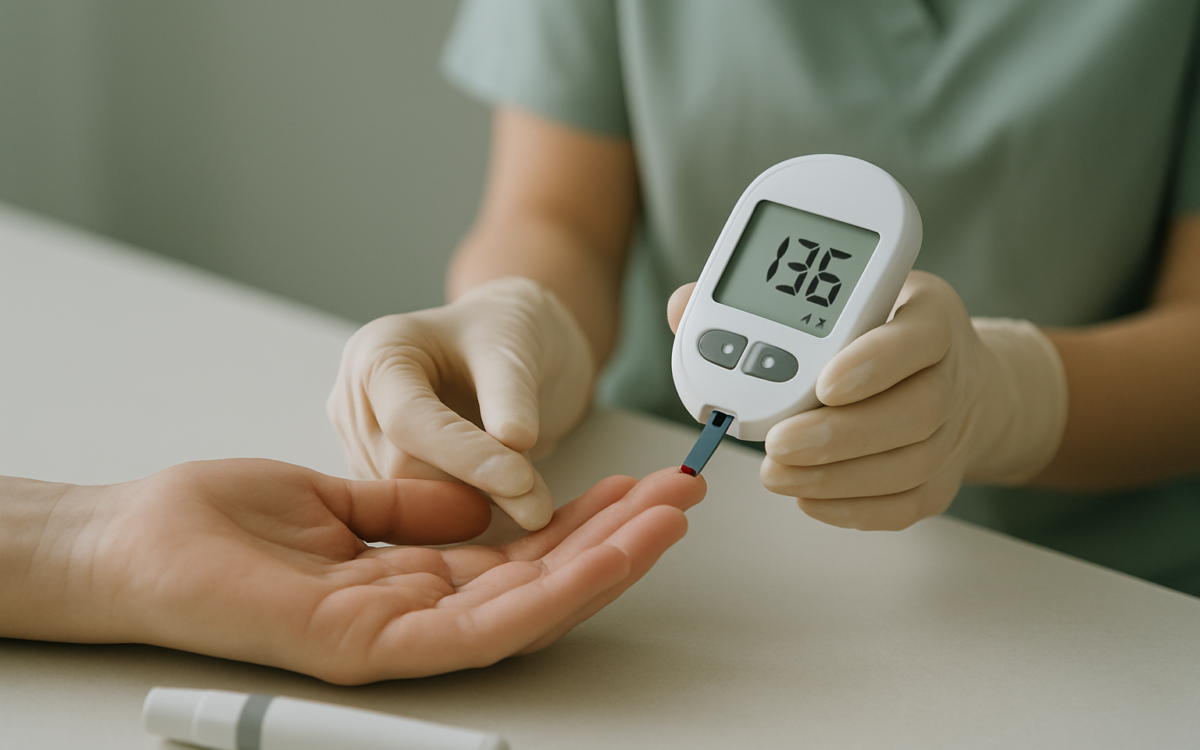
- Self-monitoring: Using a glucometer, individuals can check their blood sugar levels at home. This method is quick and allows for immediate adjustments to diet and activity levels.
- Continuous glucose monitoring (CGM): This technology involves a small sensor inserted under the skin that tracks blood sugar levels continuously. It sends data to a device, providing real-time information and alerts for highs or lows.
- A1C tests: Conducted by a healthcare professional, this test measures average blood sugar levels over the past two to three months, providing a broader picture of glucose control.
Staying consistent with monitoring can empower individuals to make informed decisions about their health, including diet and exercise.
International perspectives on diabetes treatment
Diabetes management strategies can vary greatly around the world. In some countries, traditional diets and lifestyles are incorporated into treatment plans, while advanced technology, such as continuous glucose monitors, has gained popularity in others. Facilities like Acibadem International in Turkey offer innovative approaches that blend traditional methods with modern medical practices to provide holistic care for diabetic patients. It’s always beneficial to explore treatment options that fit unique healthcare needs.
When to see a doctor
It’s essential to consult a healthcare provider if you experience symptoms of high or low blood sugar, such as:
- Persistent fatigue
- Extreme thirst or hunger
- Frequent urination
- Blurred vision
- Dizziness or lightheadedness
Regular check-ups can help track your progress and modify your treatment as needed, ensuring optimal management of diabetes.
Understanding what blood sugar levels mean and how to manage them effectively is crucial for living well with diabetes. With proper knowledge, monitoring, and medical support, individuals with diabetes can lead active and healthy lives.
