
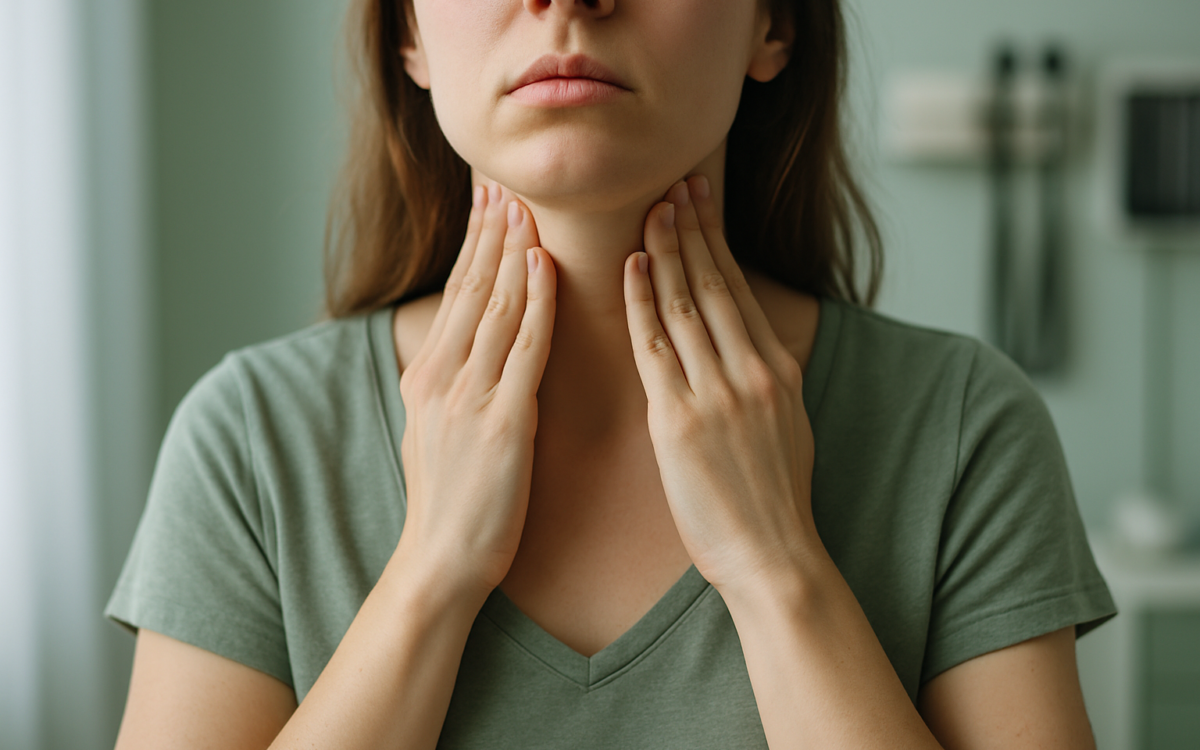
Hyperthyroidism is a condition that occurs when the thyroid gland produces too much thyroid hormone. This hormonal imbalance can lead to various symptoms that might differ between individuals, and it’s essential to recognize these signs, especially in women. Women are at a higher risk of developing hyperthyroidism, making awareness of the symptoms crucial for early detection and treatment.
What Is Hyperthyroidism?
To understand hyperthyroidism, it’s important to know the role of the thyroid gland. This small, butterfly-shaped gland in your neck regulates many bodily functions by producing hormones that control metabolism, heart rate, and energy levels. When the thyroid is overactive, it can lead to significant changes in how your body functions.
Common Symptoms of Hyperthyroidism in Females
While hyperthyroidism can affect anyone, certain symptoms are more commonly reported in females. Recognizing these symptoms early can help in seeking timely medical advice.
1. Increased Heart Rate and Palpitations
One of the most noticeable symptoms of hyperthyroidism is an increased heart rate or palpitations. You may feel your heart racing even when you are at rest, or experience a sensation like your heart is fluttering. This can be unsettling and is often one of the first signs women notice.
2. Weight Changes
Women with hyperthyroidism may experience weight loss despite having an increased appetite. This paradox can be confusing, as your body is burning energy at a faster rate than usual. Conversely, some women may experience weight gain if the condition is prolonged without treatment.
3. Mood Swings and Anxiety
Changes in mood are common with hyperthyroidism. You might feel more anxious, irritable, or even experience mood swings. The surge of thyroid hormones can affect your mental well-being, leading to symptoms akin to anxiety disorders.
4. Changes in Menstrual Cycle
Hyperthyroidism can affect reproductive health. Many women notice alterations in their menstrual cycles, which may include lighter or less frequent periods. Some might even stop menstruating altogether if hyperthyroidism remains untreated for an extended period.
5. Heat Intolerance and Sweating
Feeling overly warm or experiencing excessive sweating is another symptom of hyperthyroidism. You may notice that you can’t tolerate heat like you used to, or you might sweat more than usual even without physical activity. This can lead to discomfort and social anxiety.
Other Symptoms to Watch For
Beyond the common symptoms discussed, there are other signs that may indicate hyperthyroidism:
- Fatigue: Despite feeling energetic at times due to the increased metabolism, fatigue and muscle weakness can also manifest.
- Sleep Disturbances: Difficulty sleeping or insomnia is frequently reported by those with hyperthyroidism.
- Hair and Skin Changes: Changes in hair texture or increased thinning of hair, and skin that feels warm and moist can be additional signs.
- Goiter: A noticeable swelling at the base of the neck may occur, known as a goiter, which is an enlargement of the thyroid gland.
How Hyperthyroidism Is Diagnosed
Diagnosis typically involves a combination of physical examination, symptom evaluation, and blood tests to measure thyroid hormone levels. Healthcare providers may check levels of TSH (thyroid-stimulating hormone), T3, and T4 (thyroid hormones) to assess thyroid function. For detailed information, you can visit the Mayo Clinic.
Treatment Options for Hyperthyroidism
Treatment for hyperthyroidism in females varies depending on the severity of the condition and the underlying cause. Options may include:
- Medications: Anti-thyroid medications can help reduce hormone production.
- Radioactive Iodine: This treatment can destroy overactive thyroid cells, leading to a reduction in hormone production.
- Thyroid Surgery: In some cases, surgical removal of part or all of the thyroid may be necessary.
When to See a Doctor
If you experience any combination of the symptoms mentioned above, it is essential to consult a healthcare professional. Early diagnosis and treatment can help manage the condition effectively and prevent complications.
Conclusion
Hyperthyroidism can significantly affect women’s health, highlighting the importance of recognizing symptoms early. Increasing awareness of these signs allows for timely medical evaluation, which is crucial for maintaining overall health and well-being. If you suspect that you or someone you know may be experiencing symptoms of hyperthyroidism, don’t hesitate to reach out to a healthcare provider for further evaluation and guidance.
