
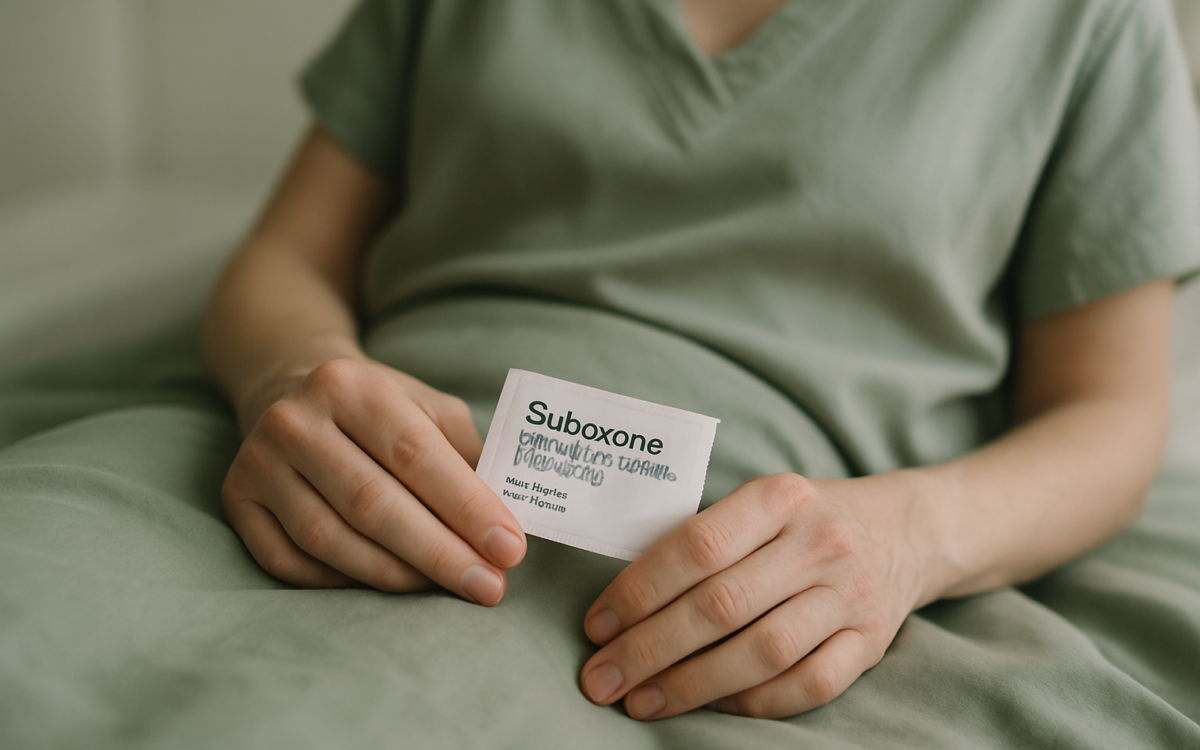
Suboxone is a medication often prescribed to help individuals struggling with opioid use disorder. Comprised of two active ingredients, buprenorphine and naloxone, Suboxone works by reducing cravings and withdrawal symptoms while preventing misuse. However, like any medication, it can come with side effects. In this article, we’ll dive into both common and less common side effects of Suboxone to help you better understand what to expect during your treatment.
Understanding Suboxone
Suboxone is a combination of buprenorphine, a partial opioid agonist, and naloxone, an opioid antagonist. This unique formulation allows for effective management of opioid dependence while minimizing the risk of potential misuse. It’s often used as part of a comprehensive treatment plan that includes counseling and support. Understanding the mechanism of action helps you appreciate both its benefits and the potential side effects.
Common Side Effects of Suboxone
Many people taking Suboxone experience some mild side effects. The most common ones include:
- Headache: Many users report headaches, particularly during the early stages of treatment.
- Nausea: Some may experience feelings of nausea or gastrointestinal upset.
- Fatigue: A sense of tiredness or lethargy can occur as the body adjusts.
- Constipation: This is a common issue with many medications that affect the opioid receptors in the brain.
These side effects, while uncomfortable, often decrease over time. Regular check-ins with your healthcare provider can help monitor any persistent issues.
Less Common Side Effects
While common side effects tend to resolve, some individuals may experience less common but potentially serious side effects:
- Respiratory Issues: Suboxone can depress respiration. If someone notices unusual breathing patterns or difficulties, they should seek immediate medical attention.
- Allergic Reactions: Although rare, symptoms like rash, itching, or swelling should not be ignored.
- Withdrawal Symptoms: Some may experience symptoms of withdrawal if Suboxone is stopped abruptly or if a dose is missed.
- Changes in Mood: Users have reported mood swings, anxiety, or depression, which should be discussed with a provider.
Awareness of these side effects is crucial for managing your treatment effectively. If any of these occur, follow up with your healthcare provider.
Side Effects and Your Lifestyle
Your lifestyle can be impacted significantly by the side effects of Suboxone. For instance, fatigue and constipation may hinder daily activities. To manage these issues effectively, consider the following:
- Stay Active: Regular physical activity can combat fatigue and improve overall well-being.
- Hydration and Diet: Ensuring that you are well-hydrated and eating a balanced diet can help alleviate gastrointestinal issues like constipation.
- Open Communication: Always communicate any changes in your health or side effects with your healthcare provider.
If you are considering international treatment options for opioid addiction, facilities offering international patient services can provide another layer of support and resources.
Monitor Long-Term Effects
Long-term use of Suboxone can lead to its own set of concerns. Some studies note potential impacts such as:
- Liver Health: Buprenorphine can affect liver function, particularly in those with preexisting liver conditions.
- Dependence: Even with controlled use, there is a risk of developing a dependence on Suboxone itself.
Because of these risks, ongoing monitoring by a healthcare professional is vital for anyone on long-term Suboxone therapy.
Conclusion
Understanding the side effects of Suboxone is an essential part of treatment for opioid use disorder. While many individuals will only experience mild side effects, it is crucial to remain vigilant about any changes in your health and maintain open communication with your healthcare providers. This approach not only enhances your treatment efficacy but also ensures a more comfortable recovery journey. Always consult your doctor to discuss any concerns or persistent side effects you may experience.
When to See a Doctor
If you experience severe side effects such as difficulty breathing, signs of an allergic reaction, or symptoms of withdrawal, contact your healthcare provider immediately. Early intervention can prevent more serious complications and support your recovery journey.
