
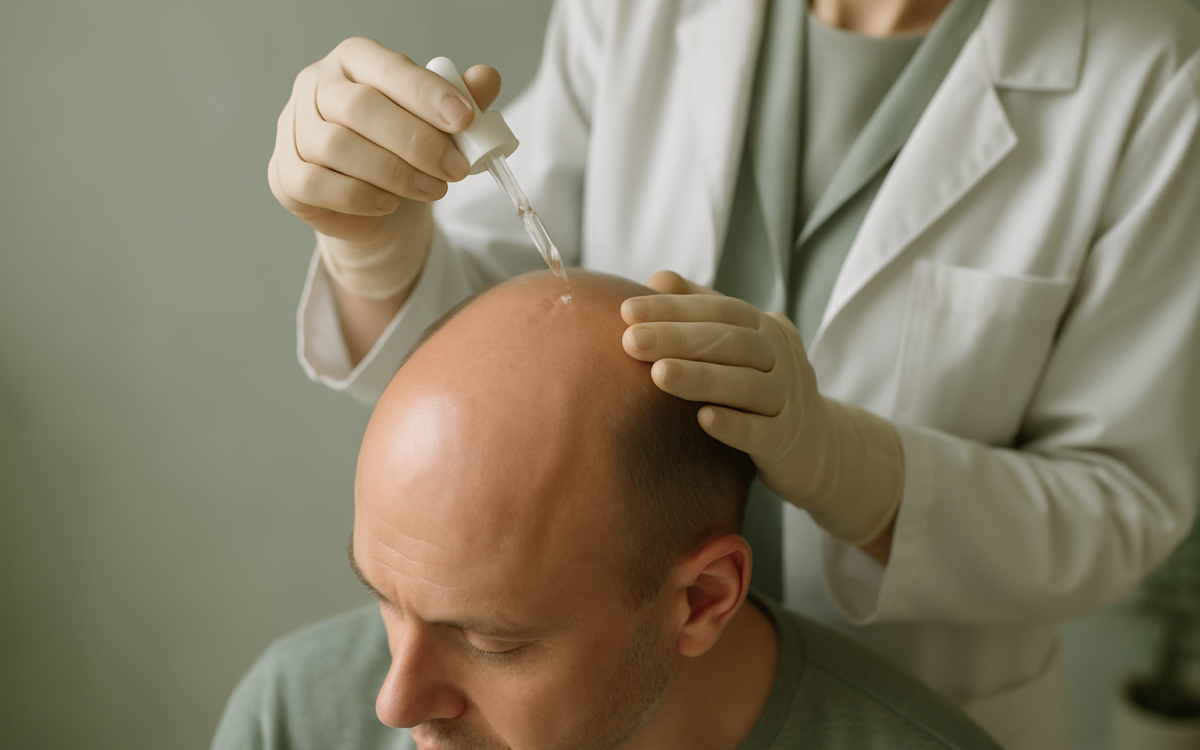
Experiencing hair loss can be a challenging journey for men. Whether it’s a slight thinning of hair or a noticeable bald spot, figuring out the best course of action can often feel overwhelming. Luckily, there are numerous treatment options available today that can help, ranging from medical solutions to lifestyle changes. This article will explore various men’s baldness treatment options, allowing you to make an informed decision that suits your needs.
Understanding Male Pattern Baldness
Male pattern baldness, also known as androgenetic alopecia, is a common condition affecting up to 70% of men at some point in their lives. It typically begins with a receding hairline or thinning crown and can lead to complete baldness over time. It is largely influenced by genetics and hormonal changes, particularly the hormone dihydrotestosterone (DHT). Understanding the cause behind your baldness is the first step in determining the best treatment.
Over-the-Counter Treatments
Several over-the-counter (OTC) products may help slow down hair loss and promote regrowth. Among the most popular options are:
- Minoxidil: This topical solution or foam is applied directly to the scalp. Research shows that it can stimulate hair growth in some men by enhancing blood flow to hair follicles. You can find minoxidil at most pharmacies and online.
- Hair thickening shampoos: Various shampoos claim to thicken hair strands, making hair appear fuller. While these may provide a temporary improvement, they do not treat underlying hair loss.
Although many men experience positive results with minoxidil, it is essential to note that it requires continuous use for effectiveness. Stopping treatment can lead to hair loss resuming.
Prescription Medications
If OTC treatments do not provide sufficient results, prescription medications may be an option. Two common prescription treatments include:
- Finasteride: This oral medication works by inhibiting the production of DHT, which can contribute to hair loss in men. Studies indicate that finasteride can slow hair loss and promote regrowth for many.
- Low-level laser therapy (LLLT): Some healthcare providers may recommend LLLT, a non-invasive procedure using laser technology to stimulate hair follicles.
It’s important to talk with a healthcare professional before starting any new medication, as there can be potential side effects.
Hair Transplant Surgery
If you’re looking for a more permanent solution, hair transplant surgery might be an option. In this procedure, hair follicles are taken from an area of the scalp with dense hair and transplanted to the thinning or bald areas. There are two main types of hair transplant techniques:
- Follicular Unit Transplantation (FUT): This method involves removing a strip of scalp and dissecting it into hair follicles for transplantation.
- Follicular Unit Extraction (FUE): This technique involves individually extracting hair follicles and transplanting them to the thinning area.
Both methods have their pros and cons, and results can vary. Consult with a board-certified dermatologist or plastic surgeon specializing in hair restoration for a personalized assessment.
Lifestyle Changes for Healthy Hair
In addition to medical treatments, certain lifestyle changes can promote scalp health and potentially mitigate hair loss:
- Maintain a balanced diet: Eating a diet rich in vitamins, minerals, and proteins can support hair health. Foods like eggs, nuts, fish, and leafy greens can be especially beneficial.
- Manage stress: Chronic stress can impact hair health. Techniques such as yoga, meditation, or regular exercise can help manage stress levels.
- Avoid harsh hair treatments: Limit the use of harsh chemicals, excessive heat, or tight hairstyles that could further stress hair follicles.
While lifestyle adjustments alone may not reverse hair loss, they can create a healthier environment for existing hair and possibly improve your overall confidence.
When to See a Doctor
If you are experiencing significant hair loss or if you are concerned about your hair thinning, consulting a healthcare professional is a wise choice. They can help determine the underlying cause and suggest appropriate treatment options based on your specific needs. Additionally, if you notice sudden or patchy hair loss, it may be a sign of an underlying condition that requires medical attention. According to the National Institutes of Health (NIH), seeking help early can lead to better results.
Conclusion
Baldness can feel distressing for many men, but there are multiple treatment options available. From OTC solutions to surgical procedures, finding the right approach may take time and research. Remember that the effectiveness of these treatments can vary widely from person to person. Consider discussing your options with a healthcare professional to select a plan that’s right for you. Embrace the journey ahead and take steps toward a full head of hair or accept and be confident in your unique look!
